


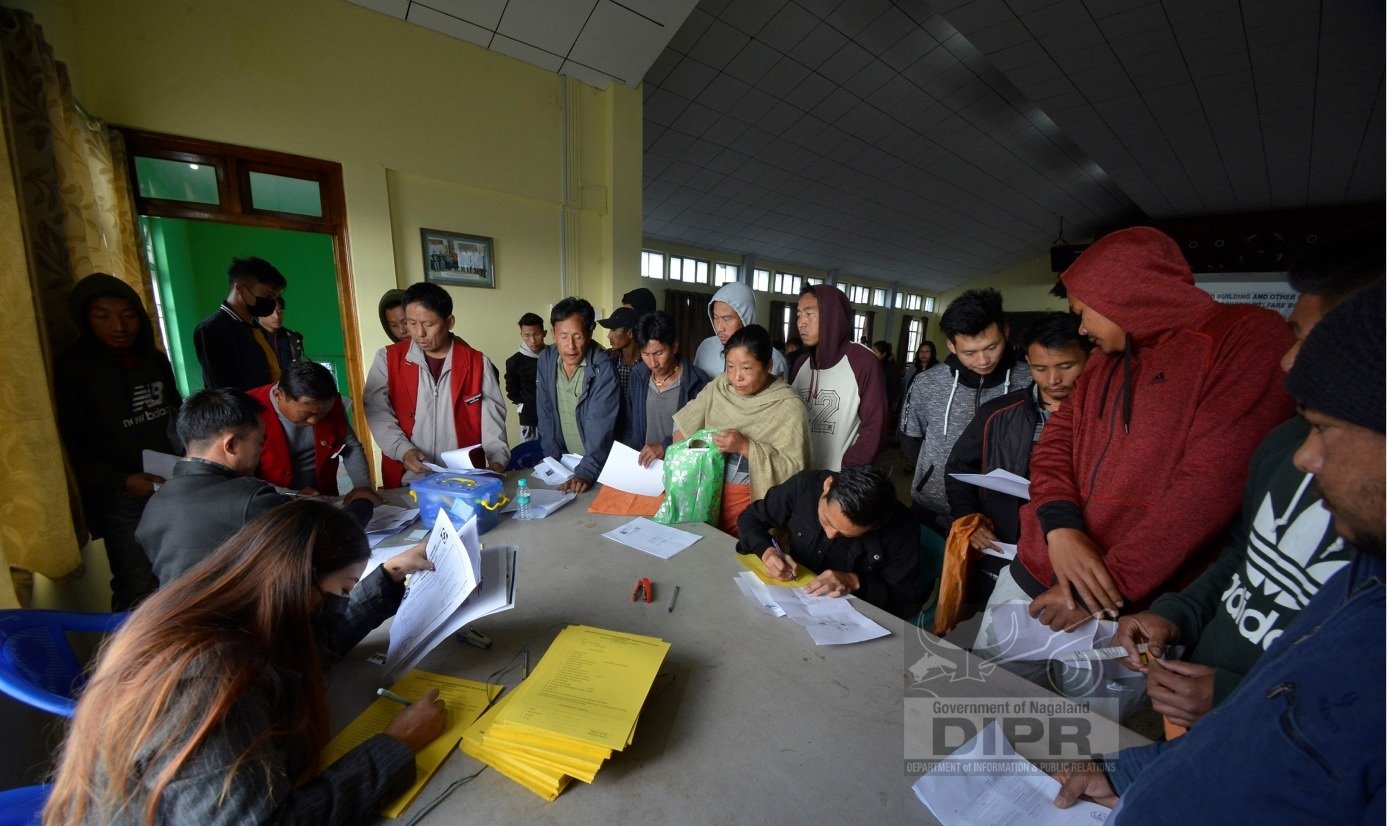
The rollout of a major governance initiative has begun as Nagaland Jan Bhagidari Abhiyan becomes a key public welfare development following its launch in Kohima on 22 May. The central government-backed programme aims to strengthen last-mile delivery of civic services and improve direct citizen participation in governance. Officials stated that the initiative focuses on ensuring that welfare schemes reach eligible beneficiaries more efficiently through coordinated administrative outreach.
Assam UCC Debate Gains Legal Momentum
Bhutan PM Guwahati Visit Strengthens Ties
Background
Public participation-based governance models have increasingly become central to welfare delivery systems across India. These initiatives emphasize direct engagement between citizens and administrative institutions to improve transparency and accessibility.
In this context, Nagaland Jan Bhagidari Abhiyan reflects a structured effort to deepen citizen involvement in governance processes. The programme builds on earlier outreach models that focus on grievance redressal, beneficiary verification, and service delivery at the grassroots level.
Over time, such initiatives have helped bridge gaps between policy design and field-level implementation.
Current Update
On 22 May, the Jan Bhagidari Abhiyan was officially launched in Kohima, Nagaland. The programme was introduced as part of a broader national effort to enhance public service delivery and strengthen community participation in governance.
The Nagaland Jan Bhagidari Abhiyan is designed to improve coordination between government departments and local communities. Officials stated that the initiative will focus on identifying gaps in service delivery and ensuring timely access to welfare schemes.
Administrative teams have been deployed to facilitate outreach activities and monitor implementation progress.
Key Details
The initiative includes community engagement programmes, grievance redressal camps, and awareness drives aimed at improving access to government services. It also emphasizes real-time feedback from citizens to improve administrative responsiveness.
The significance of the Nagaland Jan Bhagidari Abhiyan lies in its focus on participatory governance and improved delivery efficiency. By involving citizens directly, the programme aims to strengthen accountability and reduce service delivery delays.
Experts note that such models can significantly improve welfare outcomes when implemented consistently at the grassroots level.
Impact and Public Significance
The programme is expected to improve access to welfare schemes, particularly in remote and rural areas of Nagaland. It also encourages stronger interaction between citizens and administrative officials.
From a governance perspective, Nagaland Jan Bhagidari Abhiyan highlights the importance of citizen-centric policy implementation and decentralized service delivery. It also reinforces efforts to make governance more transparent and responsive.
Public response is expected to focus on improved accessibility and efficiency of government services.
What Happens Next
Authorities are expected to continue outreach activities across districts in Nagaland, with regular monitoring of implementation progress. Feedback collected during the programme may be used to refine service delivery mechanisms.
Future phases may include expanded coverage, digital integration of grievance systems, and enhanced inter-departmental coordination. The long-term success of the Nagaland Jan Bhagidari Abhiyan will depend on sustained engagement and effective execution.
Conclusion
The launch of the Jan Bhagidari Abhiyan in Kohima marks a step forward in participatory governance efforts in Nagaland. As implementation expands, Nagaland Jan Bhagidari Abhiyan reflects a broader push toward citizen-focused service delivery and improved administrative responsiveness.
FAQs
1. What is the Nagaland Jan Bhagidari Outreach Drive?
The initiative is a public welfare outreach programme designed to improve last-mile delivery of government services and benefits.
2. Where was the programme launched?
The outreach drive was launched in Kohima as part of efforts to expand citizen access to welfare initiatives.
3. What is the main objective of the campaign?
The programme aims to strengthen public participation and improve access to government schemes and civic services.
4. Who benefits from the outreach initiative?
Residents, especially communities requiring greater access to welfare and administrative services, are expected to benefit.
5. Why is Jan Bhagidari important?
The initiative supports citizen engagement and helps improve transparency and efficiency in public service delivery.
6. What could happen in the next phase?
Authorities may expand outreach activities, strengthen service access, and continue monitoring implementation progress.