


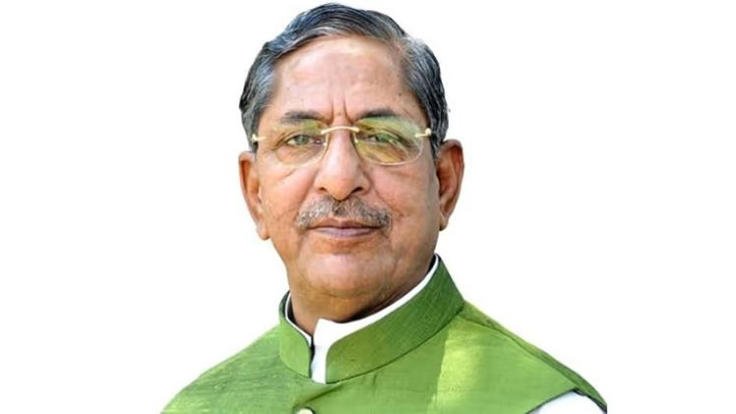
Nagaland Governor Nand Kishore Yadav has called for disability services to extend beyond state and district headquarters and reach villages across the state, emphasising that persons with disabilities must have equal access to healthcare, education, employment and public services.
Addressing the 100th Regional Parents’ Meet 2026 organised by the Nagaland Parents Association for the Disabled (NAPAD) at RCEMPA, Kohima, on October 1, the Governor stressed the need to move from providing care and sympathy towards empowerment, independence and equal participation.
The gathering was held under the theme, “From Care to Empowerment: Building Inclusive Communities through Strong Families and Collective Action.”
Governor Calls for Decentralised Disability Services
Highlighting Nagaland’s difficult terrain and scattered settlements, Yadav said geographical barriers often make it difficult for families in remote areas to access specialised healthcare, rehabilitation, assistive devices and inclusive education.
He called for decentralised and innovative approaches to bring these services closer to communities.
The Governor also highlighted the role of technology, tele-consultation and stronger coordination among district administrations, communities and specialised institutions in bridging geographical gaps.
He stressed that inclusion should become a reality in every village rather than remain concentrated in urban centres and administrative headquarters.
Early Identification and Inclusive Education
Yadav underlined the importance of early identification and intervention for children with disabilities, calling for closer coordination among families, Anganwadi centres, schools, health workers and medical professionals.
He said education must remain central to disability inclusion, requiring trained teachers, accessible infrastructure, suitable learning materials and informed parental support.
The Governor also called for the principles of inclusion and equity under the National Education Policy 2020 to be translated into meaningful action.
He emphasised that schools and educational institutions must provide opportunities for children with disabilities to learn and participate alongside their peers.
From Education to Employment and Independence
The Governor highlighted the need to strengthen the pathway from education to skill development, employment and economic independence.
He called for greater focus on vocational training, entrepreneurship and employment opportunities for persons with disabilities.
Yadav urged workplaces to provide equal opportunities for recruitment, training, responsibilities and career advancement based on individual abilities and performance.
He also said inclusion must extend to public buildings, transport systems, digital platforms, workplaces and community spaces.
Dignity Beyond Sympathy
Calling for a change in social attitudes, Yadav said persons with disabilities need respect, equal opportunities and the removal of barriers rather than sympathy alone.
He stressed that persons with disabilities must have a central role in decisions affecting their lives, with their voices and experiences guiding policies and programmes.
The Governor also acknowledged parents who overcome considerable challenges to secure therapy, education and accessibility for their children.
He described the 100th Regional Parents’ Meet as an important milestone in the continuing efforts towards dignity, inclusion and empowerment.
Organisations Recognised for Disability Advocacy
Yadav congratulated PARIVAAR-NCPO, Maulana Azad National Urdu University, the State Commission for Persons with Disabilities, NAPAD and other partner organisations for organising the landmark gathering in Nagaland.
He called for stronger partnerships, more accessible institutions, inclusive schools and workplaces, and greater support for families.
The Governor expressed hope that the 100th Regional Parents’ Meet would open a new chapter in efforts to ensure that persons with disabilities can participate fully in society with dignity and independence.