


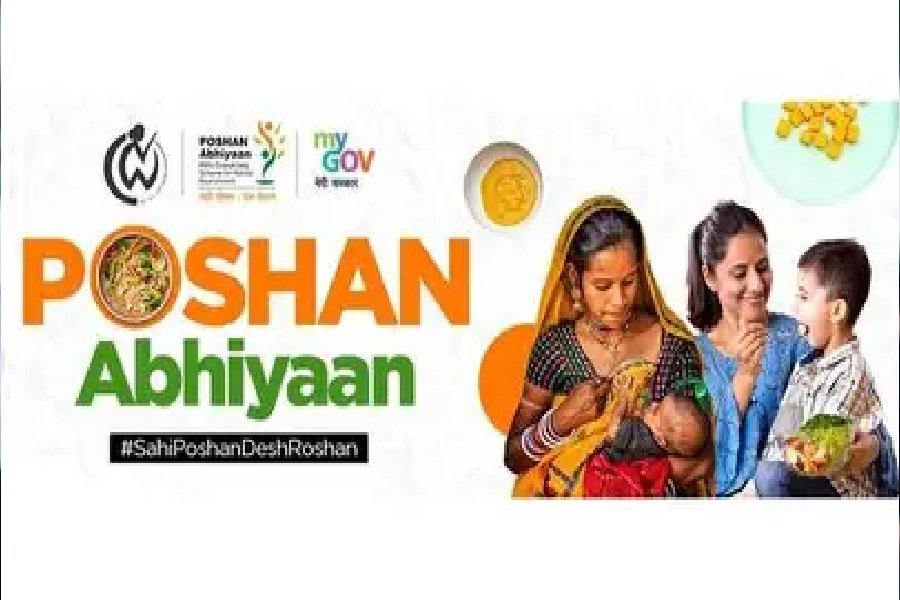
Nagaland Poshan Maah Campaign 2026 has begun across the state under the theme “Hamari Anganwadi, Hamari Jimmedari” or “Our Anganwadi, Our Responsibility.” The month-long September campaign places Anganwadi Centres at the centre of community-led nutrition, childcare and early childhood development efforts. Moreover, multiple departments and community institutions will work together to strengthen implementation.
Nagaland Olympic and Paralympic Games 2026 Set for November
Nagaland Poshan Maah Campaign Begins Across State
Nagaland has joined the nationwide observance of the ninth Rashtriya Poshan Maah 2026. The campaign runs throughout September and forms part of the broader POSHAN Abhiyaan framework.
The Department of Social Welfare will coordinate the state campaign with the Health and Family Welfare, School Education, Agriculture, Horticulture, NSRLM-RD and AYUSH departments. Furthermore, local administration and community institutions will participate in activities across the state.
The national campaign officially launched on September 9 and will continue until October 8. However, Nagaland began its state-level observance with activities planned throughout September.
Therefore, the campaign aims to turn nutrition awareness into sustained community participation. Anganwadi Centres will serve as important points for delivering nutrition, care and early-learning services.
The initiative also reflects the government’s broader approach to nutrition. Instead of focusing only on calorie intake, the campaign promotes diverse, nutritious and locally available foods.
Nagaland Poshan Maah Campaign Promotes Better Nutrition
Dietary diversity and adequate protein form one of the campaign’s five major priorities. Consequently, activities will encourage families to include different food groups and locally available nutritious ingredients in everyday meals.
The campaign will include healthy recipe demonstrations, Poshan Melas and protein-rich food campaigns. Additionally, Anganwadi Centres will promote weekly menu rotation and demonstrations of fresh hot-cooked meals.
Fresh and diverse hot-cooked meals represent another major focus. The programme encourages menu rotation using foods such as millets, pulses and seasonal vegetables while emphasising hygiene and quality.
Community members will also have opportunities to participate in food demonstrations and tasting sessions. Therefore, parents, Self Help Groups, Panchayats and Anganwadi Management Committees can play a more active role in monitoring and supporting nutrition services.
Nagaland’s campaign will also promote indigenous knowledge and locally available foods. Moreover, such activities can connect nutrition awareness with the state’s existing agricultural and community resources.
The approach is particularly important for young children, pregnant women and lactating mothers. Accordingly, the campaign will combine nutrition awareness with maternal health and childcare messaging.
Nagaland Poshan Maah Campaign Strengthens Early Childhood Development
Early childhood development forms another major component of the 2026 campaign. The programme highlights the first 1,000 days of a child’s life and the importance of responsive caregiving, early stimulation and appropriate nutrition.
For children aged up to three years, Anganwadi workers will support families through home visits. The revised Home Visit Scheduler will help organise these interactions, while Navchetna will support age-appropriate learning and early stimulation.
Meanwhile, children between three and six years will receive early-learning support through Aadharshila and play-based activities. The national guidelines also call for Early Childhood Care and Education activities involving children and parents.
The campaign therefore links nutrition with learning and development. Adequate nutrition supports healthy growth, while responsive care and early learning can contribute to children’s development during their foundational years.
Furthermore, Anganwadi Centres will undertake growth monitoring and update relevant information through the Poshan Tracker. Focused home visits will also support beneficiaries who require additional attention.
Community-level health and nutrition activities will also involve Village Health Sanitation and Nutrition Days. Consequently, coordination between Anganwadi workers and health services will remain important during the campaign.
Nagaland currently operates 3,980 Anganwadi Centres through 60 Integrated Child Development Services projects across 16 districts, according to the state’s 2026 statistical survey. The programme covers more than 1.14 lakh beneficiaries across children, adolescent girls and pregnant and lactating women.
Nagaland Poshan Maah Campaign Builds Community Accountability
The theme “Hamari Anganwadi, Hamari Jimmedari” places community ownership at the centre of the campaign. Accordingly, Nagaland will strengthen participation through Anganwadi Management Committees, Mothers’ Committees, Village Councils, Self Help Groups, parents, caregivers and community leaders.
The campaign also promotes greater transparency in nutrition services. Supplementary Nutrition Programme Menu Boards will help communities see the meals and entitlements available at Anganwadi Centres. Moreover, community committees can monitor service delivery and meal quality.
This approach gives local communities a more direct role in nutrition programmes. Rather than treating Anganwadi services as government activities alone, the campaign encourages shared responsibility among families, frontline workers and local institutions.
The 2026 campaign also marks 10 years of the Pradhan Mantri Matru Vandana Yojana. Nagaland will conduct awareness and enrolment activities to identify eligible beneficiaries and facilitate registration, verification and Direct Benefit Transfers.
Additionally, the campaign will promote maternal nutrition and health-seeking behaviour. Therefore, its focus extends beyond children to women and families who influence nutrition outcomes at the household level.
Information, Education and Communication activities will further strengthen public awareness. Meanwhile, social media campaigns, community events and local mobilisation will help carry nutrition messages beyond individual Anganwadi Centres.
The wider objective is to make nutrition a shared community responsibility. Consequently, the success of the campaign will depend not only on official activities but also on sustained participation by families and local institutions.
Conclusion
Nagaland Poshan Maah Campaign 2026 places Anganwadi Centres at the heart of a month-long effort to strengthen nutrition, maternal health, childcare and early childhood development. With dietary diversity, protein-rich foods, hot-cooked meals, community accountability and early stimulation among its priorities, the campaign seeks to turn nutrition awareness into sustained grassroots action across Nagaland.
FAQs
1. What is the theme of the Nagaland Poshan Maah Campaign 2026?
The theme is “Hamari Anganwadi, Hamari Jimmedari,” meaning “Our Anganwadi, Our Responsibility.”
2. When is Rashtriya Poshan Maah 2026 being observed?
The national campaign is being observed from September 9 to October 8, 2026, while Nagaland is conducting activities throughout September.
3. What are the main priorities of the campaign?
The priorities include dietary diversity and adequate protein, fresh hot-cooked meals, community ownership and accountability, nutrition and early stimulation, and 10 years of PMMVY.
4. How will Anganwadi Centres support the campaign?
They will conduct nutrition demonstrations, Poshan Melas, hot-cooked meal activities, growth monitoring, home visits, early-learning activities and community awareness programmes.
5. How many Anganwadi Centres operate in Nagaland?
Nagaland operates 3,980 Anganwadi Centres through 60 ICDS projects across 16 districts, according to the state’s 2026 statistical survey.