


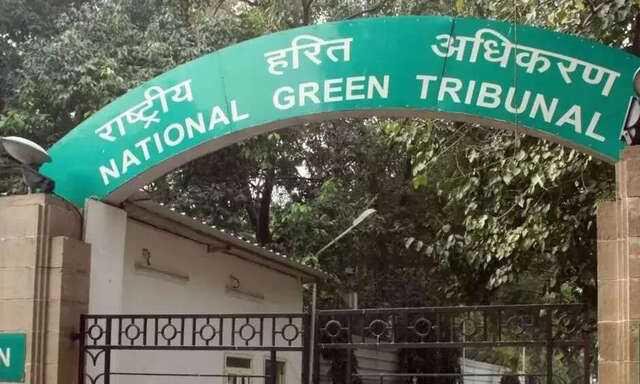
The National Green Tribunal has taken significant action against illegal groundwater extraction in Guwahati, raising serious concerns about environmental sustainability and water security in the region. The tribunal’s intervention comes amid increasing reports of unregulated borewells and excessive groundwater usage by commercial establishments.
The move marks an important step in addressing the growing groundwater crisis in Assam. With rapid urbanization and rising demand for water, the unchecked extraction of groundwater has posed a serious threat to the city’s ecological balance.
Read More: Meghalaya seeks higher LPG allocation amid supply issues
NGT Steps In to Address Violations
The National Green Tribunal took cognizance of complaints regarding illegal groundwater extraction in Guwahati. Reports indicated that several establishments were extracting groundwater without proper authorization, violating environmental norms.
In response, the tribunal directed concerned authorities to conduct thorough inspections and identify violators. It emphasized the need for strict enforcement of existing regulations to prevent further depletion of groundwater resources.
Officials have been asked to submit detailed reports on the extent of illegal extraction and the steps taken to curb such activities. This directive underscores the seriousness of the issue and the urgency of corrective measures.
Growing Groundwater Crisis in Guwahati
Groundwater plays a crucial role in meeting the water needs of Guwahati. However, increasing demand from residential, commercial, and industrial sectors has led to excessive extraction.
Unregulated borewells have become a common sight in many parts of the city. Without proper monitoring, these activities have contributed to a steady decline in groundwater levels.
Environmental experts warn that continued over-extraction could lead to severe consequences, including water scarcity and land subsidence. The situation highlights the need for sustainable water management practices.
Impact of Illegal Extraction
Illegal groundwater extraction in Guwahati has far-reaching impacts. Firstly, it disrupts the natural recharge cycle of aquifers, leading to depletion of water reserves.
Secondly, it affects the availability of water for households that rely on wells and hand pumps. As groundwater levels drop, access to clean water becomes increasingly difficult.
Moreover, excessive extraction can lead to environmental degradation. Changes in soil structure and reduced water tables can impact vegetation and biodiversity.
These concerns have prompted authorities to take stricter action against violators and promote responsible water usage.
Directions Issued by NGT
The National Green Tribunal has issued several directives to address the issue of illegal groundwater extraction in Guwahati.
Authorities have been instructed to identify unauthorized borewells and take action against those responsible. Penalties and legal proceedings may be initiated against violators.
The tribunal has also emphasized the importance of obtaining proper permissions for groundwater usage. Establishments must comply with regulatory requirements and adhere to prescribed limits.
Additionally, the NGT has called for awareness campaigns to educate the public about the importance of conserving groundwater. Community participation is seen as a key factor in achieving long-term sustainability.
Role of Local Authorities
Local authorities in Guwahati have been tasked with implementing the tribunal’s directives. This includes conducting inspections, monitoring water usage, and ensuring compliance with regulations.
Coordination between different departments is essential for effective enforcement. Municipal bodies, water resource departments, and environmental agencies must work together to address the issue.
Authorities are also exploring the use of technology to monitor groundwater extraction. Digital tracking systems and data analysis can help identify patterns and detect violations.
Need for Sustainable Water Management
The issue of illegal groundwater extraction highlights the broader need for sustainable water management in Guwahati. Efficient use of water resources is crucial for ensuring long-term availability.
Rainwater harvesting is one of the key solutions being promoted. By capturing and storing rainwater, communities can reduce their dependence on groundwater.
Wastewater recycling and reuse can also contribute to conservation efforts. These practices help minimize wastage and optimize resource utilization.
Furthermore, urban planning must incorporate water management strategies. Proper infrastructure and policies can support sustainable development while protecting natural resources.
Public Awareness and Responsibility
Addressing illegal groundwater extraction requires active participation from the public. Residents and businesses must recognize the importance of conserving water and adhere to regulations.
Awareness campaigns can play a significant role in changing behavior. Educating people about the consequences of over-extraction can encourage responsible practices.
Community initiatives, such as local water conservation programs, can also make a difference. Collective efforts can help protect groundwater resources for future generations.
Challenges in Enforcement
Despite the NGT’s intervention, enforcing regulations on illegal groundwater extraction presents several challenges. Monitoring a large number of borewells across Guwahati requires substantial resources.
Additionally, lack of awareness and resistance from certain sections can hinder implementation. Ensuring compliance will require consistent efforts and strong administrative support.
However, the tribunal’s action has provided a clear direction for addressing these challenges. With sustained efforts, authorities can make significant progress in curbing illegal activities.
A Step Towards Environmental Protection
The action taken by the National Green Tribunal against illegal groundwater extraction in Guwahati marks an important step towards environmental protection.
In conclusion, the crackdown highlights the urgent need to safeguard groundwater resources in Assam. By enforcing regulations, promoting sustainable practices, and encouraging public participation, the city can work towards a more secure and environmentally balanced future.
Read More: Congress Names Star Campaigners for Tripura Bypoll