


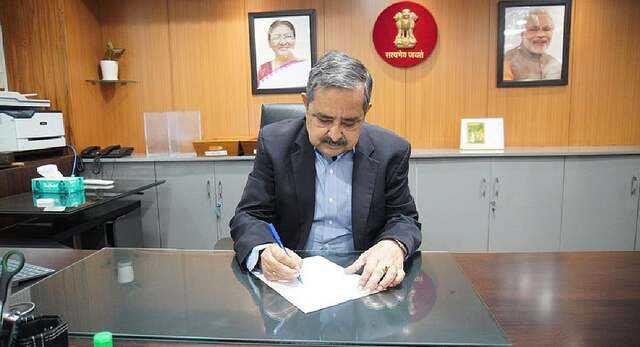
NITI Aayog Vice Chairman Suman Bery has called for the implementation of innovative and sustainable development projects in the backward areas of Kerala’s Idukki district, stressing that region-specific solutions are essential to improving livelihoods and ensuring balanced economic growth. He observed that geographically challenging regions require development models tailored to local conditions rather than conventional approaches.
Speaking during an interaction on regional development, Bery highlighted the importance of leveraging Idukki’s natural resources, human capital, and local strengths to create long-term opportunities in sectors such as agriculture, tourism, renewable energy, entrepreneurship, and skill development.
He noted that innovation should become the driving force behind efforts to bridge developmental disparities while ensuring inclusive growth across remote and underserved regions.
Balanced Regional Development Remains a Priority
The Vice Chairman emphasised that India’s development journey must include every region, particularly districts facing geographical and socio-economic challenges. He stated that balanced regional development is essential for achieving the broader national objective of inclusive and sustainable growth.
Idukki, known for its mountainous terrain, forests, plantations, and hydroelectric resources, possesses considerable untapped potential that can be harnessed through carefully planned development initiatives.
According to Bery, policy interventions should recognise the district’s unique characteristics while creating opportunities that benefit local communities without compromising environmental sustainability.
Such an approach would ensure long-term economic resilience.
Need for Region-Specific Solutions
Suman Bery observed that development strategies for backward regions should be designed according to local needs, resources, and socio-economic realities rather than adopting a one-size-fits-all model.
He encouraged authorities to identify innovative solutions capable of addressing challenges related to connectivity, healthcare, education, employment, agriculture, and infrastructure.
Projects should be practical, scalable, and environmentally sustainable while creating measurable improvements in the quality of life for local residents.
The Vice Chairman stressed that local participation in planning and implementation is essential for ensuring that development initiatives remain effective and relevant.
Harnessing Natural Resources Sustainably
Idukki is endowed with abundant natural resources, including forests, rivers, biodiversity, plantations, and hydroelectric potential. Bery highlighted the importance of managing these resources responsibly while creating economic opportunities for local communities.
He advocated sustainable development models that promote conservation alongside economic growth. Responsible eco-tourism, climate-resilient agriculture, renewable energy, and forest-based livelihoods can generate employment while preserving ecological balance.
The Vice Chairman noted that environmentally sensitive development has become increasingly important in ecologically significant districts such as Idukki.
Sustainability should remain central to future planning initiatives.
Encouraging Entrepreneurship and Innovation
The NITI Aayog Vice Chairman also stressed the need to promote entrepreneurship as a catalyst for regional development. He encouraged greater support for start-ups, small businesses, self-help groups, and rural enterprises capable of generating employment within local communities.
Innovation-driven entrepreneurship can help create value-added products, improve agricultural incomes, expand tourism services, and strengthen local industries.
Bery observed that encouraging young entrepreneurs through skill development, financial support, mentoring, and digital technologies would contribute significantly to long-term economic transformation.
Building local enterprise ecosystems remains an important development objective.
Strengthening Agriculture and Allied Sectors
Agriculture continues to play a central role in Idukki’s economy, particularly through plantation crops, spices, horticulture, and allied activities. Bery emphasised the importance of improving productivity through modern farming practices, better market access, value addition, and scientific cultivation techniques.
He also encouraged diversification into high-value agricultural products, food processing, organic farming, and agro-based industries capable of generating higher incomes for farmers.
Strengthening agricultural value chains, he noted, would improve rural livelihoods while supporting broader economic development.
Technology and innovation can significantly enhance agricultural competitiveness.
Infrastructure and Connectivity
Improving infrastructure remains essential for unlocking the development potential of remote and backward regions. The Vice Chairman highlighted the importance of strengthening road connectivity, digital infrastructure, healthcare facilities, educational institutions, drinking water systems, and public services.
Better infrastructure enables easier movement of people, goods, and services while encouraging investment and economic activity.
Bery stated that improved digital connectivity has become particularly important for education, healthcare, e-governance, and entrepreneurship.
Infrastructure investments should therefore remain a priority for accelerating regional development.
Skill Development for Local Youth
The Vice Chairman emphasised that investing in human capital is fundamental to sustainable development. Skill development programmes should equip young people with capabilities aligned to local economic opportunities, including tourism, hospitality, agriculture, renewable energy, digital services, and entrepreneurship.
He encouraged stronger collaboration between educational institutions, industry, and government agencies to ensure that training programmes meet evolving employment requirements.
Empowering youth with practical skills, he said, enhances employability while encouraging innovation and local enterprise creation.
Human resource development remains central to inclusive economic growth.
Collaborative Approach to Development
Bery underlined that successful regional development requires close cooperation between the Union government, state government, local administration, private sector, academic institutions, civil society organisations, and local communities.
Collaborative planning ensures that projects are better designed, efficiently implemented, and responsive to community needs.
He encouraged stakeholders to share knowledge, adopt best practices, and utilise technology to maximise development outcomes.
Partnership-based governance, according to the Vice Chairman, creates stronger and more sustainable development models.
Innovation to Drive Inclusive Growth
NITI Aayog Vice Chairman Suman Bery’s call for innovative development projects in the backward areas of Idukki highlights the growing emphasis on region-specific planning, sustainable development, and inclusive economic growth. By encouraging innovation, entrepreneurship, improved infrastructure, skill development, sustainable resource management, and community participation, he outlined a comprehensive vision for transforming one of Kerala’s geographically unique districts.
As India continues pursuing balanced regional development, districts like Idukki possess significant opportunities to leverage their natural resources, skilled population, and ecological strengths for long-term prosperity. The Vice Chairman’s emphasis on tailored development strategies reinforces the idea that innovation, sustainability, and local participation are essential for ensuring that economic progress reaches every corner of the country while preserving the unique environmental and cultural identity of each region.