


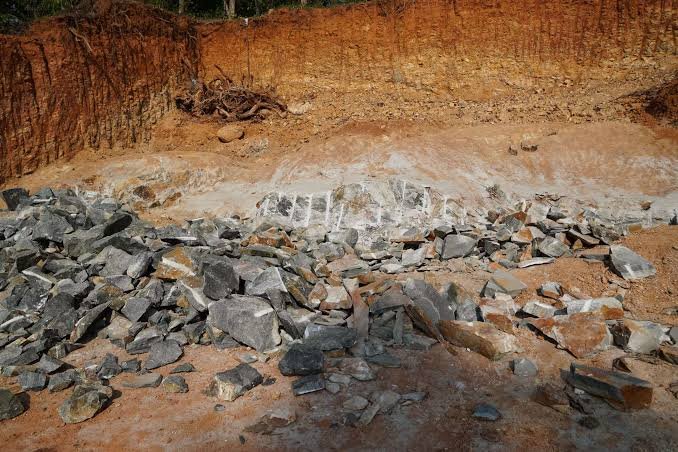
The Northeast Critical Minerals Strategy gained momentum after the Geological Survey of India (GSI) reported 43 fresh lithium and cobalt exploration ventures across the Northeast. The new exploration initiatives highlight the region’s growing role in India’s efforts to strengthen domestic critical mineral resources and support future industrial and clean energy requirements.
Welfare Funding Scrutiny Grows Over Election Welfare Expansion and Central Credit Lines
The Northeast Critical Minerals Strategy has received a significant boost as the Geological Survey of India (GSI) announced 43 fresh exploration ventures for lithium and cobalt across the northeastern states. The latest development reflects India’s continued emphasis on identifying critical mineral resources that can support emerging industries and future technological needs. Moreover, the exploration projects demonstrate the government’s commitment to expanding geological investigations in resource-rich regions.
Lithium and cobalt have become increasingly important because they serve as key raw materials for batteries, electric vehicles, renewable energy storage systems, and advanced electronics. Therefore, expanding exploration activities across the Northeast aligns with broader national objectives to strengthen domestic mineral availability and reduce dependence on imports.
Northeast Critical Minerals Strategy Gains Momentum Through New Exploration Projects
The Geological Survey of India confirmed that 43 new exploration ventures focusing on lithium and cobalt are underway across Northeast India. The announcement marks another step in the country’s ongoing effort to identify and evaluate deposits of critical minerals essential for modern industries.
Moreover, these exploration ventures aim to improve scientific understanding of the region’s geological potential. Consequently, the findings could contribute to future resource planning while supporting evidence-based decisions regarding mineral development.
The Geological Survey of India continues to play a central role in conducting geological investigations throughout the country. Furthermore, its exploration programmes provide valuable information that assists policymakers, researchers, and industry stakeholders in understanding India’s mineral resources.
Importance of Lithium and Cobalt Under the Northeast Critical Minerals Strategy
Lithium and cobalt have become increasingly valuable because they are fundamental components in rechargeable battery technologies. These minerals support the production of electric vehicle batteries, portable electronic devices, renewable energy storage systems, and various industrial applications.
Moreover, global demand for these resources has increased as countries accelerate the transition toward cleaner energy technologies. Therefore, identifying domestic sources has become an important objective for many nations seeking to strengthen supply chain resilience.
The Northeast Critical Minerals Strategy reflects this broader focus by encouraging detailed geological exploration in areas that may contain commercially significant mineral deposits. Additionally, scientific exploration helps establish accurate resource assessments before any future development decisions are considered.
Geological Survey of India Expands Scientific Exploration Across the Northeast
The Geological Survey of India has consistently undertaken geological mapping and mineral assessment programmes across different regions of the country. The latest announcement regarding 43 exploration ventures demonstrates continued investment in scientific surveys throughout the Northeast.
Furthermore, exploration activities involve detailed geological studies, field investigations, sampling, laboratory analysis, and resource evaluation. These stages help experts determine whether identified mineral occurrences possess the characteristics necessary for further assessment.
Meanwhile, exploration itself does not automatically indicate future mining activity. Instead, it represents an essential scientific process that generates reliable geological data for policymakers and other stakeholders.
Additionally, comprehensive exploration allows authorities to better understand regional geology while identifying areas that warrant further investigation under established regulatory frameworks.
Northeast Critical Minerals Strategy Supports Long-Term Resource Planning
The expansion of exploration ventures highlights the growing importance of strategic mineral planning within India’s broader economic and industrial development agenda. Moreover, critical minerals have become increasingly relevant as manufacturing sectors continue to evolve toward advanced technologies.
Reliable geological information enables governments to formulate informed policies regarding resource management. Consequently, exploration initiatives contribute to long-term planning by improving knowledge of available mineral resources.
Similarly, the Northeast’s diverse geological landscape offers opportunities for scientific research that may strengthen India’s understanding of critical mineral distribution. However, future decisions regarding development would depend on detailed exploration results, technical feasibility, environmental assessments, and applicable regulatory approvals.
The latest announcement therefore represents an important milestone in expanding geological knowledge rather than confirming commercial extraction activities.
Conclusion
The Northeast Critical Minerals Strategy has advanced with the Geological Survey of India’s announcement of 43 fresh lithium and cobalt exploration ventures across Northeast India. The initiative reflects the country’s increasing focus on identifying critical mineral resources that support future industrial growth and technological development.
Moreover, the exploration programme demonstrates the importance of scientific geological investigations in strengthening national resource planning. By expanding surveys across the region, the Geological Survey of India continues to improve understanding of mineral potential while generating valuable geological data for future decision-making.
Overall, the newly announced ventures underline Northeast India’s growing significance within India’s critical mineral exploration efforts. As exploration progresses, the findings will contribute to a more comprehensive understanding of the region’s resource potential while supporting evidence-based planning for the country’s long-term mineral strategy.
FAQs
1. What is the Northeast Critical Minerals Strategy?
The Northeast Critical Minerals Strategy refers to ongoing efforts to strengthen the exploration and assessment of critical minerals such as lithium and cobalt across Northeast India.
2. Which organization announced the new exploration ventures?
The Geological Survey of India (GSI) reported 43 fresh lithium and cobalt exploration ventures across the northeastern states.
3. Why are lithium and cobalt considered critical minerals?
Lithium and cobalt are essential for manufacturing rechargeable batteries, electric vehicles, renewable energy storage systems, and various advanced electronic technologies.
4. Does exploration mean mining will begin immediately?
No. Exploration is a scientific process used to assess mineral potential. Any future mining activity would require further studies, regulatory approvals, and additional evaluations.
5. Why is Northeast India important for critical mineral exploration?
The region possesses diverse geological formations that make it an important area for scientific surveys aimed at identifying potential critical mineral resources.