


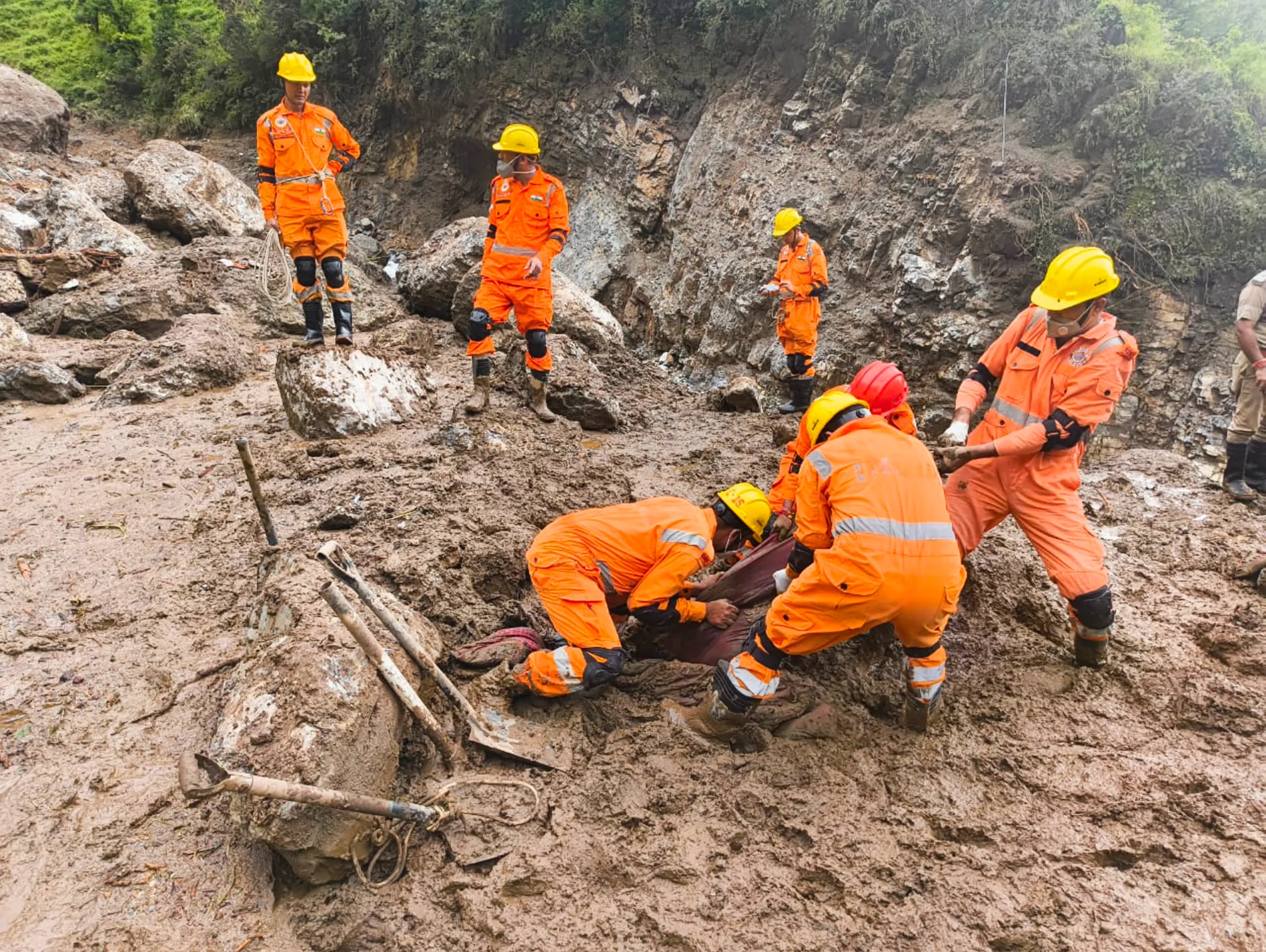
The Northeast Landslide Highway Alert has been issued by disaster management authorities following persistent monsoon rainfall across several northeastern states. Moreover, emergency agencies have warned highway commuters about the increased risk of landslides, rockfalls, and road blockages in hilly regions. Consequently, travelers have been advised to exercise caution, monitor official weather updates, and follow traffic advisories while undertaking journeys through vulnerable corridors.
AFTF Demands Repeal of 80:20 Recruitment Ratio in Arunachal Pradesh
Directorate of Education Launches Manipur Smite App to Accelerate Digital Transformation in Schools
Northeast Landslide Highway Alert Issued Amid Heavy Rainfall
The Northeast Landslide Highway Alert comes as continuous monsoon showers have increased the likelihood of landslides along major highways and mountain roads. Furthermore, saturated soil and unstable hill slopes have raised concerns about sudden road obstructions and transportation disruptions.
Landslides frequently occur during prolonged periods of heavy rainfall in mountainous terrain. Consequently, disaster management agencies are closely monitoring high-risk locations across the region.
Moreover, local administrations have strengthened surveillance in vulnerable districts. Therefore, emergency teams remain prepared to respond to incidents if they occur.
Additionally, authorities continue issuing regular weather and travel advisories. Thus, commuters are encouraged to stay informed before beginning their journeys.
Disaster Response Teams Strengthen Monitoring
The Northeast Landslide Highway Alert has prompted disaster management authorities to increase monitoring of landslide-prone routes and critical transportation corridors. Furthermore, emergency response teams are coordinating with public works departments and local administrations to ensure rapid action if roads become blocked.
Continuous monitoring helps authorities identify emerging risks before they escalate. Consequently, response teams can deploy personnel and equipment more efficiently.
Moreover, highway maintenance agencies remain on standby to clear debris and restore traffic movement where required. Therefore, coordinated planning supports quicker recovery following weather-related disruptions.
Similarly, communication between weather agencies and district officials improves preparedness. Additionally, real-time information enhances public safety.
Highway Commuters Advised to Follow Official Guidance
The Northeast Landslide Highway Alert emphasizes the importance of responsible travel during adverse weather conditions. Furthermore, authorities have advised motorists to avoid unnecessary travel through landslide-prone areas whenever possible.
Drivers should remain alert to changing road conditions and comply with traffic advisories issued by local authorities. Consequently, careful planning can help reduce travel-related risks.
Moreover, travelers are encouraged to monitor official weather forecasts before departing. Therefore, informed decisions can improve safety during the monsoon season.
Similarly, emergency contact numbers should remain readily available while traveling. Additionally, avoiding flooded or damaged road sections helps prevent accidents.
Preparedness Remains Essential During the Monsoon
The Northeast Landslide Highway Alert highlights the importance of coordinated disaster preparedness throughout the active monsoon season. Furthermore, investments in slope stabilization, early warning systems, and resilient infrastructure can reduce the long-term impact of landslides.
Effective disaster management relies on timely weather forecasting, public awareness, and rapid emergency response. Consequently, authorities continue strengthening preparedness across vulnerable regions.
Moreover, collaboration among disaster management agencies, road authorities, and local governments enhances operational efficiency. Therefore, coordinated efforts remain essential for protecting lives and maintaining transportation networks.
Similarly, public cooperation with official advisories contributes significantly to community safety. Additionally, long-term mitigation strategies can improve resilience against future monsoon-related disasters.
Conclusion
The Northeast Landslide Highway Alert has been issued as persistent monsoon rainfall increases the risk of landslides, rockfalls, and road disruptions across the region. Moreover, disaster management agencies have strengthened monitoring while advising commuters to remain cautious and follow official travel guidance.
Furthermore, continuous weather surveillance, coordinated emergency response, and responsible public behavior will remain crucial throughout the monsoon season. Consequently, proactive preparedness and timely advisories can significantly reduce the risks associated with landslides on major highways.
Looking ahead, stronger infrastructure, improved early warning systems, and sustained cooperation among government agencies will help enhance the effectiveness of the Northeast Landslide Highway Alert and improve commuter safety.
FAQs
1. Why was the Northeast Landslide Highway Alert issued?
The alert was issued because persistent monsoon rainfall has increased the risk of landslides and road blockages on highways.
2. Who issued the alert?
Disaster management authorities and emergency response agencies issued the advisory for highway commuters.
3. What risks do commuters face?
Travelers may encounter landslides, rockfalls, damaged roads, traffic disruptions, and reduced visibility during heavy rainfall.
4. What precautions should travelers take?
They should monitor official weather updates, follow traffic advisories, avoid unnecessary travel in high-risk areas, and drive cautiously.
5. Why is the Northeast Landslide Highway Alert significant?
It helps improve public safety by encouraging preparedness, supporting timely emergency response, and reducing risks associated with monsoon-related landslides.