


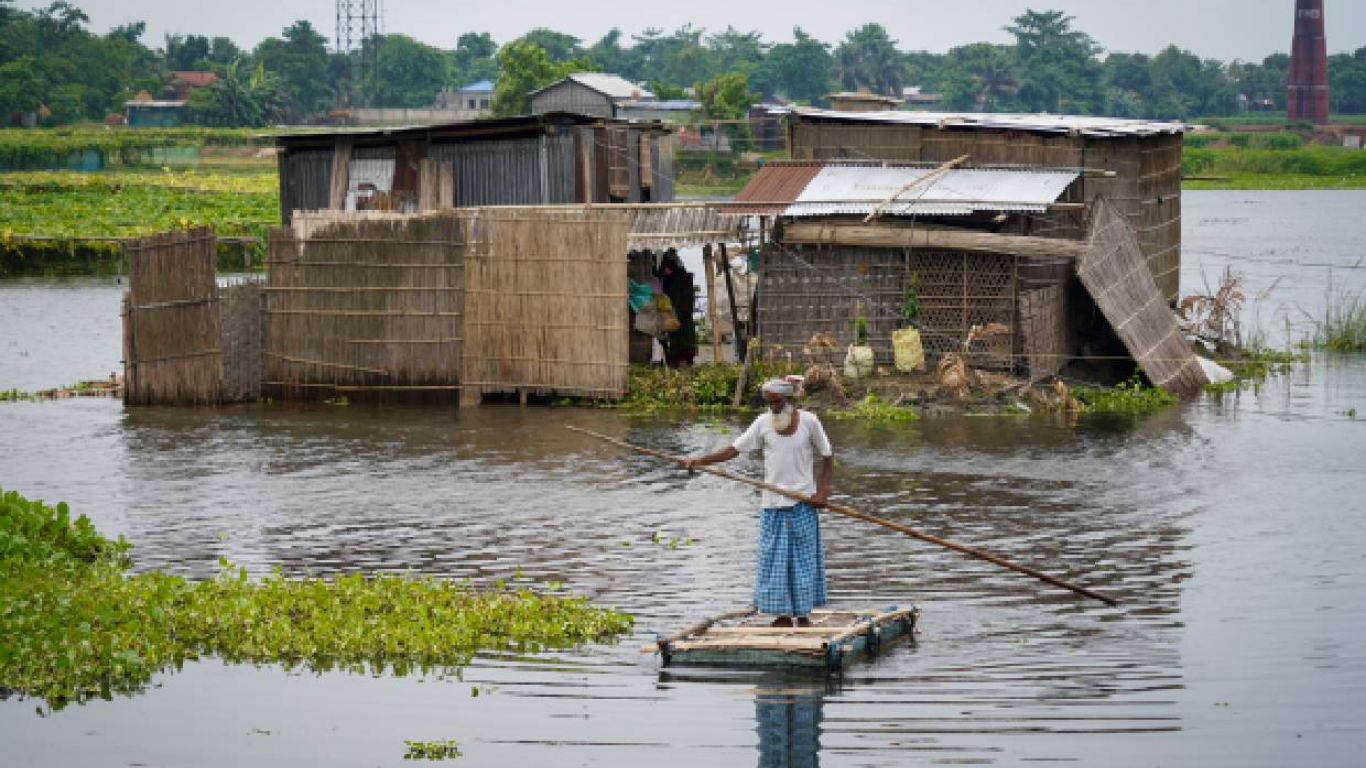
The first major wave of the 2026 monsoon has caused widespread flooding and infrastructure damage across Assam, affecting more than 22,000 people and inundating over 100 villages spread across six districts. The severe weather conditions have disrupted transportation, displaced thousands of residents, and intensified concerns regarding public safety and infrastructure resilience. Moreover, in Dhemaji district, extensive riverbank erosion along the Simen River partially collapsed a critical railway bridge, forcing authorities to suspend train operations and initiate emergency assessments. The situation has highlighted the growing challenges posed by extreme monsoon events across the region.
Death Toll Rises to Four as Floods and Landslides Impact Over 90,000 Residents Across 28 Districts
Naga Kuki Relations Strain Continues
First Major Monsoon Wave Impacts Six Districts
The onset of the first major monsoon spell of 2026 has triggered widespread flooding across several districts of Assam. Consequently, thousands of residents have experienced disruptions to daily life, transportation, and access to essential services.
According to officials, more than 100 villages have been submerged, affecting over 22,000 residents across six districts. Moreover, rising river levels and continuous rainfall have damaged agricultural land, local roads, and public infrastructure. Therefore, emergency response agencies have intensified relief and monitoring operations.
Authorities stated that district administrations have mobilized disaster management teams to assess damage and support affected communities. Furthermore, emergency shelters and relief measures have been activated in vulnerable areas. As a result, rescue and relief operations continue to expand.
Meanwhile, weather monitoring agencies continue to track rainfall activity and river conditions. Consequently, authorities remain on high alert.
Simen River Erosion Damages Critical Railway Infrastructure
One of the most significant impacts of the ongoing monsoon has been reported in Dhemaji district, where severe riverbank erosion damaged a critical railway bridge over the Simen River. Moreover, the erosion caused partial structural collapse, raising serious concerns regarding transportation safety and infrastructure stability.
Officials confirmed that train operations across the affected section were immediately suspended following the discovery of the damage. Consequently, railway authorities initiated emergency inspections and safety assessments. Such precautionary measures remain essential for protecting passengers and infrastructure.
Furthermore, engineering teams have been deployed to evaluate the extent of structural damage and determine restoration requirements. As a result, railway authorities continue to monitor conditions before permitting the resumption of services.
Meanwhile, passengers have been advised to remain informed through official railway announcements. Similarly, alternative operational arrangements remain under consideration.
Flood Relief and Emergency Response Operations Intensify
State authorities and disaster response agencies have intensified relief operations across the affected districts as floodwaters continue to impact communities. Moreover, emergency teams have been mobilized to provide assistance, evacuation support, and essential supplies. Therefore, coordinated response efforts remain a top priority.
Officials noted that relief camps, food supplies, medical assistance, and emergency services have been activated in vulnerable areas. Consequently, local administrations continue to work closely with disaster management agencies and humanitarian organizations. Such coordination remains critical during large-scale emergencies.
Furthermore, authorities have emphasized the importance of public cooperation and adherence to official advisories. As a result, awareness campaigns and emergency communication systems remain active.
Meanwhile, rescue teams continue to monitor changing conditions across affected districts. Similarly, preparedness measures remain in force.
Infrastructure Resilience Challenges Highlighted by Monsoon Damage
The widespread flooding and railway bridge damage underscore the vulnerability of critical infrastructure to extreme weather events and riverbank erosion. Moreover, recurring monsoon-related disasters continue to place significant pressure on transportation and public infrastructure systems. Therefore, experts have emphasized the need for long-term resilience planning.
Officials and infrastructure experts noted that enhanced flood management systems, riverbank protection measures, and resilient engineering solutions are increasingly necessary. Consequently, discussions regarding infrastructure adaptation and disaster mitigation have intensified. Such investments remain important for reducing future risks.
Furthermore, climate-related weather extremes continue to influence infrastructure planning strategies across the Northeast. As a result, policymakers and disaster management authorities remain focused on improving preparedness and response mechanisms.
Meanwhile, assessments of the current damage continue across multiple sectors. Similarly, recovery planning efforts remain underway.
Conclusion
The first major monsoon wave of 2026 has caused extensive flooding across Assam, affecting more than 22,000 residents and submerging over 100 villages across six districts. Moreover, the partial collapse of the Simen River railway bridge in Dhemaji highlights the serious impact of extreme weather on critical infrastructure.
The ongoing situation underscores the importance of disaster preparedness, resilient infrastructure, and coordinated emergency response systems. Therefore, relief operations, infrastructure assessments, and recovery planning remain immediate priorities.
As authorities continue to monitor conditions and assist affected communities, efforts to strengthen long-term disaster resilience are expected to remain a key focus.
FAQs
1. How many people have been affected by the floods in Assam?
More than 22,000 people have reportedly been affected.
2. How many villages have been submerged?
Over 100 villages across six districts have been inundated.
3. Which district experienced railway infrastructure damage?
The railway bridge damage occurred in Dhemaji district.
4. What caused the suspension of train services?
Massive riverbank erosion partially collapsed a railway bridge over the Simen River.
5. What measures have authorities taken?
Authorities have initiated relief operations, damage assessments, and emergency response measures.