


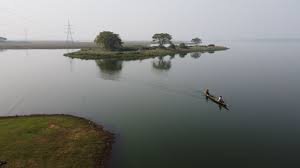
Pamohi River Pollution Crisis intensified after the Central Pollution Control Board officially identified the river as critically polluted, raising major environmental concerns for the ecologically sensitive Deepor Beel wetland near Guwahati. The development triggered alarm among environmental experts, conservation groups, and local residents who fear long-term damage to the region’s fragile aquatic ecosystem.
Meanwhile, officials and environmental observers warned that continued pollution in the Pamohi River could significantly affect biodiversity, water quality, and wildlife habitats connected to Deepor Beel. Furthermore, the issue renewed debate over waste management, urban expansion, and environmental protection measures in Assam.
ANIKET RAM CROWNED TRIPURA’S BEST NCC CADET
CPCB Identifies Critical Pollution Levels
The Central Pollution Control Board listed the Pamohi River among critically polluted water bodies after monitoring water quality indicators and pollution levels. According to environmental officials, rising contamination levels have increased concern regarding the river’s ecological condition and public health impact.
Meanwhile, experts stated that untreated waste discharge, urban runoff, and encroachment-related activities may have contributed to the deteriorating condition of the river. Authorities additionally noted that polluted river systems can directly affect nearby wetlands and surrounding biodiversity zones.
The Pamohi River Pollution Crisis therefore emerged as a serious environmental challenge for authorities and conservation agencies in Assam. Consequently, environmental groups demanded immediate intervention and restoration planning.
Deepor Beel Faces Ecological Threat
Environmental experts warned that pollution in the Pamohi River could severely impact Deepor Beel, one of Assam’s most important wetland ecosystems. Deepor Beel, recognized as a Ramsar site, supports migratory birds, aquatic species, and diverse ecological habitats near Guwahati.
Meanwhile, conservationists stated that increasing pollution levels threaten water quality and disrupt the natural balance of the wetland ecosystem. Several wildlife experts also expressed concern regarding the long-term survival of aquatic life dependent on connected water channels.
Authorities monitoring the area indicated that deteriorating river health may accelerate ecological stress within Deepor Beel. As a result, environmental organizations intensified calls for stronger wetland protection measures and pollution control strategies.
Waste Disposal And Urban Pressure Under Scrutiny
The Pamohi River Pollution Crisis revived broader concerns regarding waste disposal systems and rapid urban expansion around Guwahati. Environmental analysts argued that unregulated dumping, sewage discharge, and construction activities continue placing pressure on natural water bodies in the region.
Meanwhile, experts stated that weak enforcement of environmental regulations often allows pollution sources to expand unchecked. Several activists additionally criticized inadequate waste management infrastructure and poor monitoring of industrial discharge near sensitive ecological zones.
Authorities may therefore face increased pressure to strengthen environmental enforcement and improve urban planning policies connected to river conservation.
Conservation Groups Demand Immediate Action
Environmental organizations and citizen groups urged authorities to take urgent corrective measures after the CPCB findings became public. Activists demanded comprehensive pollution control plans, restoration projects, and stricter monitoring of waste disposal activities near the river.
Meanwhile, conservation experts recommended scientific assessment of contamination sources and long-term ecological recovery strategies for the Pamohi River and Deepor Beel ecosystem.
Several organizations additionally appealed for stronger coordination between environmental departments, municipal bodies, and pollution control agencies.
Public awareness campaigns regarding river conservation and wetland protection also gained momentum following the pollution alert. Consequently, environmental advocacy groups intensified outreach activities across Guwahati.
Biodiversity Concerns Continue To Grow
Deepor Beel remains an important habitat for migratory birds, fish species, and wetland wildlife. Environmental researchers warned that continued contamination of connected rivers may gradually reduce biodiversity and damage aquatic ecosystems.
Meanwhile, wildlife experts noted that pollution-related decline in water quality could affect food chains, breeding cycles, and habitat stability within the wetland region. Several researchers additionally emphasized the ecological importance of maintaining clean inflow channels connected to Deepor Beel.
The Pamohi River Pollution Crisis therefore carries broader implications for conservation efforts and biodiversity protection in northeastern India.
Residents Express Concern Over Environmental Damage
Local residents living near the river and wetland areas expressed concern regarding worsening environmental conditions and potential health risks linked to pollution. Several citizens stated that water contamination and waste accumulation have become increasingly visible in recent years.
Meanwhile, community members urged authorities to improve waste collection systems and prevent illegal dumping activities around water bodies. Residents additionally called for regular environmental monitoring and transparent public reporting regarding pollution levels.
Observers noted that growing public awareness may increase pressure on authorities to prioritize ecological restoration and sustainable urban management in the region.
Authorities Expected To Review Pollution Control Measures
Government agencies and pollution control authorities are expected to review existing environmental management systems following the CPCB findings. Officials may conduct additional inspections, monitoring exercises, and policy reviews aimed at reducing contamination in the Pamohi River.
Meanwhile, environmental experts stressed that restoration efforts require long-term planning, scientific coordination, and strict regulatory enforcement. Several analysts additionally recommended investment in sewage treatment infrastructure and wetland conservation programs.
Consequently, future environmental policies in Assam may place greater emphasis on river restoration and ecological sustainability.
Conclusion
Pamohi River Pollution Crisis has emerged as a major environmental concern after the Central Pollution Control Board flagged the river as critically polluted. Furthermore, the development raised serious fears regarding ecological damage to the adjacent Deepor Beel wetland and its biodiversity. As environmental groups demand urgent action, authorities are expected to focus on pollution control, conservation planning, and long-term ecological restoration efforts.
FAQs
Why did the CPCB flag the Pamohi River?
The CPCB identified the river as critically polluted based on environmental monitoring and water quality assessments.
What is the focus keyphrase of this topic?
Pamohi River Pollution Crisis is the focus keyphrase related to the environmental issue.
Why is Deepor Beel important?
Deepor Beel is a major wetland ecosystem and Ramsar site that supports biodiversity and migratory bird habitats.
What may have caused the river pollution?
Experts suspect untreated waste discharge, urban runoff, sewage, and dumping activities contributed to the pollution.
How are environmental groups responding?
Conservation organizations are demanding urgent pollution control measures and ecological restoration plans.
What concerns do local residents have?
Residents expressed concern regarding environmental damage, water contamination, and possible health risks linked to pollution.