


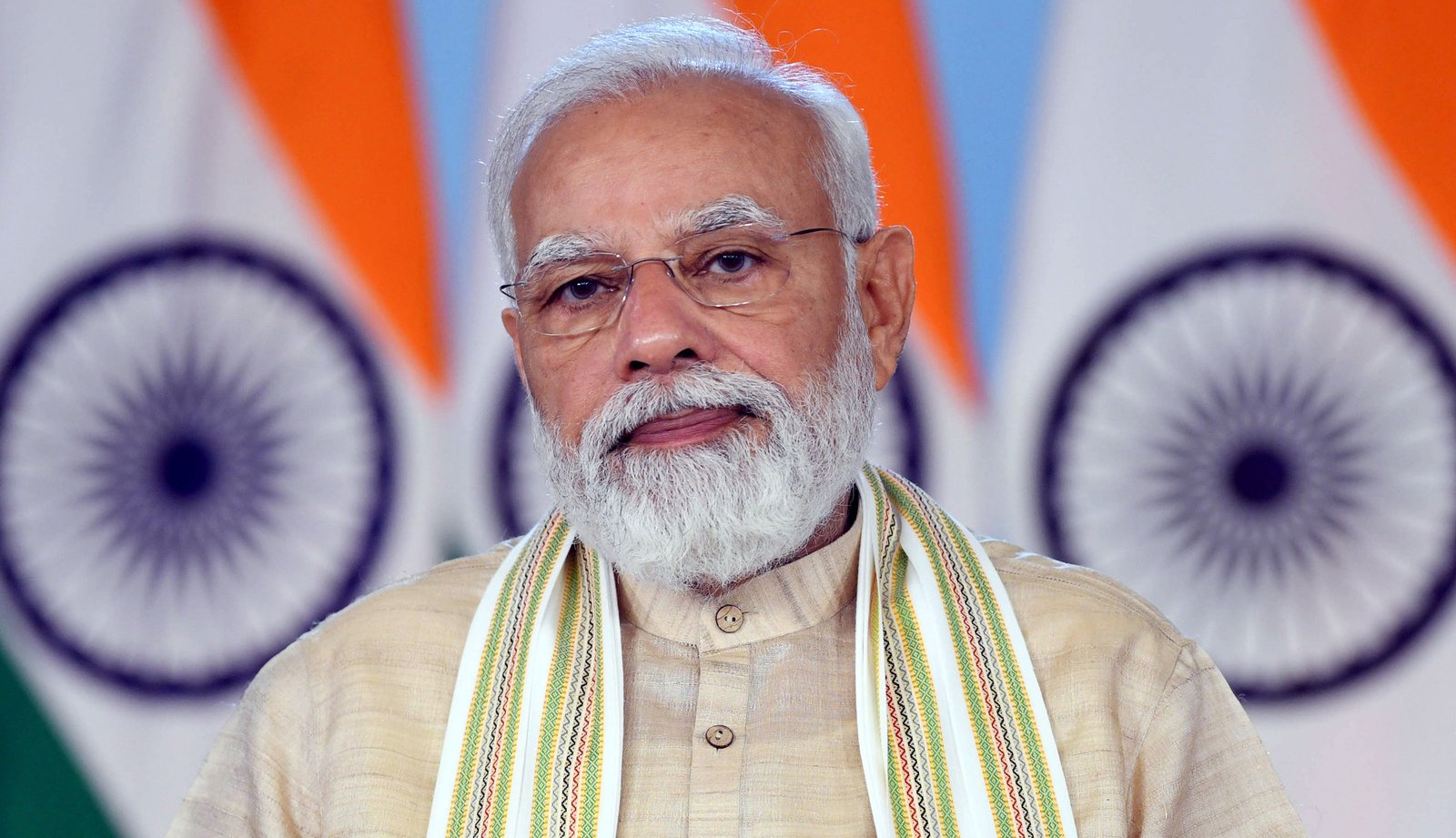
Prime Minister Narendra Modi will not attend the upcoming ASEAN Summit in Malaysia, the Ministry of External Affairs (MEA) confirmed on Wednesday. His decision to skip the summit also rules out the possibility of a bilateral meeting with former U.S. President Donald Trump, who is expected to attend the event as a special guest. The cancellation has drawn attention in both diplomatic and political circles, given the importance of ASEAN in India’s regional outreach strategy.
Read More: Tripura Bans Pig Transport Without Approval Amid Disease Concerns
PM Modi Cancels Malaysia Visit for ASEAN Summit
According to MEA officials, PM Modi cancels Malaysia visit due to pressing domestic and international commitments. The ministry emphasized that India remains committed to strengthening ties with ASEAN nations despite the Prime Minister’s absence from the summit. External Affairs Minister S. Jaishankar is likely to represent India at the meeting in Kuala Lumpur.
The ASEAN Summit, scheduled for next week, is a key platform for dialogue on trade, connectivity, and regional security. Leaders from 10 Southeast Asian countries, along with major partners such as the United States, China, Japan, and Australia, are expected to participate. Modi’s absence will be notable, especially as India has been pushing for greater cooperation with ASEAN through its Act East Policy.
Sources close to the Prime Minister’s Office stated that his decision was taken after reviewing the diplomatic calendar and domestic priorities for the coming months. “The Prime Minister’s schedule is extremely packed, and some important national events coincide with the ASEAN summit dates,” said an official familiar with the matter.
Implications for India-ASEAN Relations
Modi’s decision comes at a time when India has been working to deepen economic and strategic ties with Southeast Asia. The region is crucial for India’s Indo-Pacific vision, which aims to ensure stability and prosperity across the maritime corridor stretching from the eastern coast of Africa to the Pacific.
Analysts believe that the Prime Minister’s absence will not significantly affect India’s relations with ASEAN but may slow down discussions on specific projects. “India’s engagement with ASEAN is institutionalized. Even if the Prime Minister skips the summit, dialogues and working-level meetings will continue,” said foreign policy expert C. Raja Mohan.
However, observers also note that Modi’s presence at past ASEAN summits has symbolized India’s growing confidence in regional diplomacy. His participation in previous meetings helped highlight India’s position on freedom of navigation, trade liberalization, and counterterrorism cooperation.
No Bilateral Meeting With Trump
Modi’s non-attendance also precludes the possibility of a meeting with Donald Trump, who is expected to address select ASEAN leaders on the sidelines of the summit. This would have been the first high-profile interaction between the two since Trump’s renewed engagement in Indo-Pacific affairs.
Diplomatic sources in Washington had earlier hinted that the U.S. side was keen on a one-on-one meeting to discuss trade cooperation and security partnerships. However, with Modi not attending, the two leaders will now have to explore other forums to reconnect.
Experts said that while the absence of a Modi-Trump meeting might draw media attention, it is unlikely to alter India-U.S. relations significantly. “Both countries maintain active diplomatic communication through several channels, including defense, energy, and technology partnerships. One meeting does not define the relationship,” said a senior Indian diplomat.
External Affairs Minister to Lead Delegation
External Affairs Minister S. Jaishankar will now lead the Indian delegation to Malaysia. He is expected to present India’s vision for regional stability, sustainable growth, and enhanced connectivity. His speech will likely reiterate India’s commitment to a free, open, and rules-based Indo-Pacific region.
The MEA confirmed that Jaishankar will hold several bilateral meetings on the sidelines of the summit. These will include discussions with counterparts from Indonesia, Singapore, Vietnam, and Thailand — key partners in India’s regional diplomacy. He will also participate in dialogues focusing on counterterrorism, trade facilitation, and digital transformation.
Officials stated that India’s participation at the ministerial level reflects the country’s ongoing dedication to ASEAN-led mechanisms. “Even without the Prime Minister, India remains an active and constructive partner in the region,” said an MEA spokesperson.
Domestic Priorities Take Center Stage
Officials cited pressing domestic issues as one of the main reasons for Modi’s decision. Sources suggested that the Prime Minister will focus on reviewing economic programs, attending state events, and preparing for upcoming global engagements. These include India’s role in G20 follow-up meetings and infrastructure development initiatives.
Additionally, several domestic projects — including rural electrification reviews, infrastructure expansion, and social welfare assessments — are lined up during the same period. “The Prime Minister believes that delegating representation to the External Affairs Minister allows him to balance domestic responsibilities while maintaining international engagement,” the source added.
India’s Ongoing Role in ASEAN Framework
Despite Modi’s absence, India’s engagement with ASEAN remains strong. The country continues to participate in several ASEAN-led frameworks, such as the East Asia Summit, ASEAN Regional Forum (ARF), and ASEAN Defense Ministers’ Meeting Plus (ADMM+).
In recent years, India has focused on improving trade relations, promoting connectivity through the India-Myanmar-Thailand Trilateral Highway, and enhancing cultural exchange programs. The Indian government has also prioritized defense collaboration with countries like Vietnam and Indonesia, which share India’s concerns over maritime security.
Analysts Weigh In on the Decision
Experts in strategic affairs have described Modi’s decision as pragmatic. According to them, India’s diplomacy under Modi is characterized by continuity and delegation. “This move shows that India’s foreign policy does not rely solely on the Prime Minister’s presence. It has matured to function effectively through institutional mechanisms,” said strategic analyst Harsh V. Pant.
Others view the decision as a reflection of India’s growing confidence in its regional role. “By sending a senior minister, India signals that its partnerships are based on shared interests rather than individual diplomacy,” explained Professor Rajesh Rajagopalan from Jawaharlal Nehru University.
While PM Modi cancels Malaysia visit may sound like a diplomatic setback, it highlights a practical approach to balancing domestic priorities with international commitments. India’s engagement with ASEAN will continue through established channels and ministerial dialogues.
With External Affairs Minister Jaishankar leading the delegation, India aims to sustain its active role in shaping the Indo-Pacific discourse. The Prime Minister’s absence may shift headlines, but the long-term foundation of India-ASEAN cooperation remains firm and forward-looking.
Read More: Mamata Orders Quick Repair of Flood-Damaged Schools in North Bengal