


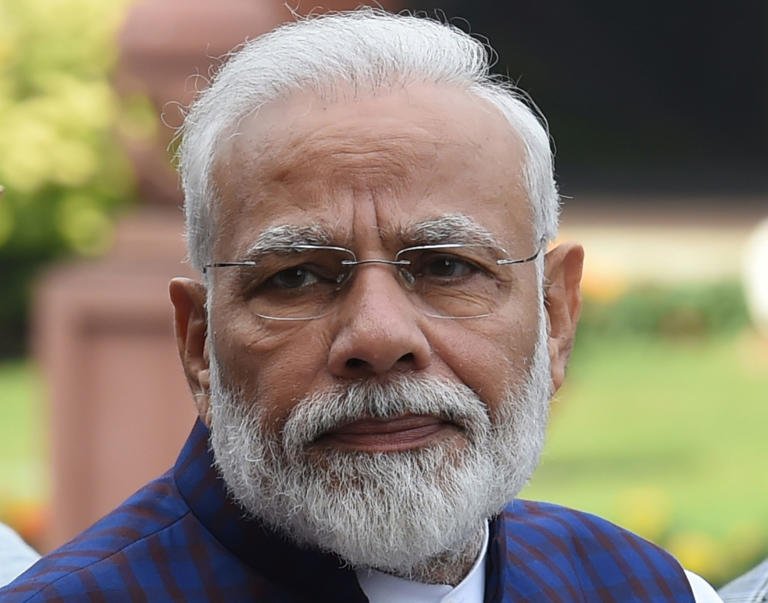
Prime Minister Narendra Modi is set to embark on a significant six-day diplomatic tour to Indonesia, Australia, and New Zealand from July 6 to July 11, underscoring India’s continued commitment to strengthening strategic partnerships across the Indo-Pacific region. The visit is expected to focus on expanding cooperation in trade, investment, defence, maritime security, technology, education, clean energy, and regional stability.
The three-nation visit comes at a time when India is actively enhancing its engagement with countries in the Indo-Pacific amid evolving geopolitical dynamics and growing economic opportunities. The Prime Minister’s engagements are expected to include bilateral meetings with the leaders of the three nations, interactions with business communities, and participation in official events aimed at advancing India’s diplomatic and economic interests.
Officials believe the visit will reinforce India’s role as a trusted regional partner while opening new avenues for collaboration across multiple sectors.
Indonesia Visit to Strengthen Comprehensive Strategic Partnership
The Prime Minister’s first stop will be Indonesia, one of India’s key partners in Southeast Asia and an important member of the Association of Southeast Asian Nations (ASEAN). India and Indonesia share deep historical, cultural, and maritime ties, with both countries playing vital roles in ensuring peace, stability, and prosperity across the Indo-Pacific.
During the visit, Prime Minister Modi is expected to hold bilateral discussions with Indonesian leadership covering trade, investment, maritime cooperation, connectivity, defence collaboration, digital economy, renewable energy, and regional security.
The leaders are also likely to review the progress of existing bilateral agreements while exploring new initiatives to strengthen economic cooperation. Discussions may focus on expanding trade volumes, improving connectivity between the two countries, and encouraging greater private-sector participation in investment projects.
Given Indonesia’s strategic location along major global shipping routes, maritime cooperation is expected to remain one of the central themes of the visit.
Focus on Maritime Security and Indo-Pacific Cooperation
India and Indonesia have consistently emphasized the importance of maintaining a free, open, inclusive, and rules-based Indo-Pacific region. During the Prime Minister’s visit, both sides are expected to discuss enhanced maritime cooperation, naval collaboration, disaster management, and sustainable use of marine resources.
The two countries have previously worked together in promoting maritime security, combating illegal fishing, strengthening coastal surveillance, and ensuring freedom of navigation across the region.
Officials expect discussions to further deepen cooperation in areas such as the blue economy, port development, maritime connectivity, and humanitarian assistance during natural disasters.
Strengthening maritime partnerships remains increasingly important as Indo-Pacific nations seek greater collaboration to address shared regional challenges.
Australia Visit to Expand Strategic Cooperation
Following his engagements in Indonesia, Prime Minister Modi will travel to Australia, one of India’s closest strategic partners in the Indo-Pacific. Relations between the two countries have witnessed remarkable growth in recent years, driven by expanding cooperation across defence, trade, critical minerals, education, technology, clean energy, and people-to-people exchanges.
The bilateral meetings are expected to review the implementation of existing agreements while identifying new opportunities for collaboration under the Comprehensive Strategic Partnership.
Trade and investment are likely to feature prominently during discussions, with both countries seeking to enhance economic cooperation and facilitate greater market access for businesses.
Officials are also expected to explore new partnerships in critical sectors such as semiconductor manufacturing, artificial intelligence, cybersecurity, renewable energy, space technology, and digital innovation.
Defence and Security Cooperation to Receive Attention
India and Australia have significantly expanded defence cooperation over the past few years through joint military exercises, naval engagements, defence dialogues, and intelligence-sharing mechanisms.
The Prime Minister’s visit is expected to further strengthen collaboration in maritime security, defence technology, counter-terrorism, cyber security, and regional peace initiatives.
Officials may also discuss mechanisms for improving interoperability between defence forces, enhancing logistics cooperation, and expanding strategic coordination in multilateral forums.
Both countries share common interests in maintaining regional stability and promoting international rules-based order across the Indo-Pacific.
The visit is expected to reinforce these shared strategic objectives while expanding defence partnerships for the future.
New Zealand Visit to Enhance Economic and People-to-People Ties
The final leg of the Prime Minister’s tour will take him to New Zealand, where discussions are expected to focus on strengthening bilateral cooperation in trade, agriculture, education, tourism, technology, renewable energy, and innovation.
India and New Zealand have maintained cordial diplomatic relations for decades, supported by growing economic engagement and a vibrant Indian diaspora that contributes significantly to New Zealand’s multicultural society.
Prime Minister Modi is expected to hold talks with New Zealand’s leadership on expanding bilateral trade, encouraging investment, improving educational partnerships, and strengthening cooperation in agricultural research and food processing.
The visit is also expected to promote greater collaboration in emerging sectors such as digital technologies, climate resilience, clean energy, and sustainable development.
Economic Diplomacy at the Centre of the Visit
One of the primary objectives of the three-nation tour is expected to be strengthening India’s economic partnerships with all three countries. Government officials have consistently emphasized the importance of attracting foreign investment, expanding exports, improving supply chains, and promoting technology collaboration.
Business forums and interactions with industry leaders are likely to provide opportunities for discussing investment prospects in manufacturing, infrastructure, logistics, digital services, pharmaceuticals, renewable energy, and advanced technologies.
The Prime Minister is expected to highlight India’s growing economic potential, business-friendly reforms, skilled workforce, and expanding consumer market while encouraging deeper commercial engagement.
Enhanced economic cooperation is viewed as an important pillar of India’s broader foreign policy strategy.
Strengthening India’s Indo-Pacific Engagement
The visit reflects India’s continued emphasis on strengthening partnerships throughout the Indo-Pacific region, which has become increasingly important in global economic and strategic affairs.
India has consistently advocated greater regional cooperation based on mutual respect, international law, freedom of navigation, sustainable development, and peaceful resolution of disputes.
Through stronger engagement with Indonesia, Australia, and New Zealand, India aims to reinforce regional connectivity, economic integration, and collaborative approaches to shared challenges such as climate change, maritime security, disaster management, and emerging technologies.
The three countries are considered valuable partners in advancing a stable, prosperous, and inclusive Indo-Pacific.
Reinforcing India’s Global Diplomatic Outreach
Prime Minister Narendra Modi’s visit from July 6 to July 11 represents another important step in India’s expanding diplomatic engagement with key international partners. By strengthening relations with Indonesia, Australia, and New Zealand, the visit is expected to enhance cooperation across strategic, economic, technological, and cultural sectors while contributing to regional stability and sustainable development.
Officials believe the discussions will further deepen long-standing partnerships and create new opportunities for collaboration in areas of mutual interest. As India continues to strengthen its global presence, high-level diplomatic engagements such as this demonstrate the country’s commitment to building strong international partnerships based on shared values, mutual trust, and common developmental goals.
The outcomes of the visit are expected to reinforce India’s position as an influential Indo-Pacific partner while supporting long-term cooperation in trade, defence, innovation, education, clean energy, and regional connectivity. Through sustained diplomatic outreach and collaborative engagement, India continues to expand its international partnerships and contribute actively to shaping a stable, secure, and prosperous regional and global order.