


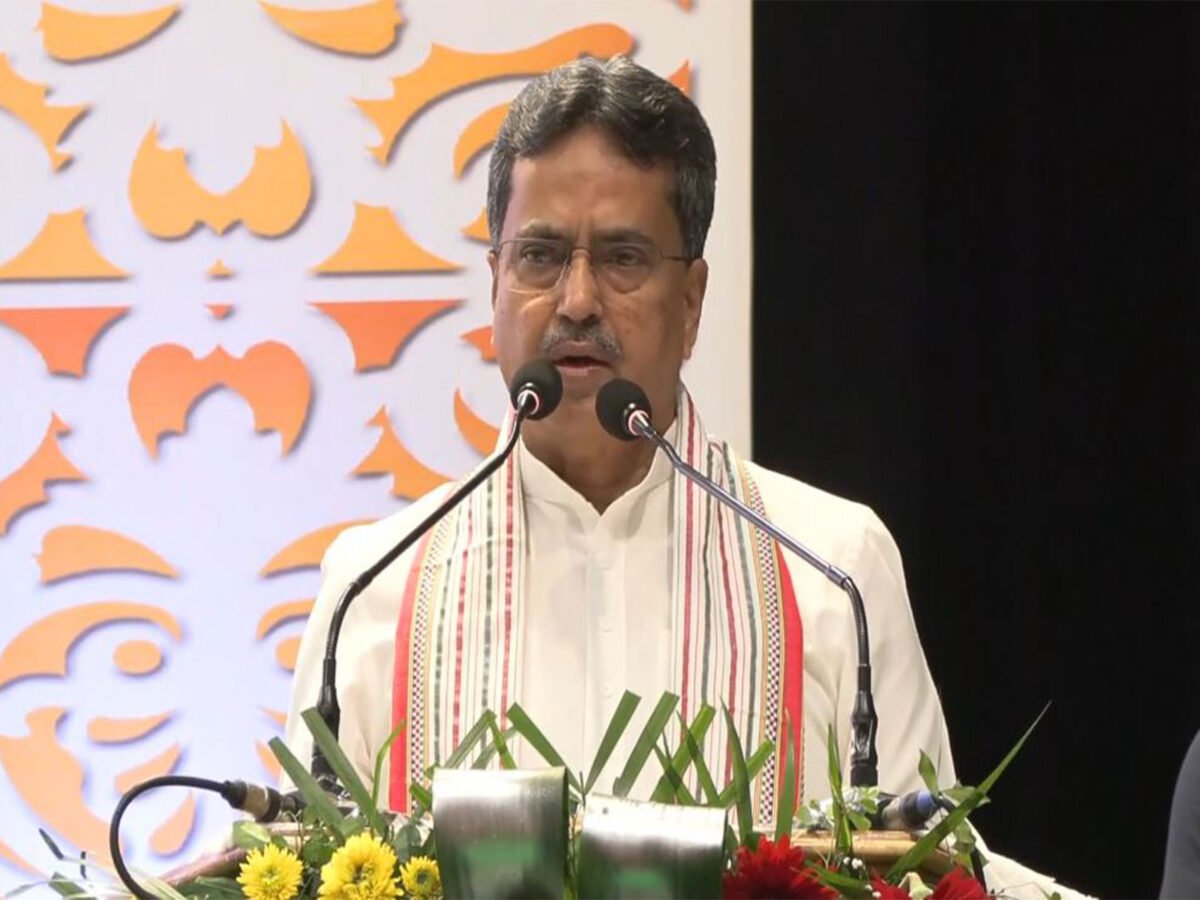
Union Minister Manohar Lal Khattar and Tripura Chief Minister Dr. Manik Saha participated in a major PM SVANidhi loan distribution program aimed at strengthening the livelihoods of street vendors across the state. During the event, eligible beneficiaries received enhanced credit support under the Pradhan Mantri Street Vendor’s AtmaNirbhar Nidhi (PM SVANidhi) scheme, reinforcing the government’s focus on financial inclusion, urban livelihoods, and micro-enterprise development. Moreover, the initiative is expected to boost small-scale entrepreneurship and improve economic resilience among informal sector workers.
Ambubachi Mela Preparations: Leadership Reviews Safety and Health Arrangements at Kamakhya Temple
Assam Launches Special Rural Livelihood Scheme in Dhubri, Expands Guaranteed Employment to 125 Days
Major Credit Assistance Distributed to Street Vendors
The loan distribution event witnessed the allocation of substantial credit assistance to street vendors under the PM SVANidhi scheme. Consequently, beneficiaries gained access to institutional financing designed to support business expansion, improve working capital availability, and reduce dependence on informal borrowing channels.
According to officials, the scheme continues to play a significant role in promoting financial inclusion among urban informal workers. Moreover, access to formal credit enables vendors to strengthen their businesses and improve long-term economic security. Therefore, the latest distribution drive has attracted considerable public and administrative attention.
Government representatives emphasized that expanding access to affordable credit remains an important component of inclusive economic development. As a result, efforts to broaden the reach of the scheme continue across the state.
Meanwhile, authorities remain focused on increasing beneficiary enrollment and improving financial literacy.
PM SVANidhi Scheme Continues to Expand Financial Inclusion
The PM SVANidhi initiative has emerged as a major support mechanism for street vendors by providing collateral-free loans and encouraging participation in the formal financial system. Moreover, the scheme promotes digital transactions and supports the gradual expansion of small businesses. Therefore, policymakers continue to prioritize its implementation.
Economic experts noted that access to institutional credit can significantly improve the financial stability of micro-entrepreneurs. Consequently, targeted lending programs often contribute to employment generation, income enhancement, and economic resilience. Such initiatives help strengthen local economies and support sustainable development.
Furthermore, the availability of structured financial assistance encourages entrepreneurship and business continuity. As a result, beneficiaries are better positioned to expand their operations and improve their livelihoods.
Meanwhile, financial institutions and administrative agencies continue to coordinate implementation efforts.
State and Central Governments Emphasize Livelihood Support
The participation of both Union and state leadership highlights the importance being placed on livelihood enhancement and urban economic development. Moreover, coordinated efforts between the Centre and state governments are expected to strengthen the effectiveness of welfare and development programs. Therefore, the event has been viewed as a significant step toward supporting vulnerable economic groups.
Policy analysts observed that strengthening the informal economy remains essential for inclusive growth and employment generation. Consequently, governments continue to introduce targeted initiatives that improve access to finance, training, and market opportunities. Such measures contribute to broader socio-economic development goals.
Furthermore, the expansion of financial support mechanisms can improve economic participation and strengthen household incomes. As a result, public interest in such programs remains high.
Meanwhile, authorities continue to evaluate opportunities for expanding support to additional beneficiary groups.
Financial Empowerment and Economic Growth Remain Priorities
The latest PM SVANidhi loan distribution drive underscores the broader objective of promoting financial empowerment and strengthening grassroots economic activity. Moreover, policymakers continue to emphasize the importance of supporting small entrepreneurs and informal sector workers through targeted interventions. Therefore, financial inclusion remains a major policy priority.
Experts emphasized that sustained access to affordable credit can improve business sustainability and contribute to long-term economic growth. Consequently, governments and financial institutions continue to strengthen outreach and implementation frameworks. Such efforts can help improve living standards and promote inclusive development.
Furthermore, continued support for street vendors is expected to contribute positively to urban economic ecosystems. As a result, programs like PM SVANidhi are likely to remain important components of public policy.
Conclusion
The PM SVANidhi loan distribution program attended by Union Minister Manohar Lal Khattar and Tripura Chief Minister Manik Saha highlights the continuing emphasis on financial inclusion, livelihood support, and grassroots economic development. Moreover, the initiative demonstrates the importance of coordinated efforts to empower small entrepreneurs and strengthen the informal economy.
As implementation of the scheme continues to expand, its impact on employment generation, financial stability, and economic participation is expected to remain significant. Therefore, programs aimed at supporting street vendors and micro-enterprises will continue to play an important role in India’s broader development strategy.
FAQs
1. What is the PM SVANidhi scheme?
PM SVANidhi is a government initiative that provides collateral-free loans to street vendors to support their businesses.
2. Who participated in the loan distribution event in Tripura?
Union Minister Manohar Lal Khattar and Tripura Chief Minister Dr. Manik Saha participated in the program.
3. Who benefits from the PM SVANidhi scheme?
Street vendors and small informal-sector entrepreneurs are the primary beneficiaries.
4. What is the objective of the scheme?
The scheme aims to promote financial inclusion, entrepreneurship, and livelihood security.
5. Why are such loan distribution programs important?
They help improve access to formal credit, support business growth, and strengthen local economies.