


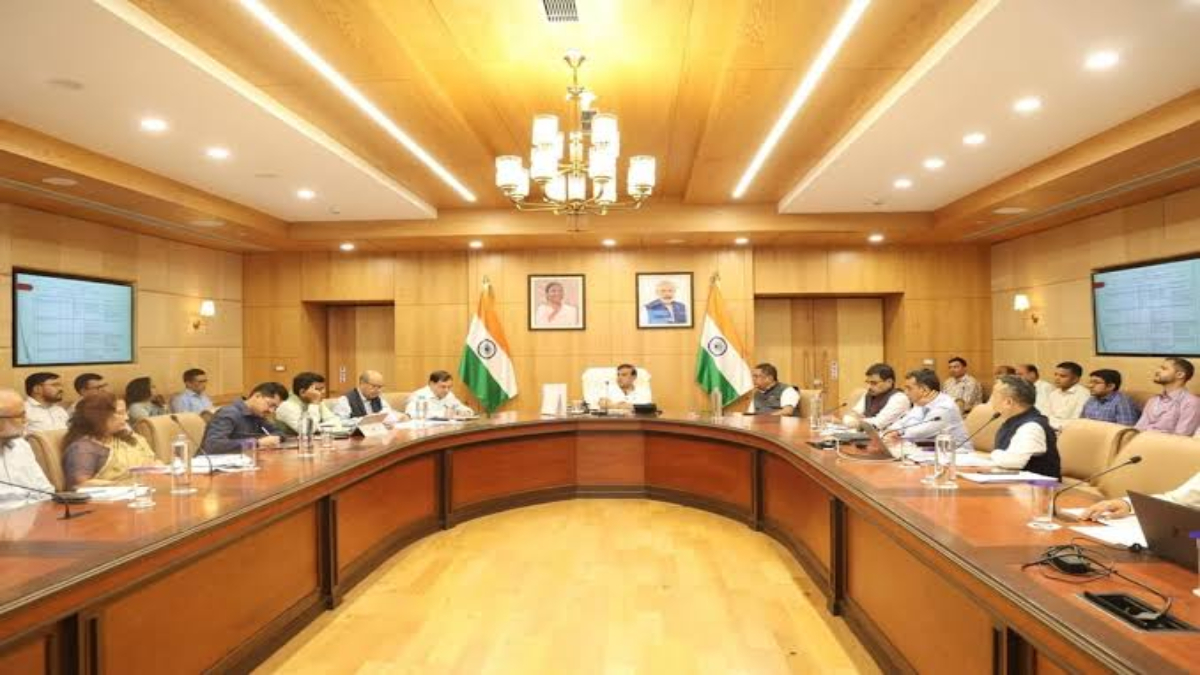
Assam Leader Schools could become the cornerstone of a significant transformation in the state’s education sector after Chief Minister Himanta Biswa Sarma proposed the introduction of a new “Leader Schools” model. The initiative aims to improve the quality of education by creating high-performing schools that will mentor and guide neighbouring institutions. The proposal reflects the Assam government’s continued efforts to strengthen school education through better infrastructure, academic excellence, teacher support, and administrative efficiency.
Himanta Biswa Sarma Unveils the Assam Leader Schools Vision
Chief Minister Himanta Biswa Sarma recently proposed the concept of Assam Leader Schools as part of the state’s broader education reforms. The model is designed to identify selected schools with strong academic performance, capable leadership, and adequate infrastructure, enabling them to serve as mentors for nearby schools.
Under the proposed framework, these Leader Schools would share best teaching practices, academic planning, and administrative strategies with surrounding institutions. The objective is to create a collaborative education ecosystem where successful schools help raise the standards of others instead of functioning in isolation.
The Chief Minister stated that improving educational outcomes requires continuous innovation and better coordination among schools, teachers, and education authorities.
What Are Leader Schools?
The proposed Assam Leader Schools initiative draws inspiration from successful educational models where high-performing schools support the development of neighbouring institutions.
Some of the expected features include:
- Academic mentoring for nearby schools.
- Sharing innovative teaching methodologies.
- Teacher training and professional development.
- Leadership guidance for school administrators.
- Exchange of educational resources and best practices.
- Improved monitoring of student performance.
Rather than focusing only on individual school development, the model seeks to improve the overall education network across districts.
Focus on Quality Education Across Assam
The Leader Schools proposal aligns with the Assam government’s ongoing emphasis on enhancing learning outcomes in government schools.
Over the past few years, the state has introduced several reforms, including improvements in school infrastructure, recruitment of teachers, digital learning initiatives, and better classroom facilities. The latest proposal aims to build upon these efforts by creating institutions that can serve as educational role models.
Education experts believe that collaboration between schools often produces better academic results than isolated reforms, especially in rural and semi-urban regions where access to quality educational resources may be limited.
How Assam Leader Schools Could Benefit Students
If implemented effectively, Assam Leader Schools could offer multiple benefits for students across the state.
Improved Academic Standards
Students studying in schools connected to Leader Schools may gain access to better teaching practices, improved lesson planning, and enhanced classroom learning experiences.
Better Teacher Development
Teachers would have opportunities to participate in mentoring programmes, workshops, and collaborative training sessions conducted by experienced educators from Leader Schools.
Stronger School Leadership
School principals and administrators could receive guidance on effective school management, student assessment, and institutional planning.
Reduced Learning Gaps
The initiative may help bridge educational disparities between well-performing schools and institutions facing academic challenges.
Government’s Continued Push for Education Reforms
Education has remained one of the priority sectors under Chief Minister Himanta Biswa Sarma’s administration. The government has introduced multiple initiatives aimed at improving enrolment, strengthening infrastructure, promoting digital education, and enhancing teacher accountability.
The proposed Leader Schools model complements these reforms by focusing on academic excellence through institutional partnerships instead of relying solely on infrastructure upgrades.
Officials believe that creating a network of high-performing schools can generate long-term improvements in educational quality across Assam.
Implementation Likely Through Phased Approach
Although detailed implementation guidelines are yet to be announced, education officials are expected to identify eligible schools based on specific performance indicators.
Factors that may influence selection include:
- Academic performance of students.
- Availability of qualified teaching staff.
- School infrastructure.
- Administrative efficiency.
- Community engagement.
- Consistent record of educational excellence.
Once selected, these schools may receive additional responsibilities alongside administrative support from the Education Department.
Challenges That Need Attention
While the Assam Leader Schools proposal has received positive attention, successful implementation will depend on several factors.
Teacher availability remains a challenge in some regions, while infrastructure gaps continue to affect certain government schools. Ensuring adequate funding, continuous monitoring, and effective coordination between Leader Schools and partner institutions will be essential.
Experts also stress that mentoring relationships should be collaborative rather than supervisory, allowing schools to learn from each other’s strengths.
A Step Towards Long-Term Educational Excellence
The proposed Assam Leader Schools initiative represents an important step in Assam’s evolving education policy. By encouraging collaboration among schools and promoting the sharing of best practices, the government hopes to improve learning outcomes across the state.
If implemented successfully, the Leader Schools model could strengthen teaching quality, empower school leadership, and create a more balanced education system where every student has access to better learning opportunities. As the government finalises the framework, educators and stakeholders will closely watch how the initiative shapes the future of school education in Assam.