


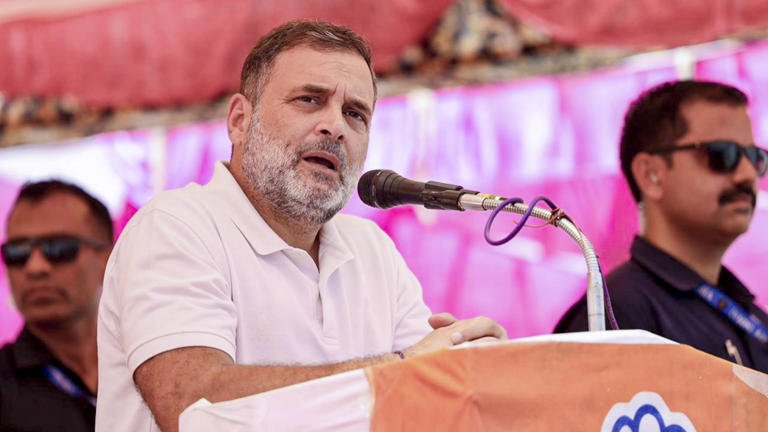
Leader of the Opposition in the Lok Sabha Rahul Gandhi has launched a nationwide campaign focused on education reform, calling upon students across the country to participate in what he described as the “Chhatron Ki Goonj” movement. The initiative aims to create a platform for students to voice concerns, share experiences, and contribute to discussions on improving India’s education system.
Addressing students and youth supporters, Rahul Gandhi emphasized the importance of education as a cornerstone of national development and social progress. He stated that students should play an active role in shaping policies that directly affect their academic future, career prospects, and overall development.
The campaign seeks to bring attention to issues such as access to quality education, examination systems, affordability, employment opportunities, infrastructure, and educational equity. According to Congress leaders, the movement is intended to amplify student voices and encourage broader public engagement on education-related challenges.
The launch comes at a time when education reforms, competitive examinations, skill development, and youth employment remain key topics of national discussion.
Education at the Center of Public Discourse
During the launch of the campaign, Rahul Gandhi highlighted the central role education plays in determining the future of individuals and nations. He argued that a strong and accessible education system is essential for fostering innovation, economic growth, and social mobility.
According to Gandhi, students represent one of the most important stakeholders in the education sector and should therefore have a greater say in discussions concerning reforms and policy decisions. He emphasized that education must not be viewed merely as a pathway to employment but as a means of empowering citizens and strengthening democracy.
The Congress leader stated that the campaign would provide a platform for students from diverse backgrounds to express their concerns and aspirations.
He also stressed the need for continuous dialogue between policymakers, educators, students, and institutions to ensure that educational reforms address real-world challenges.
What is ‘Chhatron Ki Goonj’?
The “Chhatron Ki Goonj” campaign has been introduced as a nationwide student outreach initiative aimed at gathering opinions, feedback, and recommendations from students across India. The phrase, which translates to “Voice of Students,” reflects the movement’s objective of creating a collective platform for youth participation.
Congress leaders described the initiative as an effort to engage directly with students and understand their experiences within the current educational system. Through meetings, interactions, discussions, and outreach activities, the campaign aims to document student concerns and formulate recommendations for reform.
The movement is expected to involve educational institutions, youth organizations, and student communities from various states.
Organizers believe that broad participation can help identify challenges faced by students and contribute to more informed discussions on educational policy.
Concerns Over Examination Systems
One of the issues highlighted during the campaign launch was the growing concern regarding examination systems and academic assessments. In recent years, debates surrounding competitive examinations, entrance tests, evaluation methods, and examination management have gained significant attention.
Rahul Gandhi stated that students often face considerable pressure due to academic competition and uncertainties associated with examinations. He argued that reforms should focus on creating fair, transparent, and efficient systems that reduce stress while maintaining academic standards.
The Congress leader emphasized the need to ensure that examination processes inspire confidence among students and their families. He also called for discussions on how technology and administrative reforms can improve examination management.
Education experts have frequently noted that assessment systems play a crucial role in shaping learning outcomes and educational experiences.
Accessibility and Affordability in Education
Another major theme of the campaign is improving access to quality education. Rahul Gandhi highlighted concerns related to affordability, infrastructure, and educational opportunities, particularly for students from economically weaker sections and rural areas.
He argued that financial constraints should not prevent talented students from pursuing higher education or professional training. According to him, expanding educational access is essential for achieving social equity and inclusive growth.
The campaign seeks to gather student perspectives on barriers to education and identify measures that can help improve accessibility. Discussions are expected to cover scholarships, financial assistance programs, digital learning resources, and institutional support systems.
Supporters of the initiative believe that educational opportunities should be available to all students regardless of socio-economic background.
Linking Education with Employment
Youth employment emerged as another important topic during the launch of the movement. Rahul Gandhi emphasized the relationship between education and employability, arguing that academic institutions should better prepare students for evolving job markets.
He noted that technological advancements, changing industry requirements, and economic transformations are reshaping workforce demands. As a result, educational institutions must adapt their curricula and teaching methods to equip students with relevant skills.
The campaign is expected to explore issues related to skill development, vocational education, internships, industry partnerships, and career guidance.
According to Gandhi, strengthening the connection between education and employment can help address concerns regarding job opportunities and career readiness among young people.
The issue remains a key concern for students and policymakers alike.
Encouraging Student Participation
A central message of the “Chhatron Ki Goonj” campaign is the importance of student participation in public discourse. Rahul Gandhi urged students to engage actively in discussions concerning education and contribute ideas for meaningful reform.
He argued that students possess firsthand experience of the challenges and opportunities within the education system and are therefore uniquely positioned to offer valuable insights.
The Congress leader encouraged young people to share their experiences, propose solutions, and participate in democratic processes. He stated that inclusive policymaking requires listening to those directly affected by educational decisions.
Supporters of the campaign believe that greater student engagement can lead to more responsive and effective educational policies.
The movement seeks to foster dialogue rather than simply present predetermined solutions.
Focus on Educational Equity
Educational equity has emerged as a recurring theme in debates surrounding reform. Rahul Gandhi highlighted disparities in educational access and outcomes across regions, social groups, and economic categories.
He emphasized the need to address gaps in infrastructure, resources, and opportunities that affect students from disadvantaged backgrounds. According to him, achieving equitable access to quality education is essential for social justice and national progress.
The campaign intends to collect perspectives from students across diverse regions, including rural and urban areas. Organizers believe that understanding regional variations can help shape more inclusive educational strategies.
Experts have long argued that reducing inequalities within education systems contributes to broader social and economic development.
Political and Policy Implications
The launch of the campaign also carries political significance as education remains a prominent public policy issue. Student concerns regarding examinations, educational quality, affordability, and employment frequently influence political discourse and policy debates.
By launching “Chhatron Ki Goonj,” Rahul Gandhi and the Congress party aim to position education reform as a central component of their engagement with youth and student communities.
Political observers note that education issues often resonate strongly with younger voters, making them an important area of focus for political parties. The campaign is expected to generate discussions on policy alternatives and potential reforms.
Whether the initiative leads to concrete policy proposals remains to be seen, but it has already succeeded in drawing attention to educational challenges.
Looking Ahead
The launch of the “Chhatron Ki Goonj” movement marks a new effort to engage students in discussions about the future of education in India. By inviting young people to share their experiences and perspectives, Rahul Gandhi has sought to create a platform focused on reform, participation, and dialogue.
The campaign highlights key issues such as examination systems, accessibility, affordability, educational equity, and employment readiness. These concerns continue to shape debates about the direction of India’s education system and its ability to meet the needs of a rapidly changing society.
As the movement expands across different states and institutions, its impact will likely depend on the level of student participation and the quality of discussions it generates. For supporters, the initiative represents an opportunity to amplify student voices and encourage broader engagement with education policy.
In the coming months, “Chhatron Ki Goonj” is expected to contribute to ongoing conversations about how India can strengthen its education system and better prepare future generations for the opportunities and challenges ahead.