


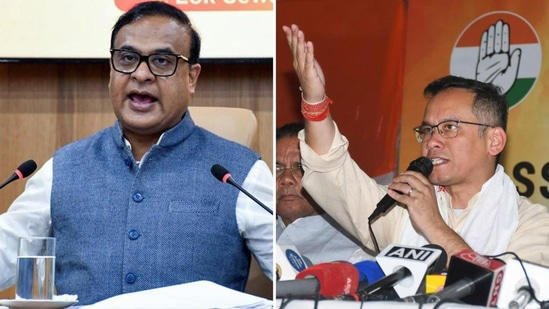
Regional parties Assam election dynamics have become a crucial factor in shaping the political landscape as the state heads into a high-stakes contest. Several regional outfits have aligned with national parties like Congress and BJP, while others have chosen to go solo, creating a complex and competitive electoral scenario.
The evolving alliances highlight the strategic importance of regional players. Their decisions not only influence individual constituencies but also impact the overall electoral outcome. As a result, understanding their positioning is key to analysing Assam’s political contest.
Read More: Manipur Violence: Situation Tense but Under Control in Bishnupur
Regional Parties Align with Congress
A significant number of regional parties have joined hands with the Congress. These alliances are aimed at consolidating opposition votes and presenting a united front against the ruling BJP.
By partnering with Congress, regional parties hope to strengthen their electoral prospects. They bring local influence and grassroots networks. Therefore, such collaborations can enhance vote share.
Congress, on its part, benefits from these alliances. It gains access to regional support bases. Additionally, it can counter the BJP more effectively. As a result, these partnerships play a strategic role.
BJP Secures Support from Select Regional Players
While fewer in number, some regional parties have aligned with the BJP. These alliances reflect the ruling party’s efforts to expand its reach.
By collaborating with regional players, the BJP aims to strengthen its presence in specific constituencies. These partnerships help in addressing local issues more effectively.
Support from regional parties also adds credibility. It signals broader acceptance of the BJP’s governance. Therefore, even limited alliances can have a significant impact.
Several Parties Choose to Go Solo
Interestingly, many regional parties have decided to contest independently. This approach allows them to maintain their identity and focus on local issues.
Going solo provides flexibility. Parties can tailor their campaigns without alliance constraints. However, it also comes with challenges, particularly in terms of resources and vote division.
Despite these challenges, some parties believe that independent contests can yield long-term benefits. They aim to build their base and establish themselves as strong alternatives.
Impact on Electoral Competition
The mix of alliances and solo contests has made the Assam elections more competitive. In several constituencies, multi-cornered fights are expected. This increases unpredictability.
Vote splitting is a key factor. When multiple parties contest, it can affect the outcome significantly. Therefore, even smaller parties can play a decisive role.
Analysts note that regional parties often act as kingmakers. Their performance can influence which major party gains an advantage. As a result, their role is critical.
Key Regional Players in Focus
Among regional parties, leaders like Akhil Gogoi have drawn attention. His party, Raijor Dal, is focusing on grassroots issues and regional identity.
Other regional outfits are also actively campaigning. They are addressing concerns specific to their constituencies. This localised approach helps them connect with voters.
The presence of strong regional leaders adds diversity to the electoral field. It ensures that multiple perspectives are represented.
Voter Sentiment and Local Issues
Regional parties often resonate with voters on local issues. These include development, employment, and infrastructure. Therefore, their campaigns are closely aligned with ground realities.
Voters in Assam have shown interest in regional narratives. Some prefer parties that focus on state-specific concerns. This trend benefits regional players.
However, national issues also play a role. Therefore, voters weigh both local and broader factors. This creates a complex decision-making process.
Strategic Importance of Alliances
Alliances remain a key strategy in Assam elections. They help parties combine strengths and minimise weaknesses. For regional parties, alliances offer access to resources and wider reach.
For national parties, alliances provide local support. They help in navigating constituency-specific challenges. Therefore, partnerships are mutually beneficial.
However, alliances also require careful management. Differences in ideology and strategy can pose challenges. As a result, maintaining cohesion is important.
What Lies Ahead
As the election progresses, the role of regional parties will become clearer. Their performance will influence overall results. Therefore, they remain a key focus.
The regional parties Assam election scenario highlights the complexity of modern politics. With multiple players and strategies, the contest is highly dynamic.
Voters will ultimately decide how these alliances and solo efforts translate into results. The outcome will shape the future political landscape of Assam.
Read More: Manipur Dy CM Loshi Dikho Seeks Support After Bishnupur Killings