


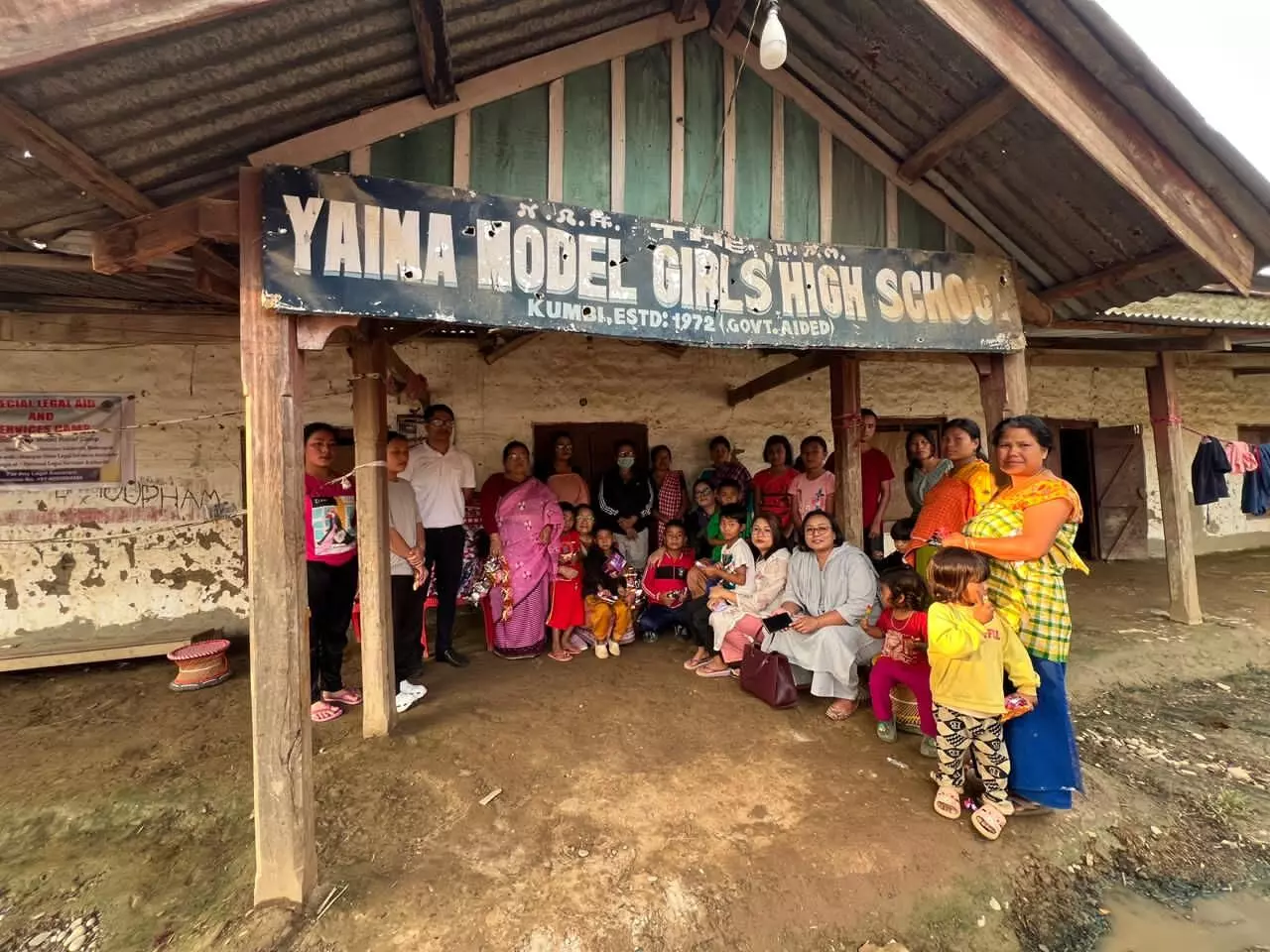
The Relief Camp Operations in Assam continue as the state administration actively manages 55 centralized relief camps for people displaced by the ongoing monsoon crisis. According to the information provided, the camps currently shelter 17,857 people, highlighting the scale of the humanitarian response across affected communities.
Guwahati-Tezpur Corridor Gets Major Boost with Rs 8,970 Crore Cabinet Approval
Relief Camp Operations Continue Across Assam
The Relief Camp Operations currently involve 55 centralized camps established to provide shelter for people displaced by the monsoon situation. The state administration is actively operating these facilities as affected communities continue to face difficult conditions.
A total of 17,857 displaced people are currently staying in the camps, according to the information provided. Moreover, the figure demonstrates the significant number of residents who require temporary shelter during the ongoing crisis.
Centralized relief camps can provide displaced families with a safer temporary location while authorities assess conditions in their home areas. Additionally, organized camps can allow government agencies to coordinate essential assistance more efficiently.
The available information does not provide a district-wise breakdown of the 55 camps or the number of people staying at each location.
Therefore, the current figures should be understood as the overall reported number of camps and residents under the state administration’s relief operation.
Relief Camp Operations Support Displaced Communities
The Relief Camp Operations form an important part of the wider emergency response because displacement can leave families without immediate access to their homes and normal living arrangements.
Furthermore, centralized camps allow authorities to bring displaced residents together in designated locations where relief services can be coordinated. The 17,857 people currently sheltering in these facilities represent a substantial population requiring continued administrative attention.
Camp management also requires regular monitoring because the number of displaced residents can change as conditions evolve. Consequently, authorities may need to adjust resources depending on new displacement or the return of residents to their homes.
However, the available information does not specify the services currently available at each camp. It also does not provide details about food supplies, medical facilities, sanitation arrangements, or other forms of assistance.
Therefore, those details should not be assumed without official confirmation.
55 Camps Shelter 17,857 Displaced People
The scale of the Relief Camp Operations can be seen in the combination of 55 centralized camps and 17,857 displaced residents. These figures indicate that the response involves a substantial network of temporary shelters.
Moreover, managing thousands of displaced people across dozens of facilities requires coordination between state authorities and local administrative teams.
The number of residents in camps can also fluctuate depending on flood conditions. As water levels change and affected areas become accessible, some families may leave shelters and return home, while others may require temporary accommodation.
Additionally, new flooding or worsening conditions could increase the need for shelter in other locations.
The information provided does not indicate how long the 17,857 residents have remained in the camps or when authorities expect the facilities to close.
Consequently, the current figures provide a snapshot of the ongoing relief operation rather than a final assessment of displacement.
Why Relief Camp Operations Matter
The Relief Camp Operations highlight the humanitarian dimension of Assam’s ongoing monsoon crisis. Displacement can create immediate challenges for families, particularly when homes become inaccessible or unsafe.
Furthermore, centralized shelters provide authorities with locations where they can monitor displaced populations and coordinate emergency support.
The operation of 55 camps also demonstrates the need for continued administrative coordination. Officials must monitor occupancy, maintain essential arrangements, and assess changing requirements as the situation develops.
However, sheltering displaced residents is only one part of a broader recovery process. Once conditions improve, authorities may also need to assess damaged homes, infrastructure, livelihoods, and other community needs.
Therefore, the continued operation of relief camps should be viewed within the wider disaster-response and rehabilitation effort.
As the situation evolves, official updates could provide further information about camp occupancy and the movement of displaced residents.
Conclusion
The Relief Camp Operations in Assam currently involve 55 centralized camps sheltering 17,857 displaced people. The figures demonstrate the scale of temporary displacement caused by the ongoing monsoon situation and the administrative effort required to support affected communities.
Moreover, centralized camps provide an organized framework for accommodating residents who cannot immediately return home. Continued monitoring remains important because camp populations can change as weather and flood conditions develop.
Overall, the Relief Camp Operations represent a significant part of Assam’s humanitarian response. With thousands of people still relying on temporary shelter, further official updates will remain important for tracking camp occupancy, changing displacement levels, and the eventual transition from emergency shelter to longer-term rehabilitation.
FAQs
1. How many relief camps are currently operating?
The state administration is actively operating 55 centralized relief camps, according to the information provided.
2. How many displaced people are staying in the camps?
A total of 17,857 displaced people are currently sheltering in the 55 centralized relief camps.
3. Why are the relief camps operating?
The camps provide temporary shelter for people displaced by the ongoing monsoon and flood situation.
4. Could the number of people in the camps change?
Yes. Camp occupancy can change as flood conditions evolve, with some residents potentially returning home while others may require temporary shelter.
5. Are details about services at the camps available?
The information provided does not specify the services available at individual camps. Further details would need confirmation from the state administration.