


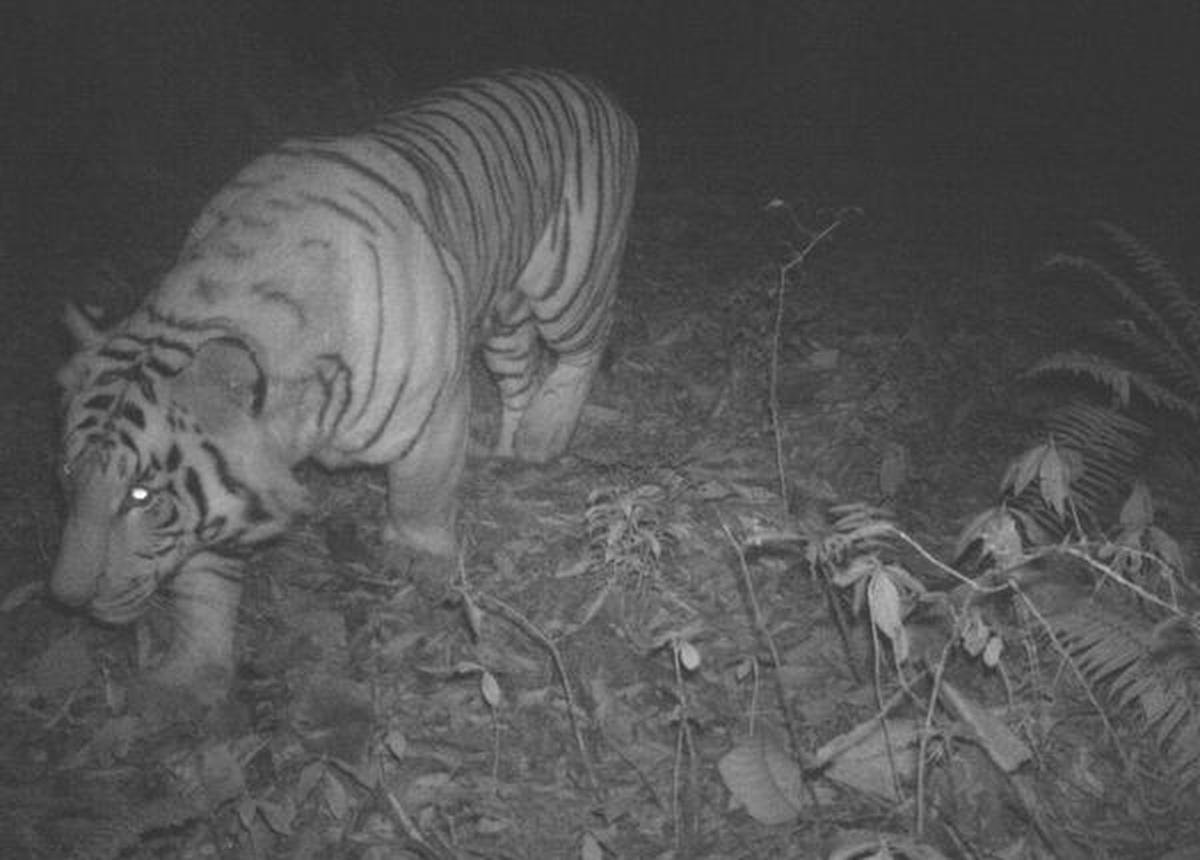
A rare and encouraging wildlife development has emerged with the Royal Bengal tiger sighting Arunachal being confirmed in the D’Ering Wildlife Sanctuary after more than two decades. The photographic evidence marks a significant milestone for wildlife conservation in the region and has sparked renewed interest in biodiversity protection efforts.
The Royal Bengal tiger sighting Arunachal highlights the successful conservation measures implemented by forest authorities and conservation groups working to restore natural habitats in the northeastern forests.
Assam Snakehead Fish Breeding Marks Fisheries Breakthrough
Statewide Lok Adalat Set to Resolve Pending Cases Across Courts
Historic Tiger Sighting After Two Decades
The Royal Bengal tiger sighting Arunachal was recorded in the protected forest area of D’Ering Wildlife Sanctuary, making it the first confirmed photographic evidence of the species in over 20 years.
Wildlife officials confirmed that camera traps installed deep inside the sanctuary captured clear images of the tiger, signaling a positive shift in habitat conditions. The Royal Bengal tiger sighting Arunachal is being seen as a major ecological breakthrough for the region.
Forest experts believe that reduced human interference and improved habitat protection have contributed to the return of the species.
Significance for Conservation Efforts
The Royal Bengal tiger sighting Arunachal is a strong indicator of successful conservation strategies implemented over the past several years. The presence of apex predators like tigers suggests a healthy and balanced ecosystem.
The Royal Bengal tiger sighting Arunachal reinforces the importance of ongoing protection measures within the D’Ering Wildlife Sanctuary, which serves as a critical habitat for several endangered species.
Conservationists have praised the efforts of forest departments and local communities for contributing to habitat restoration and anti-poaching initiatives.
Role of Protected Areas in Biodiversity Recovery
The Royal Bengal tiger sighting Arunachal underscores the importance of protected areas in preserving India’s rich biodiversity. Sanctuaries like D’Ering Wildlife Sanctuary provide safe environments for wildlife to thrive without significant human disturbance.
Experts note that the Royal Bengal tiger sighting Arunachal reflects improved ecological conditions, including increased prey populations and better forest cover.
Such sightings also highlight the success of long-term conservation policies aimed at restoring natural wildlife corridors.
Scientific and Ecological Importance
The Royal Bengal tiger sighting Arunachal has attracted attention from wildlife researchers and ecologists studying species movement in northeastern India. It provides valuable data on tiger migration patterns and habitat recovery.
Scientists believe the Royal Bengal tiger sighting Arunachal may indicate connectivity between forest regions that were previously fragmented. This could help in designing better conservation strategies in the future.
The discovery also contributes to India’s broader tiger conservation database, supporting national wildlife monitoring efforts.
Community and Forest Department Response
Local communities and forest officials have welcomed the Royal Bengal tiger sighting Arunachal as a positive environmental milestone. Awareness campaigns are being strengthened to ensure continued protection of wildlife habitats.
The Royal Bengal tiger sighting Arunachal has also encouraged greater community participation in conservation activities, including reporting illegal activities and supporting eco-tourism initiatives.
Officials emphasized that maintaining harmony between human settlements and wildlife is crucial for long-term conservation success.
Conclusion
The Royal Bengal tiger sighting Arunachal in the D’Ering Wildlife Sanctuary marks a historic moment in India’s wildlife conservation journey. After more than two decades, the return of this apex predator signals ecological recovery and successful conservation efforts.
The Royal Bengal tiger sighting Arunachal stands as a powerful reminder of the importance of protecting natural habitats and continuing efforts to preserve India’s rich biodiversity for future generations.
FAQs
1. Where was the tiger spotted?
It was spotted in the D’Ering Wildlife Sanctuary.
2. What species was seen?
A Royal Bengal tiger was photographed in the sanctuary.
3. Why is this sighting important?
It indicates successful wildlife conservation and habitat recovery.
4. When was the last sighting reported?
The species had not been officially recorded in over 20 years in the area.
5. What does this mean for conservation?
It suggests improved ecosystem balance and stronger protection measures.
6. Who confirmed the sighting?
Forest officials using camera trap evidence confirmed the sighting.