


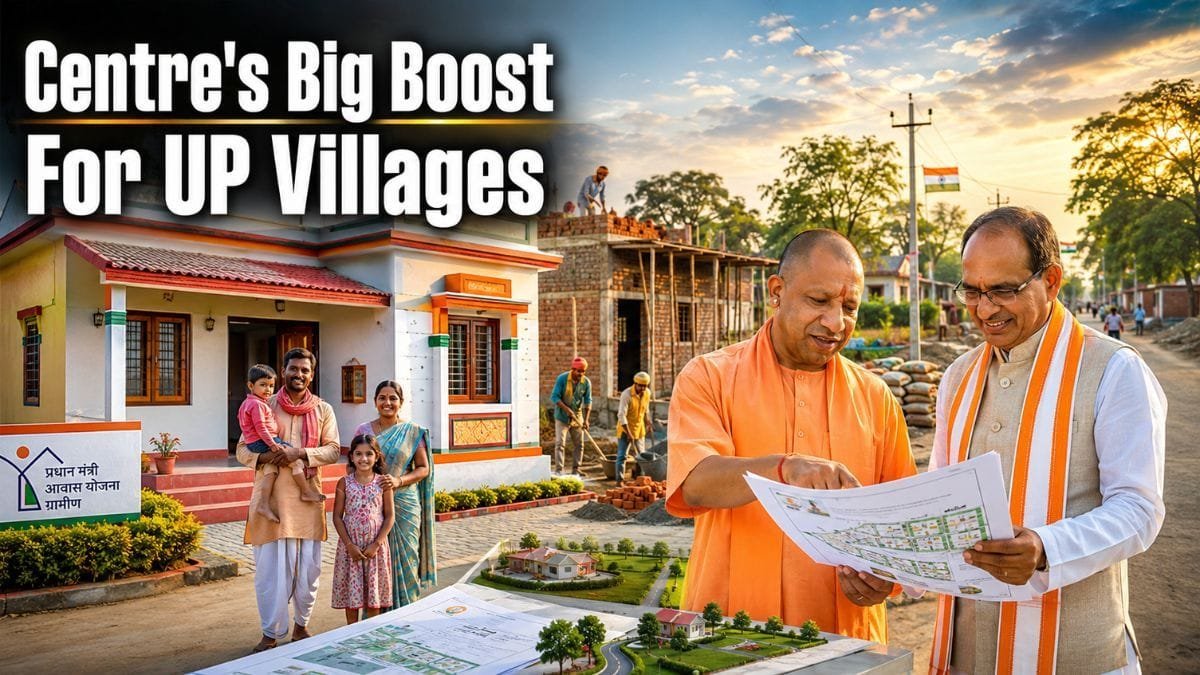
Rural Development Minister Kishor Barman urged the Central Government on June 30 to expedite the release of pending funds under the Mahatma Gandhi National Rural Employment Guarantee Act (MGNREGA) and approve an additional allocation of 1.50 lakh houses under the Pradhan Mantri Awaas Yojana-Gramin (PMAY-G). The request was made amid ongoing efforts to strengthen rural infrastructure, housing security, and employment generation across the state. Moreover, the minister emphasized the importance of timely financial assistance to ensure the uninterrupted implementation of welfare and development schemes in rural areas.
Tripura Police Crack Two Human Trafficking Cases, Rescue Four Missing Minor Girls
Cross-Border Arms Intercept Foils Smuggling
State Seeks Immediate Release of Pending MGNREGA Funds
PMAY-G housing demand gained renewed attention after Rural Development Minister Kishor Barman appealed for the immediate clearance of pending MGNREGA funds. Consequently, the state government highlighted the need for uninterrupted financial support to sustain rural employment programs.
Officials stated that delayed fund disbursement could impact ongoing development works and employment opportunities in rural communities. Moreover, MGNREGA remains a critical source of livelihood support for thousands of households. Therefore, the timely release of pending allocations has become a key administrative priority.
The minister emphasized that adequate funding is essential to maintain the momentum of rural development initiatives. Furthermore, efficient financial support mechanisms contribute to improved implementation outcomes. As a result, the state has requested urgent consideration of its proposal.
Meanwhile, rural development departments continue to monitor the progress of ongoing projects. Consequently, authorities remain focused on minimizing disruptions to public welfare programs.
Additional 1.50 Lakh PMAY-G Houses Requested
The state’s demand for an additional 1.50 lakh houses under the Pradhan Mantri Awaas Yojana-Gramin formed a major component of the minister’s appeal. Moreover, housing assistance programs continue to play a significant role in improving living standards in rural regions. Therefore, expanding the housing allocation has been identified as a priority objective.
Officials noted that the demand for affordable housing assistance remains substantial across various districts. Consequently, additional sanctions under PMAY-G could support vulnerable and economically weaker households. Such initiatives contribute significantly to social and economic development.
Furthermore, expanded housing programs can generate employment opportunities while improving rural infrastructure. As a result, authorities have emphasized the broader developmental benefits of increased housing allocations.
Meanwhile, administrative departments continue to assess housing requirements across rural areas. Similarly, beneficiary identification processes remain ongoing.
Rural Development and Welfare Programs Remain Key Priorities
The appeal made by the Rural Development Minister reflects the continuing importance of welfare schemes in supporting rural communities. Moreover, employment and housing programs remain central components of broader development strategies. Therefore, adequate financial support remains essential.
Officials emphasized that integrated rural development initiatives contribute to poverty reduction, infrastructure improvement, and economic growth. Consequently, coordination between central and state governments remains crucial. Such cooperation strengthens the implementation of public welfare programs.
Furthermore, investments in rural housing and employment generation support long-term socioeconomic development objectives. As a result, policymakers continue to prioritize these sectors.
Meanwhile, monitoring and evaluation mechanisms remain in place to ensure effective implementation. Similarly, authorities continue to review future requirements and development targets.
Centre-State Coordination Critical for Development Goals
The request for additional housing allocations and pending fund releases highlights the importance of strong coordination between central and state governments. Moreover, successful implementation of large-scale welfare programs requires timely administrative and financial support. Therefore, collaborative governance remains essential.
Officials noted that effective coordination can accelerate development outcomes and improve service delivery. Consequently, discussions regarding resource allocation and program expansion continue. Such cooperation supports the achievement of broader national development goals.
Furthermore, rural development initiatives remain an important component of inclusive growth strategies. As a result, governments continue to focus on strengthening welfare delivery systems.
Meanwhile, stakeholders remain optimistic that continued dialogue will facilitate progress on pending proposals. Similarly, development agencies continue to support implementation efforts.
Conclusion
The appeal by Rural Development Minister Kishor Barman for the release of pending MGNREGA funds and the sanctioning of an additional 1.50 lakh houses under PMAY-G underscores the importance of sustained investment in rural welfare and development programs. Moreover, the request highlights the ongoing demand for employment support and affordable housing across rural communities.
The development reflects the critical role of coordinated governance, financial support, and welfare initiatives in promoting inclusive growth. Therefore, continued collaboration between state and central authorities remains vital.
As discussions on funding and housing allocations continue, policymakers remain focused on strengthening rural livelihoods, improving housing access, and advancing development objectives.
FAQs
1. Who made the appeal regarding PMAY-G and MGNREGA?
Rural Development Minister Kishor Barman made the appeal.
2. When was the request submitted?
The request was raised on June 30.
3. What did the minister request under PMAY-G?
He sought approval for an additional 1.50 lakh houses.
4. Why was the release of MGNREGA funds requested?
To ensure uninterrupted implementation of rural employment and development programs.
5. Why are PMAY-G and MGNREGA important?
They support affordable housing, employment generation, and rural development.