


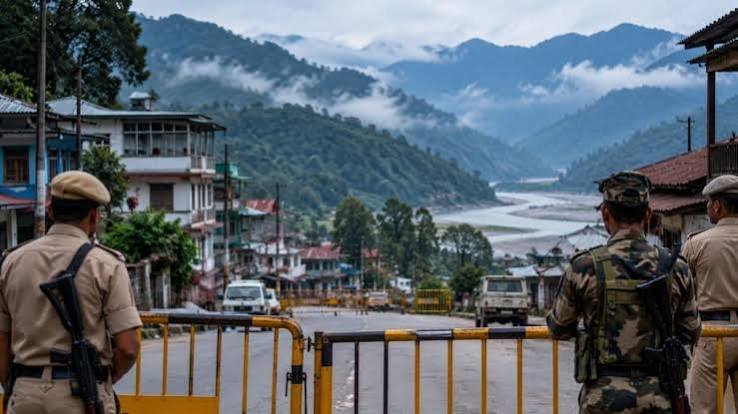
Security arrangements have intensified across parts of Arunachal Pradesh’s Upper Siang and Upper Subansiri districts amid two separate infrastructure-related concerns. In Upper Siang, additional personnel have been deployed as authorities prepare for the pre-feasibility process for the proposed Siang Upper Multipurpose Project (SUMP). Meanwhile, organisations in Upper Subansiri have renewed calls for stronger border infrastructure and security measures.
The developments reflect different pressures in Arunachal’s upper districts. While SUMP-related deployments have triggered opposition from sections of the local population, frontier groups have sought better roads, communications and security facilities in remote border areas. Consequently, authorities face the challenge of balancing infrastructure plans, security requirements and local concerns.
Arunachal Hosts First-Ever Official Coffee Workshop to Map Cash Crop Potential
Upper Siang Security Buildup Draws Local Opposition
The security buildup in Upper Siang has become closely linked to preparations for the proposed SUMP. The project has a proposed capacity of more than 10,000 MW and covers areas in Siang and Upper Siang districts. However, sections of the Adi community have opposed the proposed pre-feasibility report (PFR) process.
On September 26, Rural Development and Panchayati Raj Minister Ojing Tasing reviewed preparations for the PFR in Yingkiong. He chaired a meeting involving administrative officials, department heads and paramilitary personnel. Moreover, the minister called for continued public engagement and transparent communication during the process.
Officials have maintained that the PFR represents an initial technical and feasibility assessment. Therefore, it does not itself amount to final approval for construction. The government has also said that the process should establish whether the proposed project is technically feasible and assess its possible implications.
Despite those assurances, the proposed survey has faced strong local resistance. Villagers have objected to both the PFR process and the presence of additional security personnel in affected areas. In Geku, residents reportedly demanded the withdrawal of personnel deployed in connection with the project.
Protests Escalate During Pema Khandu’s Visit
Chief Minister Pema Khandu visited Siang and Upper Siang on September 29 and 30 as opposition to the SUMP PFR process continued. During the visit, protesters held demonstrations and blocked roads in several locations. The protests reflected concerns over the project as well as demands for direct public dialogue.
At Dite Dime, villagers from several communities reportedly held a “No PFR, No Armed Forces” protest. They said they expected an open meeting with the chief minister rather than discussions limited mainly to officials and elected representatives. Meanwhile, representatives of the Siang Indigenous Farmers’ Forum called for direct engagement with affected communities.
The situation later became more tense. According to reports, roads were blocked along parts of the Yingkiong-Komkar-Geku route and toward Dite Dime. Additional forces had also become a major point of contention among protesters. The Arunachal Times reported that a vehicle involved in deployment was set on fire at Dite Dime, while other reports said an MLA’s residence was allegedly vandalised during the unrest.
Khandu has continued to distinguish the PFR from final project approval. During the visit, he said the government wanted to conduct the preliminary assessment rather than announce immediate construction. He also indicated that he would return to the region for wider consultations with residents.
Upper Subansiri Raises Separate Border Infrastructure Concerns
The security discussion extends beyond the SUMP-affected areas. In Upper Subansiri, community organisations have urged authorities to strengthen infrastructure and security along remote frontier areas near the Line of Actual Control.
The Arunachal Frontier Tribal Front recently called for a reassessment of border infrastructure and connectivity in Taksing, Maja, Galem and Limiking. Following a ground visit, the organisation said difficult terrain and inadequate connectivity remained concerns for residents and security personnel. It also called for stronger roads, communication networks and basic facilities.
Similarly, the Tagin Cultural Society submitted a memorandum seeking faster infrastructure development in the Taksing-Maja-Asapila sector. Its demands included upgrading the Daporijo-Taksing road and examining improved connectivity to strategically important areas. The organisation also sought stronger logistical and security arrangements based on operational requirements.
These demands have gained attention amid allegations by local organisations regarding Chinese activity near the frontier. Such claims remain allegations by the groups involved and should not be treated as independently established facts. Nevertheless, the concerns have intensified calls for better administrative reach, communications and civilian infrastructure in remote border settlements.
Infrastructure and Security Remain Closely Connected
The situation in Upper Siang and Upper Subansiri highlights two different dimensions of Arunachal Pradesh’s infrastructure debate. In Upper Siang, security deployment has become associated with a proposed hydropower survey that sections of the local population oppose. In Upper Subansiri, meanwhile, community organisations are asking for stronger infrastructure partly because of the strategic importance of frontier settlements.
Road connectivity remains central to both discussions. Better roads can improve access for residents and government services while also supporting emergency response and logistics. The Tagin Cultural Society specifically linked the Daporijo-Taksing road to civilian movement, administration, emergency services and security requirements.
At the same time, the SUMP situation demonstrates that infrastructure development can create local tensions when communities remain concerned about land, surveys and project implications. The state government has stressed dialogue and due process, while protesters have demanded that consultations take place before survey-related activities proceed.
Therefore, the immediate challenge involves more than physical construction or personnel deployment. Authorities also need to maintain communication with communities and clearly explain the purpose and limits of proposed activities. In Upper Siang, officials have already been directed to document public feedback and provide regular reports on field developments and community interactions.
Conclusion
The security buildup in Arunachal’s upper districts reflects two distinct but overlapping concerns. In Upper Siang, additional security arrangements have accompanied preparations for the SUMP PFR process, triggering protests from sections of the local population. In Upper Subansiri, community organisations continue to seek stronger border infrastructure, connectivity and security measures.
The developments show why the Arunachal upper districts security debate requires careful coordination between government agencies and local communities. Moreover, infrastructure projects and frontier development carry different implications depending on their location and purpose. As authorities move forward, transparent communication and documented public engagement will remain important, particularly in areas where security requirements and local concerns intersect.
FAQs
What is driving the Arunachal upper districts security buildup?
The security buildup has different causes. In Upper Siang, it relates mainly to preparations for the proposed SUMP PFR process. In Upper Subansiri, organisations have called for stronger frontier security and infrastructure.
What is the Siang Upper Multipurpose Project?
The SUMP is a proposed large hydropower and multipurpose project in the Siang and Upper Siang areas. Its proposed capacity exceeds 10,000 MW.
Does the PFR mean the SUMP has received final approval?
No. Officials have clarified that the PFR involves preliminary surveys and technical assessments. It does not itself constitute final approval for implementing the project.
Why are local groups demanding better border infrastructure?
Groups in Upper Subansiri have highlighted concerns about road connectivity, communications, administrative access and logistical requirements in remote frontier areas.
Why has security deployment become controversial in Upper Siang?
Sections of the local population have opposed the proposed PFR process and the deployment of additional personnel in project-affected areas. They have demanded withdrawal of the forces and greater direct dialogue over the project.