

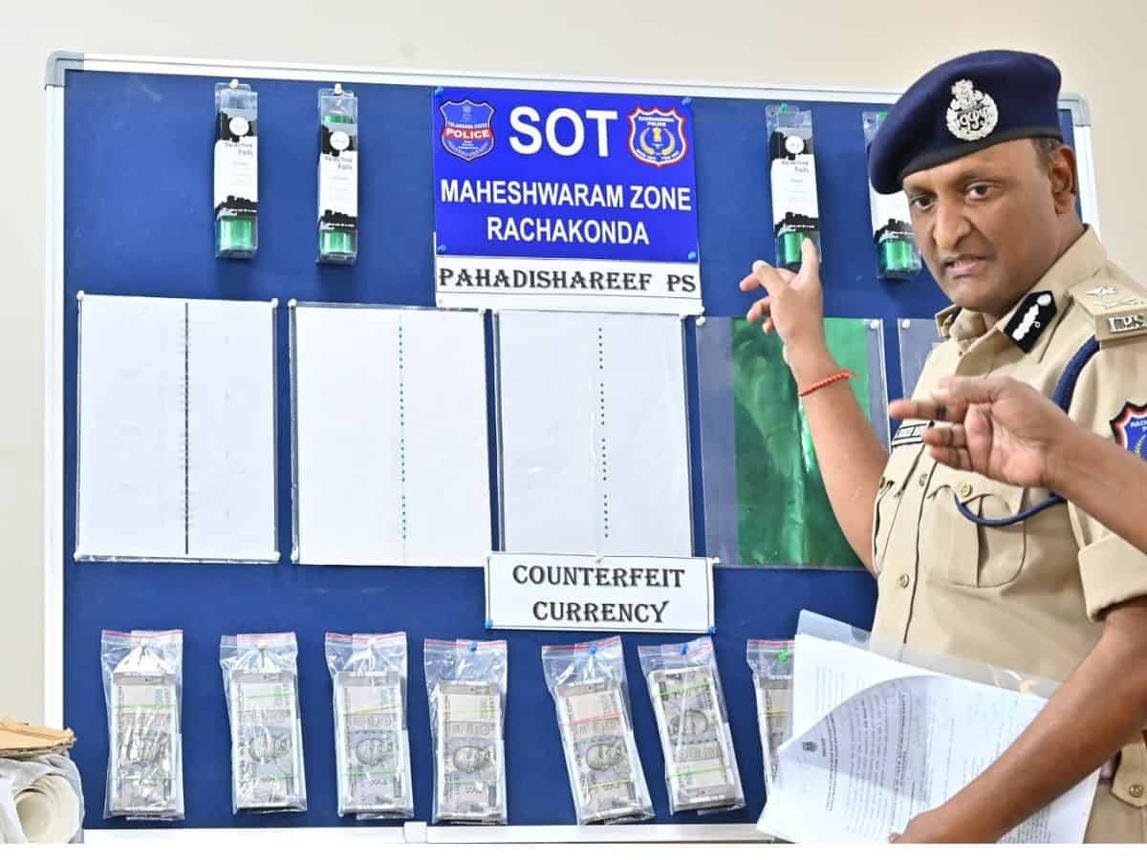
In a significant crackdown, Tripura Police arrested a 24-year-old man, Amir Hossain, in Sonamura, Sepahijala district, for allegedly circulating fake ₹500 currency notes. Authorities recovered 16 counterfeit notes after he attempted to use them at a shopping mall and a local shop. This Sonamura fake currency case has raised concerns about illegal currency circulation and emphasizes the need for vigilance among citizens and businesses.
Stunning Urvashi Rautela High-Profile Look March 2026 Goes Viral
Incident Details: What Happened in Sonamura
The accused, Amir Hossain (24), was apprehended in Sonamura town.
- He allegedly tried to circulate fake ₹500 notes at:
- A local shopping mall
- A nearby retail shop
- Shopkeepers noticed irregularities in the notes, such as poor print quality and missing security features.
- Police intervened promptly and recovered 16 counterfeit ₹500 notes from him.
Thanks to quick action by shopkeepers and authorities, the counterfeit notes did not spread further, preventing potential financial losses in the community.
Atal Cup 2026: Mohanpur Cricket Goes High-Tech
Police Action and Investigation
Following the arrest in this Sonamura fake currency case:
- Police immediately detained the accused and registered a formal case under sections dealing with counterfeit currency.
- Authorities are investigating:
- The source of the fake notes
- Possible links to larger counterfeit networks operating in Tripura or neighboring states
- Officials warned that strict action will be taken against anyone involved in such illegal activities, signaling zero tolerance for currency fraud.
This swift response also reassures local residents and businesses that law enforcement is actively protecting economic integrity.
Impact on the Local Community
The Sonamura fake currency case has had a notable effect on the local community:
- Shopkeepers alerted: Business owners are now more careful when accepting cash payments.
- Public awareness: Residents are becoming more vigilant about identifying counterfeit notes.
- Economic implications: Fake currency can disrupt local trade and damage trust in financial transactions.
- Community reassurance: Police action restores confidence and strengthens public faith in law enforcement.
By creating awareness and encouraging vigilance, such cases reduce the risk of counterfeit notes circulating in local markets.
How to Identify Fake ₹500 Notes
Authorities advise citizens to check the following security features before accepting cash:
- Watermark: Mahatma Gandhi’s portrait visible under light.
- Security thread: Embedded with inscriptions.
- Color-shifting ink: Numerals change color when tilted.
- Raised printing: Tactile identification on denomination numbers.
- See-through register: Numerals align when held against light.
Awareness of these features helps prevent financial loss and protects the community from counterfeit operations.
Broader Implications
The Sonamura fake currency case highlights the growing need for financial literacy and vigilance at the grassroots level. With more people engaging in retail, local markets, and small businesses, even a small counterfeit circulation can affect hundreds of transactions. Local authorities are planning awareness campaigns and workshops to educate shopkeepers and the public on detecting fake notes, reinforcing community resilience against such crimes.
Conclusion
The Sonamura fake currency case underscores the importance of vigilance, rapid reporting, and strict law enforcement. By arresting Amir Hossain and seizing 16 counterfeit ₹500 notes, authorities have taken decisive action to prevent illegal currency circulation. Continued cooperation between citizens, businesses, and police will be key in tackling counterfeit crimes effectively and maintaining economic stability in Tripura.
FAQs (Frequently Asked Questions)
1. Who was arrested in the Sonamura fake currency case?
A 24-year-old man named Amir Hossain was arrested for allegedly circulating counterfeit ₹500 notes.
2. How many fake notes were recovered?
Police recovered 16 fake ₹500 notes from the accused.
3. Where did the incident take place?
The incident occurred in Sonamura, Sepahijala district, Tripura.
4. How was the accused caught?
Shopkeepers noticed irregularities in the notes and reported them, leading to police intervention.
5. What action has the police taken?
Police registered a case and launched an investigation into the source of counterfeit currency.
6. How can people identify fake currency?
Check watermarks, security threads, color-shifting ink, raised printing, and see-through registers on notes.
7. What are the broader lessons from this case?
It highlights the importance of financial literacy, vigilance in markets, and timely reporting of suspicious currency.