


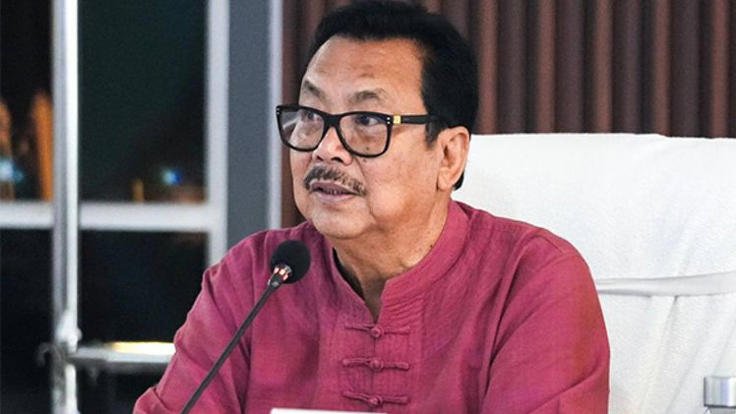
Arunachal Pradesh Deputy Chief Minister Chowna Mein has defended the proposed Siang Upper Multipurpose Project (SUMP), saying its primary objective is water storage and regulation rather than electricity generation.
Mein, who also holds the power and hydropower portfolios, said the proposed 11,200 MW project should not be compared with China’s planned mega dam upstream solely on the basis of their power-generation capacities. He argued that the two projects have different purposes and that the Siang project is being planned with water management and downstream safety as major considerations.
His remarks come amid growing concerns over China’s proposed hydropower project on the Yarlung Tsangpo, which becomes the Siang after entering Arunachal Pradesh.
China’s Proposed Medog Project Raises Concerns
China is planning a massive hydropower project on the Yarlung Tsangpo in Tibet, known as the Medog project. The project has been reported to have a proposed generation capacity of around 60,000 MW.
According to Mein, the Chinese project is primarily focused on hydropower generation, while the proposed SUMP has a different purpose. The Arunachal project is planned with a dam height of around 280-300 metres and approximately 9.2 billion cubic metres of live storage.
Mein said the comparison should therefore focus not only on megawatts but also on the amount of water that can be stored and regulated.
‘Power Generation Is Secondary’
The Deputy Chief Minister stressed that electricity generation would be a secondary function of the Siang project.
He said the project’s central purpose would be to store, regulate and manage water in the Siang basin. According to the government, this could become particularly important if there are sudden releases or extreme flows from upstream.
The proposed storage capacity could help regulate downstream discharge and reduce flood risks in the Siang basin as well as downstream areas of Arunachal Pradesh and Assam.
Mein said the project should therefore be viewed primarily from the perspective of protecting the river basin and communities living along the Siang and its tributaries.
Flood Management as a Key Objective
One of the government’s main arguments in favour of the project is its potential role in managing extreme water flows.
The Siang is an important river system for Arunachal Pradesh and eventually joins the Brahmaputra in Assam. Any major change in water flow upstream could have consequences for downstream areas.
Mein has argued that a large storage facility in Arunachal Pradesh could provide greater control over downstream discharge. In the event of sudden releases from upstream, the reservoir could potentially help moderate the flow and reduce the risk of flooding.
The project could also store water during periods of high rainfall and help regulate availability during lean periods.
Local Opposition Continues
Despite the government’s arguments, the proposed project has faced opposition from sections of the local population in the Siang region.
Protesters have demanded that the ongoing Pre-Feasibility Report activities and survey work for the project be stopped. They have also raised concerns over the deployment of security personnel in areas that could be affected by the proposed dam.
The opposition reflects concerns about the project’s possible environmental, social and cultural impact on communities living in the Siang region.
The government, meanwhile, has maintained that local concerns will have to be considered during the assessment and consultation process.
Government Says Project Could Boost Development
Apart from water management and energy security, the state government has highlighted the potential economic benefits of the project.
Officials have said the project could generate employment and self-employment opportunities for local youth while contributing to economic and social development in the region.
The project is proposed to be executed by the National Hydroelectric Power Corporation (NHPC) and is among the largest hydropower projects planned in Arunachal Pradesh.
However, the government has stressed that the project has not yet reached the stage of a final construction decision.
Feasibility Studies Still Underway
Mein clarified that the current Pre-Feasibility Report is only an initial assessment. Its purpose is to determine whether the project is technically feasible and whether it can be developed safely.
Several further stages would have to be completed before construction could begin. These include detailed technical studies, consultations and statutory clearances.
This means that the final shape and viability of the project will depend on the findings of these studies and the regulatory process that follows.
Siang Project Remains a Major Debate
The Siang Upper Multipurpose Project has become an important issue involving water security, flood management, energy generation, environmental concerns and regional geopolitics.
For the Arunachal Pradesh government, the project is primarily about protecting the Siang basin and managing water flows, with power generation described as a secondary benefit. For sections of the local population, however, concerns over the project’s environmental and social consequences remain significant.
With China’s upstream dam plans adding a strategic dimension to the debate, the future of the Siang project will depend on the findings of ongoing studies, consultations with affected communities and the subsequent statutory approval process.