


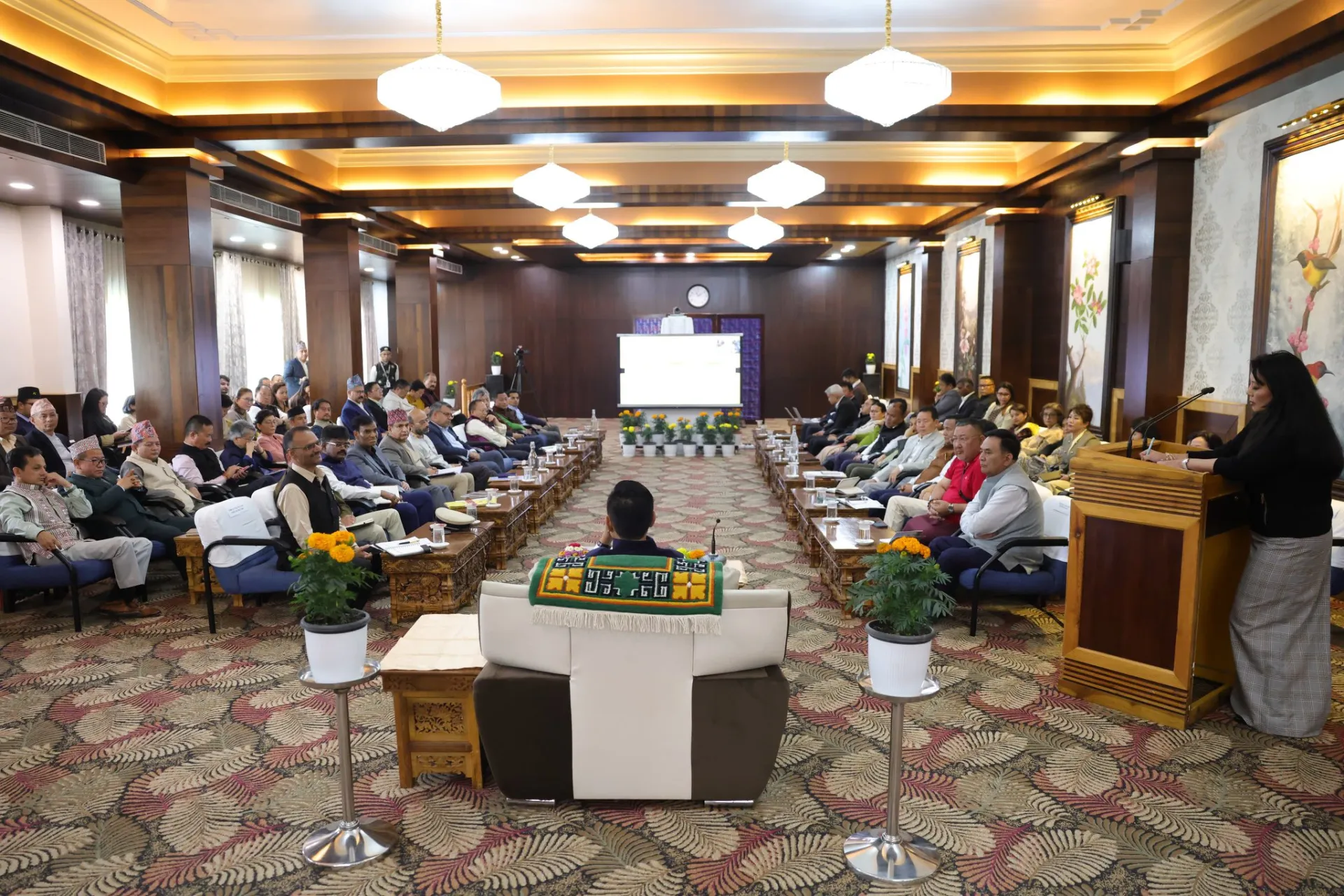
Sikkim Government Halves Official security convoy deployment after Chief Minister Prem Singh Tamang introduced another austerity-focused administrative reform aimed at reducing government expenditure. According to officials, the state administration formally ordered a 50% reduction in official carcade and convoy deployment linked to administrative movement across Sikkim.
Meanwhile, the move has intensified discussion regarding fiscal discipline, government spending, and administrative efficiency in the Himalayan state. Consequently, political observers, economists, and public policy experts are closely evaluating the broader impact of the latest austerity measure.
Manipur Ambush Sparks Highway Shutdown Protests
Narendra Modi Welcomes Bengal Ayushman Rollout
Government Announces Convoy Reduction Policy
According to officials, the government of Sikkim directed departments and security agencies to significantly reduce the size of official vehicle convoys used during administrative movement.
Additionally, authorities confirmed that convoy deployment linked to senior officials and government operations would now operate at nearly half the previous scale. Consequently, the administration expects lower fuel consumption and reduced operational expenditure.
Meanwhile, government representatives described the decision as part of a broader campaign promoting responsible spending and streamlined governance practices.
Furthermore, analysts observed that austerity measures involving official transport often serve as visible indicators of administrative cost-cutting efforts.
Chief Minister Pushes Fiscal Responsibility Measures
The Sikkim Government Halves Official convoy policy follows earlier austerity decisions introduced under Chief Minister Prem Singh Tamang.
According to administrative sources, the government continues focusing on reducing unnecessary expenditure while prioritizing developmental and welfare-oriented spending.
Additionally, officials stated that limiting large security convoys can help optimize administrative logistics and fuel management. Consequently, departments may face stricter operational review mechanisms regarding transport and official movement.
Meanwhile, governance experts described the policy as an attempt to project financial discipline and administrative simplicity.
At the same time, economists stressed that visible expenditure reforms often influence public confidence regarding government accountability.
Administrative And Security Adjustments Expected
According to reports, security agencies and administrative departments are now reviewing operational protocols following the convoy reduction order.
Additionally, authorities may restructure movement coordination and vehicle allocation systems to comply with the new directive. Consequently, officials are expected to adopt more compact transportation arrangements during official programs and field visits.
Meanwhile, security analysts noted that convoy management requires balancing expenditure reduction with adequate protection for senior officials.
Furthermore, administrative experts emphasized that operational efficiency can improve when governments optimize resource deployment carefully.
Public Reactions Emerge Across Sikkim
The Sikkim Government Halves Official decision has generated mixed reactions among residents, political observers, and public policy analysts in Sikkim.
According to supporters of the policy, reducing convoy size reflects a practical and symbolic commitment to fiscal discipline and responsible governance.
Additionally, several observers welcomed the move because official convoys often consume significant fuel and administrative resources. Consequently, public discussions regarding government expenditure and administrative reforms intensified after the announcement.
Meanwhile, some critics questioned whether broader structural reforms would accompany the austerity initiative.
At the same time, governance specialists observed that symbolic spending cuts frequently shape public perception regarding leadership priorities.
Austerity Measures Gain Wider Attention
According to analysts, the convoy reduction policy aligns with a growing trend among state governments seeking tighter financial management amid changing economic conditions.
Additionally, experts noted that fuel conservation and expenditure reduction have become increasingly important policy concerns for many administrations. Consequently, austerity measures involving transportation, procurement, and official spending continue receiving greater administrative focus.
Meanwhile, environmental observers also highlighted that smaller convoys may contribute to reduced fuel usage and lower emissions.
Furthermore, public finance specialists emphasized that long-term fiscal reforms require consistent monitoring and transparent implementation practices.
Focus Remains On Future Governance Reforms
The Sikkim Government Halves Official convoy deployment policy has increased speculation regarding additional administrative reforms and expenditure control measures in the state.
According to political observers, the government may continue introducing policies aimed at optimizing operational efficiency and reducing avoidable costs.
Additionally, media organizations and governance experts continue monitoring the impact of austerity initiatives on administrative functioning. Consequently, public attention remains focused on whether similar reforms will affect other sectors of government operations.
Meanwhile, analysts stressed that maintaining service quality and governance effectiveness remains essential during cost-cutting exercises.
Conclusion
Sikkim Government Halves Official security convoy deployment after Chief Minister Prem Singh Tamang ordered a 50% reduction in administrative carcade operations across Sikkim. Meanwhile, the move has intensified debate regarding austerity, government expenditure, and operational efficiency within the state administration.
Furthermore, the policy reflects the government’s broader effort to strengthen fiscal responsibility and reduce unnecessary spending. As authorities implement the convoy reduction directive, political observers and residents are expected to closely monitor its practical and financial impact in the coming months.
FAQs
What decision did the Sikkim government announce?
The government reduced official security convoy deployment by 50%.
Who introduced the austerity measure?
Chief Minister Prem Singh Tamang introduced the policy.
Why did the government reduce convoy sizes?
Officials stated that the measure aims to reduce expenditure and improve fiscal discipline.
Which state implemented the policy?
The measure was introduced in Sikkim.
How could the policy affect administration?
Departments may adopt smaller and more efficient transport arrangements for official movement.
Why is the Sikkim Government Halves Official development significant?
The Sikkim Government Halves Official policy highlights the administration’s focus on austerity and responsible spending.