


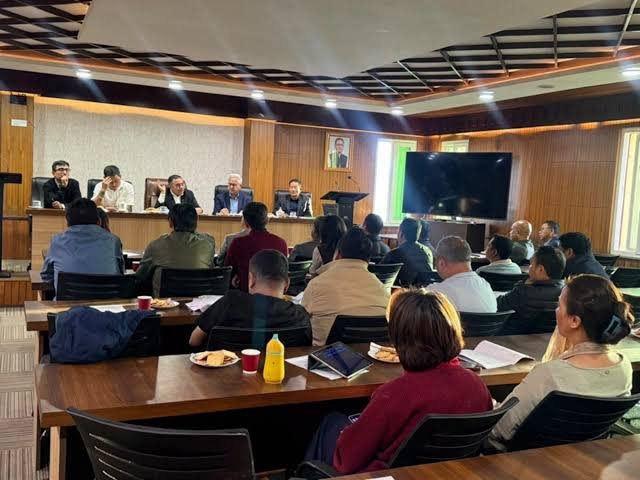
The Sikkim road project reviews have intensified as the state government seeks timely completion of ongoing infrastructure works. On October 27, 2026, the Roads and Bridges Department held a coordination meeting at Nirman Bhawan in Gangtok to examine progress and identify construction bottlenecks. Roads and Bridges Minister N.B. Dahal chaired the meeting with departmental advisor Erung T. Lepcha. Meanwhile, Secretary Sailendra Sharma called for stronger field supervision, timely communication with contractors and better monitoring of project sites. The department also stressed the importance of using the dry working season effectively to meet construction targets.
Donyi Polo Airport Upgrades Strengthen Night Operations in Arunachal Pradesh
Sikkim Department Reviews Ongoing Road Infrastructure Projects
The Roads and Bridges Department organised the meeting to assess ongoing projects and identify issues affecting their completion. Senior officials and engineers discussed ways to accelerate construction while maintaining quality and meeting approved specifications.
Minister N.B. Dahal stressed that road development requires coordination across the department. He urged engineers and officials to work collectively towards a reliable and sustainable road network across Sikkim.
The minister also linked infrastructure development with the broader vision of Chief Minister Prem Singh Tamang. Improved roads can support economic activity, public access and travel between communities across the Himalayan state.
However, construction in Sikkim can involve challenging terrain, weather-related disruptions and difficult site conditions. These factors make regular monitoring and timely problem-solving important for project delivery.
During the meeting, officials focused on identifying bottlenecks rather than allowing unresolved issues to delay construction. Effective coordination between departmental officers and contractors can help address problems before they affect project schedules further.
The meeting did not announce a single completion deadline for every ongoing project. Instead, officials emphasised timely implementation, stronger supervision and clear annual targets for infrastructure development.
Officials Asked to Strengthen Contractor Supervision
Departmental Secretary Sailendra Sharma directed officers to take a proactive approach to their responsibilities. He called for timely instructions to contractors and effective supervision at construction sites.
These measures aim to improve accountability during project execution. Regular site inspections can help officials assess progress, identify technical problems and check whether contractors follow approved plans.
Moreover, timely communication can prevent administrative delays. When departments respond promptly to requests, maintain proper records and issue instructions without unnecessary delay, project teams can address obstacles more efficiently.
Sharma also emphasised accurate file maintenance and timely responses to official communications. Although these tasks may appear administrative, they help departments track decisions, document responsibilities and monitor outstanding issues.
The department’s approach places responsibility on both field officers and administrative teams. Engineers need to monitor construction progress, while officials must ensure that contractors receive necessary instructions and decisions in time.
At the same time, the department stressed that faster construction must not come at the expense of quality. Contractors and engineers must follow prescribed technical specifications and maintain appropriate standards throughout the work.
The minister also cautioned officials who had shown laxity in their duties. He urged them to improve their performance and responsiveness, reinforcing the department’s expectation that officers remain accountable for their assigned responsibilities.
Dry Season Seen as Important Window for Construction
The department highlighted the need to make optimal use of the ongoing dry working season. Weather conditions can affect road construction, excavation, drainage work and other infrastructure activities, particularly in mountainous areas.
Therefore, project teams need to organise work carefully and use suitable weather windows to advance construction. Better planning during favourable conditions may help departments meet targets and reduce disruption caused by seasonal challenges.
However, the meeting did not specify how many projects would finish during the current dry season. It also did not announce a consolidated completion percentage or a new deadline covering all ongoing works.
Instead, the department called for practical planning and stronger implementation. Clearly defined targets can help officers track progress and identify projects that require additional attention.
The minister asked the department to prepare a comprehensive plan with clear, actionable annual targets. Such planning can provide a framework for monitoring progress and aligning construction activities with broader infrastructure priorities.
For Sikkim, reliable roads are particularly important because communities depend on road links for daily travel, access to public services and the movement of goods. Road disruptions can also affect tourism and local businesses.
Consequently, timely construction and maintenance remain important beyond individual project deadlines. Durable infrastructure can help communities maintain access during difficult weather, although the long-term results depend on engineering quality, regular maintenance and suitable disaster-resilience measures.
Road Reliability and Quality Remain Key Priorities
The government has placed emphasis on developing a road network that is reliable, resilient and sustainable. During the October 27 meeting, Dahal stressed compliance with prescribed specifications and high construction standards.
These requirements matter because road infrastructure must withstand regular traffic and the environmental challenges associated with a mountainous state. Quality construction can support durability, while proper drainage and protective works can help address some risks linked to heavy rainfall and unstable slopes.
The minister also acknowledged the efforts of departmental officers and staff who work during natural calamities to maintain road connectivity. Their responsibilities can include responding to disruptions and helping restore access under challenging conditions.
Nevertheless, maintaining connectivity requires both emergency response and long-term planning. Routine inspections, timely repairs, coordinated implementation and adequate maintenance all contribute to road reliability.
The department’s call for annual targets is intended to give infrastructure development a clearer direction. Strong monitoring can help officials assess whether projects remain on schedule and determine where further intervention may be necessary.
For residents, the practical measure of progress will be whether road works finish on time, meet quality standards and improve everyday connectivity. The October review set out the department’s expectations, while actual results will depend on implementation at project sites.
Conclusion
The Sikkim Roads and Bridges Department reviewed ongoing infrastructure projects on October 27, 2026, and called for stricter attention to timelines, construction quality and field supervision. Minister N.B. Dahal urged officials to work collectively, while Secretary Sailendra Sharma stressed proactive monitoring, timely contractor instructions and proper administrative records.
The department also highlighted the importance of using the dry working season effectively. In addition, officials will need to prepare clear annual targets and address bottlenecks that slow construction. These steps can support project monitoring, although the government has not announced a single completion deadline or consolidated progress figure for all ongoing works.
Ultimately, Sikkim’s road development depends on consistent implementation, strong engineering standards and coordination between officials and contractors. Reliable roads can improve access to services, support businesses and strengthen connectivity between communities. The department’s next challenge will be to translate the directions issued during the review into measurable progress on the ground.
FAQs
1. When did Sikkim’s Roads and Bridges Department review ongoing projects?
The department held a coordination meeting on October 27, 2026, at Nirman Bhawan in Gangtok.
2. Who chaired the project review meeting?
Roads and Bridges Minister N.B. Dahal chaired the meeting in the presence of departmental advisor Erung T. Lepcha.
3. What instructions did officials receive?
Officials were asked to strengthen site supervision, issue timely instructions to contractors, maintain proper records and address project bottlenecks.
4. Why did the department emphasise the dry working season?
Favourable weather can provide an important window for construction activities. The department urged officers to use this period effectively to work towards prescribed targets.
5. What are the department’s main road infrastructure priorities?
The priorities include timely project completion, construction quality, clear annual targets, effective monitoring and a reliable, resilient road network across Sikkim.