


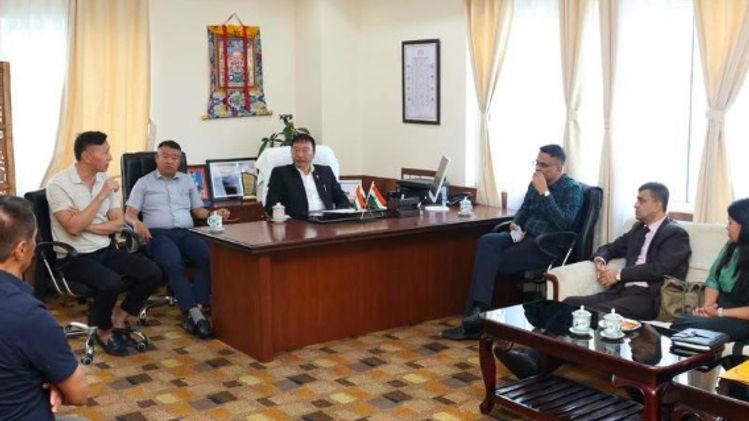
The Sikkim Tourism Department has launched an e-office system aimed at improving transparency, efficiency, and accountability in its day-to-day operations. The initiative marks an important milestone in the department’s ongoing efforts to adopt digital governance practices and enhance service delivery for stakeholders, including tourists, businesses, and citizens.
The newly introduced system is expected to streamline administrative processes by replacing traditional paper-based workflows with digital file management and communication mechanisms. Officials believe that the transition will result in faster decision-making, improved record-keeping, and greater transparency in departmental functioning.
The launch reflects the broader commitment of the Sikkim government to leverage technology in governance and create a more efficient and responsive administrative framework.
A Step Toward Paperless Administration
The e-office system has been introduced as part of efforts to move toward a paperless administrative environment. Traditional office procedures often involve extensive paperwork, physical file movement, and manual documentation, which can lead to delays and inefficiencies.
By digitizing official records and workflows, the Tourism Department aims to reduce dependence on physical documents while ensuring secure and organized information management. The electronic system will enable officials to access files, process requests, and communicate more effectively through a centralized platform.
The shift to digital operations is expected to improve productivity and reduce the time required to complete administrative tasks.
Enhancing Transparency in Government Operations
One of the primary objectives of the e-office initiative is to strengthen transparency within the department. Digital systems provide better tracking mechanisms, allowing officials to monitor the status of files, approvals, and decisions in real time.
Such transparency helps reduce procedural delays and improves accountability at various levels of administration. Every action performed within the system is recorded electronically, creating a clear audit trail that can be reviewed whenever necessary.
Officials noted that enhanced transparency not only improves internal governance but also strengthens public trust in government institutions by ensuring greater openness and accountability.
Improving Efficiency and Service Delivery
The introduction of the e-office system is expected to significantly improve operational efficiency. Manual handling of files often involves multiple layers of movement and processing, which can slow down administrative work.
With digital workflows, files can be transferred instantly between departments and officials, reducing processing times and facilitating faster decision-making. The system also enables simultaneous access to information by authorized personnel, improving coordination and collaboration.
The Tourism Department believes that improved efficiency will ultimately translate into better service delivery for stakeholders, including tourism operators, investors, and members of the public seeking assistance or approvals.
Supporting Sikkim’s Tourism Growth
Tourism remains one of the most important sectors of Sikkim’s economy, contributing significantly to employment, entrepreneurship, and revenue generation. As the sector continues to expand, efficient administration becomes increasingly important for supporting growth and addressing the needs of stakeholders.
The e-office system is expected to enhance the department’s ability to manage tourism-related activities, process applications, coordinate initiatives, and monitor projects more effectively. Faster administrative responses can improve the experience of businesses and organizations interacting with the department.
Officials believe that a modernized administrative framework will contribute to creating a more supportive environment for tourism development in the state.
Digital Transformation in Governance
The launch of the e-office system aligns with broader trends in digital governance being adopted by governments across India. Digital technologies are increasingly being used to improve administrative efficiency, reduce costs, and enhance citizen engagement.
E-office platforms have become an important component of government modernization efforts because they facilitate seamless communication, secure document management, and data-driven decision-making. Such systems also help minimize errors associated with manual record-keeping and improve overall organizational effectiveness.
Sikkim’s adoption of digital tools reflects its commitment to keeping pace with technological advancements and strengthening governance through innovation.
Environmental Benefits of Paperless Operations
Beyond administrative efficiency, the move toward digital workflows offers significant environmental benefits. Reducing paper consumption contributes to resource conservation and supports sustainability goals.
The Tourism Department’s transition to electronic documentation is expected to lower the demand for paper, printing materials, and physical storage infrastructure. This not only reduces operational costs but also aligns with broader environmental objectives.
As a state known for its natural beauty and commitment to sustainable development, Sikkim’s efforts to minimize environmental impacts through digital governance carry symbolic and practical significance.
The initiative demonstrates how technology can support both administrative modernization and environmental responsibility.
Strengthening Data Management and Security
Effective data management is another important advantage of the e-office system. Digital platforms enable secure storage, retrieval, and management of information while reducing the risk of document loss or damage.
The system incorporates mechanisms designed to protect sensitive information and ensure that only authorized personnel can access specific records. Improved data security is particularly important in government departments that handle large volumes of official documentation.
Officials stated that enhanced record management capabilities will support better planning, monitoring, and evaluation of departmental activities, contributing to more informed decision-making.
Capacity Building and Staff Adaptation
The successful implementation of digital governance initiatives depends on the ability of employees to adapt to new technologies and workflows. To ensure smooth adoption, the department is expected to provide training and capacity-building programs for staff members.
Such training helps employees become familiar with the features and functionalities of the system, enabling them to use digital tools effectively in their daily work. Building digital skills among government personnel is essential for maximizing the benefits of technological transformation.
Officials expressed confidence that the department’s workforce will embrace the new system and contribute to its successful implementation.
Enhancing Accountability Through Technology
The e-office system also strengthens accountability by providing clear records of actions taken within administrative processes. Every file movement, approval, modification, and communication can be tracked electronically, reducing ambiguity and improving oversight.
This level of accountability helps ensure that responsibilities are clearly defined and that decisions are made in a timely and transparent manner. It also facilitates performance monitoring and supports efforts to improve organizational effectiveness.
Technology-driven accountability mechanisms are increasingly recognized as important tools for promoting good governance and strengthening institutional credibility.
Looking Ahead
The launch of the e-office system by the Sikkim Tourism Department represents a significant step toward modern, transparent, and efficient governance. By embracing digital technologies, the department is positioning itself to better serve stakeholders while supporting the continued growth of the state’s tourism sector.
The initiative is expected to streamline administrative processes, enhance transparency, improve record management, and strengthen accountability. It also reflects the government’s broader vision of leveraging technology to create responsive and citizen-centric institutions.
As Sikkim continues to advance its digital transformation journey, the e-office system is likely to serve as a model for other departments seeking to modernize their operations. With improved efficiency and transparency, the Tourism Department is better equipped to support the state’s development objectives and contribute to the sustainable growth of one of its most important economic sectors.