


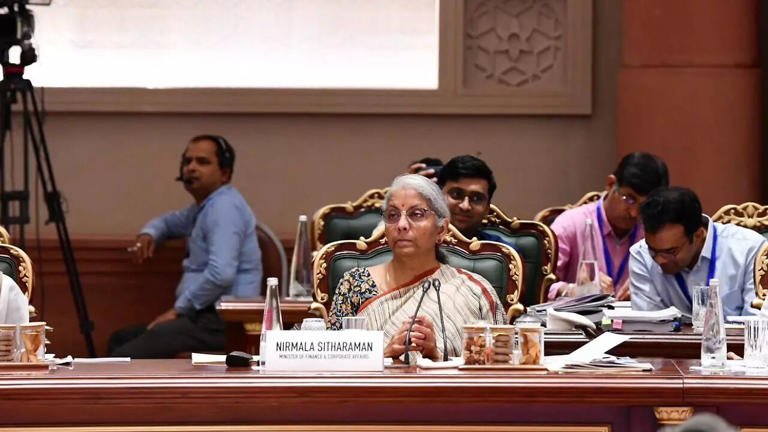
Union Finance Minister Nirmala Sitharaman has called for a broader public debate on India’s tax policy. She urged tax professionals and industry bodies to look beyond sector-specific interests.
Sitharaman made the remarks on Wednesday, September 16, at the Eighth International Tax Conference in Bengaluru. The International Tax Research and Analysis Foundation organised the conference.
The Finance Minister said tax discussions should not focus only on demands from particular industries. Instead, she called for independent research and evidence-based discussions on how India’s tax system can evolve.
Her comments come as India continues to review its tax framework and work on simplifying compliance.
Industry Should Look Beyond Tax Concessions
Sitharaman asked tax professionals to examine the tax system from a wider perspective. She said industry representatives often approach the government with requests for exemptions, deductions and lower tax rates.
However, she urged them to also identify provisions that may no longer serve their intended purpose.
The Finance Minister said professionals should be willing to question provisions even when those provisions benefit their own sectors. Such an approach, she said, could help create a more rational tax system.
The comments signal a push for tax discussions that go beyond individual sectoral demands. The focus, according to Sitharaman, should include the wider functioning of the tax system and its long-term effectiveness.
Independent Research Can Shape Tax Policy
Sitharaman also called for greater participation from independent researchers in tax policy discussions.
She said independent tax research should become part of public discourse. Such research can help policymakers assess the impact of tax provisions using evidence rather than only stakeholder demands.
The minister also encouraged tax professionals to contribute to this process. Their experience with taxpayers and the tax administration can provide useful insights into how rules work in practice.
A wider research-based debate could also bring different perspectives into tax policy discussions. These may include the views of businesses, professionals, taxpayers, researchers and policymakers.
The government has increasingly focused on simplifying tax rules and reducing unnecessary compliance burdens. Sitharaman’s latest remarks place independent research alongside these broader reform efforts.
Need to Identify Outdated Tax Provisions
The Finance Minister specifically encouraged stakeholders to examine whether existing provisions remain relevant.
She said industry bodies should not limit their submissions to proposals that provide benefits to their members. They should also identify rules that may have become outdated or ineffective.
This approach could help policymakers review the tax system more systematically.
India’s tax framework contains numerous provisions covering businesses, individuals, investments and international transactions. Changes in the economy can also make some rules less relevant over time.
Regular review can therefore help ensure that tax provisions continue to match economic conditions and policy objectives.
Sitharaman’s remarks suggest that tax professionals can play a role in this review by providing evidence about how existing provisions affect taxpayers and businesses.
Focus on Rationalising the Tax System
Sitharaman also stressed the importance of rationalising India’s tax regime.
A rational tax system aims to maintain clear rules while reducing unnecessary complexity. It can also help lower compliance costs and reduce disputes between taxpayers and authorities.
The Finance Minister’s comments linked this goal with evidence-based policymaking.
She urged stakeholders to examine whether tax provisions achieve their intended objectives. Where rules fail to do so, policymakers can consider changes based on research and evidence.
The approach could also help reduce the influence of narrow sectoral demands in tax discussions.
Tax Compliance Remains a Key Concern
Tax compliance has remained an important part of India’s fiscal policy discussions.
Businesses and individual taxpayers must navigate rules covering income tax, goods and services tax, customs and other levies. Changes in technology have also transformed the way authorities collect information and monitor compliance.
Digital systems have made it possible to process large volumes of tax information. They have also increased the government’s ability to identify discrepancies and potential evasion.
At the same time, taxpayers continue to seek simpler procedures and greater clarity.
Sitharaman’s call for independent research comes against this background. Evidence from taxpayers, professionals and researchers can help identify areas where compliance remains difficult.
Tax Debate Must Consider Wider Economic Impact
The Finance Minister’s remarks also highlight the need to examine the wider economic effects of tax policies.
A tax change can affect investment, consumption, employment and government revenue. Its impact may also differ across sectors and income groups.
For this reason, policymakers need information beyond individual industry demands.
Sitharaman’s emphasis on research reflects this wider perspective. She wants tax discussions to consider the broader consequences of policy choices.
Industry feedback remains relevant because businesses deal with tax rules directly. However, her comments suggest that such feedback should form part of a larger evidence base.
Tax Professionals Have a Larger Role
Tax professionals can contribute to policy discussions because they work closely with taxpayers and businesses.
They often see practical problems that may not appear during the drafting of legislation. Their experience can therefore help identify areas that need clarification or reform.
Sitharaman encouraged this community to take a broader view of its role.
Instead of focusing only on tax benefits for specific sectors, professionals can also examine how the overall system works.
Independent analysis can help policymakers compare different approaches and understand their likely consequences.
Government Pushes Tax Reform
The latest remarks come amid wider efforts to simplify India’s tax framework.
The government has introduced several measures in recent years to reduce complexity, improve compliance and streamline tax administration.
The Income Tax Bill 2025, for example, sought to simplify the structure and language of direct tax law. The government has also continued to rationalise customs duties and other tax provisions.
These reforms require continued feedback from taxpayers and professionals. Independent research can add another layer to that process.
A Broader Conversation on Tax Policy
Sitharaman’s message at the tax conference centred on widening the scope of India’s tax debate.
She asked industry bodies and tax professionals to move beyond requests for exemptions and lower rates. She also encouraged them to identify provisions that may no longer work effectively.
Her call for independent research aims to bring more evidence into public discussions about taxation.
The next phase of India’s tax reform debate will involve balancing revenue needs, compliance, economic activity and taxpayer concerns.
Sitharaman’s remarks indicate that the government wants this discussion to include a wider range of evidence and perspectives. The emphasis on independent research could help shape future debates over how India’s tax system should evolve.