


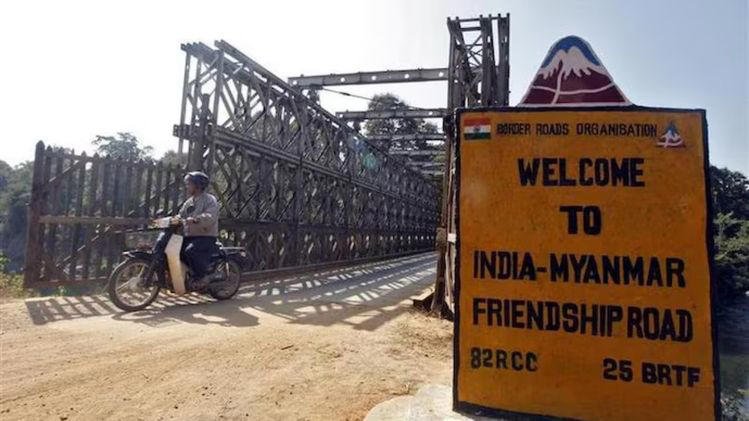
Mizoram border smuggling decline reports gained attention this week after a detailed review meeting revealed a sharp drop in the trafficking of drugs and Burmese areca nuts along the Mizoram–Myanmar border. Chief Minister Lalduhoma was briefed on the improved situation during a high-level assessment held on November 19. Moreover, tightened security measures and coordinated surveillance have significantly disrupted illegal trade routes across vulnerable stretches of the international boundary.
Read More: CM Manik Saha Urges Tribal Voters to Support BJP Ahead of ADC Election
Mizoram Border Smuggling Decline Reported During Review Meeting
The Mizoram border smuggling decline was highlighted during a meeting chaired by Chief Minister Lalduhoma. Officials from the Home Department and the Urban Development and Poverty Alleviation Department presented a clear picture of the progress made in recent months. They stated that enhanced border patrolling, coordinated intelligence sharing, and newly established checkpoints have contributed to the reduction.
According to the briefing, security personnel now conduct routine inspections along key crossings where smuggling once thrived. These measures have made it difficult for traffickers to transport contraband unhindered. Additionally, authorities have strengthened collaboration with central agencies, enabling faster responses and more effective tracking of illegal movements.
The Chief Minister welcomed the positive trend. He noted that curbing illegal smuggling supports both public safety and economic stability. He also urged officials to continue improving their monitoring strategy to prevent traffickers from finding alternative routes.
Crackdown Targets Drugs and Burmese Areca Nuts
The Mizoram border smuggling decline includes a notable drop in drug trafficking, which has long posed a threat to the state’s youth. For years, narcotics smuggled from Myanmar entered Mizoram through remote and porous border points. However, enhanced vigilance has disrupted the flow of substances such as heroin, methamphetamine tablets, and other synthetic drugs.
Officials also reported a marked decrease in the smuggling of Burmese areca nuts. This trade once operated at a large scale, affecting both local markets and government revenue. Many consignments were transported illegally to avoid taxes and inspections. Because of tighter surveillance, smugglers now face higher risks, leading to a sharp reduction in movement.
Security forces emphasised that both forms of smuggling often used the same channels. Therefore, targeting these routes produced wider results. Furthermore, new road monitoring systems and night patrols have strengthened checks, especially in border villages.
Technology, Coordination, and Local Support Improve Enforcement
A major reason behind the Mizoram border smuggling decline is the use of improved technology and stronger coordination among agencies. Officials reported that drone surveillance, GPS tracking, and digital reporting systems have helped security teams monitor remote terrains more efficiently. These tools allow faster detection of unusual activities and help officers cover difficult areas that once favoured traffickers.
Community cooperation has also played a key role. Local residents living near the border have become important partners in reporting suspicious movement. Their inputs often lead to early interception of illegal consignments. Moreover, regular awareness programmes have encouraged citizens to avoid involvement in smuggling networks and prioritise community safety.
The Chief Minister acknowledged the public’s contribution and called for continued vigilance. He emphasised that sustained cooperation ensures long-term stability and helps officials respond quickly when new threats emerge.
Mizoram Border Smuggling Decline Strengthens Regional Security
The Mizoram border smuggling decline supports broader security goals across the Northeast. Illegal trafficking often fuels other forms of crime, including money laundering and cross-border criminal networks. Therefore, reducing smuggling strengthens internal security and prevents harmful substances from reaching vulnerable communities.
Officials also highlighted that the crackdown supports economic health. Legal trade becomes more stable when illegal imports do not distort market prices. Farmers and traders in Mizoram benefit when contraband products no longer undercut local commodities. This improvement contributes to stronger livelihoods.
Furthermore, reduced smuggling allows the government to focus on development projects without the constant pressure of illegal trade networks. Improved law and order helps attract investment and strengthens the state’s capacity to plan for long-term growth.
Mizoram Border Smuggling Decline Marks Positive Shift
The sharp fall in smuggling along the Mizoram–Myanmar border marks a significant achievement for the state’s security apparatus. The Mizoram border smuggling decline demonstrates that consistent enforcement, community involvement, and modern surveillance can produce measurable results. Officials remain cautious yet optimistic, noting that traffickers often try to adapt their strategies.
Chief Minister Lalduhoma encouraged departments to sustain their momentum and explore additional measures that prevent future smuggling attempts. He stressed that long-term consistency is essential for protecting communities and maintaining peace along the international border.
As Mizoram continues its efforts, the recent successes serve as a strong foundation for deeper reforms and enhanced border security. The Mizoram border smuggling decline therefore represents both an important milestone and a promising sign of stability for the region.
Read More: Manipur police arrest four in major drug trafficking crackdown