


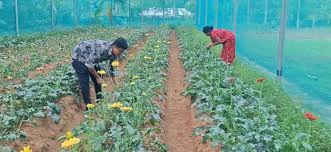
Farmers in South Tripura district are increasingly turning to exotic Gerbera flower cultivation as a source of sustainable income and rural self-reliance. The growing popularity of floriculture in the region has created new economic opportunities for local farmers seeking alternatives to traditional agricultural practices.
Officials and agricultural experts stated that Gerbera cultivation offers strong market demand, better returns, and employment opportunities for rural communities. Moreover, the initiative is helping farmers diversify income sources while encouraging modern horticulture practices in the state.
The success of exotic flower farming has attracted attention from agricultural departments, entrepreneurs, and rural development groups across Tripura. Consequently, floriculture is emerging as an important component of regional agricultural development strategies.
Meghalaya Water Project Cost Revision Linked to Dam Shift
Arunachal Tiger Sighting Marks Rare Wildlife Return
Farmers Embrace Exotic Gerbera Cultivation
The South Tripura Gerbera Farming trend has gained momentum as more farmers adopt floriculture to improve earnings and reduce dependence on conventional crops.
Agricultural officials stated that Gerbera flowers remain highly popular in decoration, gifting, and event industries because of their vibrant appearance and commercial demand. Furthermore, farmers have reportedly benefited from increasing market interest in fresh flowers across urban and regional markets.
Local cultivators explained that floriculture has opened new opportunities for income generation and business expansion. As a result, several farming communities are gradually investing in greenhouse technology and improved cultivation techniques.
Experts also noted that exotic flower cultivation can provide higher value returns compared to some traditional agricultural activities.
Gerbera Flowers Create New Economic Opportunities
Gerbera flowers are widely used for bouquets, ceremonies, and decorative purposes, making them commercially valuable in both local and national markets. Agricultural experts stated that the growing floriculture sector can significantly strengthen rural economies.
Farmers in South Tripura reportedly receive encouraging returns because of rising demand from event organizers, flower traders, and retail markets. Therefore, many cultivators now view floriculture as a long-term livelihood opportunity.
Officials also highlighted that flower cultivation can generate employment in packaging, transportation, and marketing activities. Moreover, women and youth participation in floriculture projects has reportedly increased in several rural areas.
The South Tripura Gerbera Farming initiative is consequently contributing to economic diversification in the region.
Modern Horticulture Practices Expanding
Agriculture departments and horticulture experts have encouraged farmers to adopt modern cultivation methods for improving flower quality and productivity. Greenhouse farming, irrigation systems, and scientific crop management techniques are increasingly being introduced in floriculture projects.
Officials stated that technical guidance and training programs have helped farmers understand advanced horticulture practices. Furthermore, government support initiatives are reportedly assisting growers with infrastructure and cultivation resources.
Experts believe modern floriculture can strengthen sustainable farming models while also reducing dependence on seasonal crops. Consequently, horticulture development is receiving greater policy attention in Tripura.
The expansion of exotic flower farming reflects changing agricultural trends and growing interest in high-value crops.
Self-Reliance Through Floriculture
Farmers involved in Gerbera cultivation described floriculture as an important step toward financial independence and rural self-reliance. Many growers stated that flower farming has improved household incomes and created more stable livelihood opportunities.
Community leaders also noted that successful horticulture projects can reduce migration by creating local employment opportunities. Additionally, self-help groups and small farming cooperatives are reportedly participating in flower cultivation activities.
Agricultural experts emphasized that diversified farming models often improve resilience against market and climate-related uncertainties. Therefore, floriculture may continue expanding as a supplementary income source for rural families.
The South Tripura Gerbera Farming movement has become a positive example of entrepreneurship-driven agriculture in northeastern India.
Government and Agricultural Support
Authorities stated that horticulture development remains an important focus area for rural economic growth in Tripura. Officials continue promoting floriculture through awareness campaigns, technical assistance, and agricultural training initiatives.
Agriculture departments reportedly encourage farmers to explore high-value crops capable of generating better market returns. Moreover, state-supported schemes linked to horticulture and rural development are helping farmers adopt improved cultivation methods.
Experts also highlighted the importance of market connectivity, cold storage, and transportation infrastructure for supporting flower cultivation businesses. Consequently, authorities may continue strengthening agricultural supply chains in the region.
The growing success of Gerbera farming has increased optimism regarding horticulture-based rural development.
Market Demand and Future Potential
Floriculture experts believe the demand for decorative flowers will continue increasing because of rising urban consumption and event-related industries. Gerbera flowers remain especially popular because of their color variety and long shelf life.
Farmers in South Tripura expressed confidence regarding future expansion opportunities within regional and national flower markets. Furthermore, experts believe improved logistics and marketing support can significantly enhance profitability for cultivators.
Observers also noted that floriculture tourism and flower exhibitions could create additional opportunities for rural entrepreneurs. Therefore, the horticulture sector may become an increasingly important contributor to Tripura’s rural economy.
The South Tripura Gerbera Farming initiative highlights how innovative agriculture can support sustainable development and financial empowerment.
Conclusion
Exotic Gerbera cultivation in South Tripura is creating new opportunities for rural self-reliance and agricultural diversification. Farmers are increasingly adopting floriculture because of strong market demand, improved earnings, and the potential for long-term economic stability.
As horticulture practices continue expanding in Tripura, floriculture may play a larger role in strengthening rural livelihoods and modern agricultural development. The success of Gerbera farming also demonstrates how innovation and market-oriented cultivation can transform local economies in northeastern India.
FAQs
What is being cultivated in South Tripura?
Farmers are cultivating exotic Gerbera flowers as part of floriculture initiatives.
Why is Gerbera farming becoming popular?
The flowers have strong market demand and provide better income opportunities for farmers.
How does floriculture help rural communities?
It creates employment, improves earnings, and supports self-reliance among farmers.
What modern techniques are being used?
Farmers are using greenhouse cultivation, irrigation systems, and scientific farming methods.
Who supports these horticulture projects?
Agriculture and horticulture departments provide training, awareness, and technical support.
Why are Gerbera flowers commercially valuable?
They are widely used for decoration, gifting, and events because of their attractive appearance.