


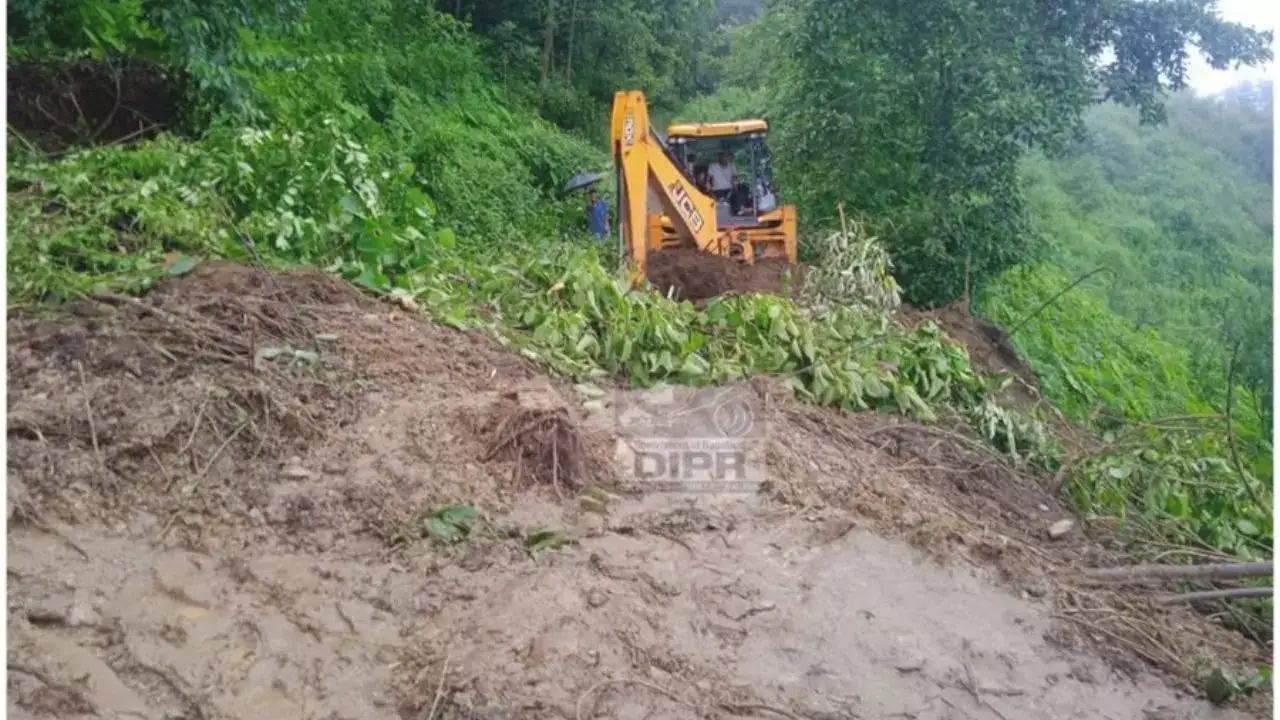
Nagaland’s disaster management authorities issued an urgent public advisory on June 30 warning residents, commuters, and transport operators about the heightened risks of flash floods, landslides, and mudslides across several critical highway corridors due to persistent monsoon activity. The advisory comes amid intensified rainfall across the state, raising concerns about transportation disruptions, infrastructure damage, and public safety. Moreover, authorities have urged citizens to remain vigilant, avoid unnecessary travel during severe weather conditions, and closely monitor official updates and advisories.
Security Forces Detain Eight Bangladeshi Nationals
Border Outpost Relocation Follow River Erosion
Disaster Management Authorities Issue Monsoon Safety Alert
Nagaland state disaster agencies issued a comprehensive advisory following continued heavy rainfall and forecasts of further monsoon activity. Consequently, commuters have been warned of immediate risks associated with flash floods, landslides, and slope failures.
According to officials, several vulnerable highway stretches have experienced increased soil instability and water accumulation, creating dangerous travel conditions. Moreover, authorities have emphasized that weather conditions may deteriorate rapidly in mountainous areas. Therefore, precautionary measures and heightened vigilance have become essential.
Officials noted that emergency response agencies and district administrations have been placed on alert to respond to any weather-related incidents. Furthermore, monitoring systems continue to track rainfall patterns and infrastructure conditions. As a result, authorities remain prepared for potential emergencies.
Meanwhile, transportation and disaster response agencies continue to coordinate closely. Consequently, real-time monitoring efforts have intensified.
Critical Highway Routes Face Elevated Risk
The advisory specifically highlighted the growing threat of flash floods and mudslides along major transportation corridors throughout Nagaland. Moreover, heavy monsoon rainfall often increases the likelihood of road blockages, landslides, and infrastructure damage in hilly terrain. Therefore, authorities have urged travelers to exercise extreme caution.
Officials stated that sudden slope failures and waterlogging may occur without significant warning, particularly during periods of sustained rainfall. Consequently, motorists have been advised to avoid travel during adverse weather whenever possible. Such precautions remain critical for ensuring public safety.
Furthermore, transportation authorities continue to monitor vulnerable stretches and deploy emergency response teams where necessary. As a result, preparedness efforts have been strengthened across affected areas.
Meanwhile, road maintenance and disaster management agencies remain on standby. Similarly, local administrations continue to assess evolving risks.
Public Urged to Follow Safety Advisories
Disaster management authorities have strongly encouraged residents and travelers to adhere strictly to official safety guidelines during the ongoing monsoon season. Moreover, public cooperation remains essential in minimizing the impact of weather-related disasters. Therefore, authorities continue to emphasize preparedness and awareness.
Officials advised citizens to monitor weather forecasts, avoid crossing flooded roads and streams, and immediately report signs of landslides or infrastructure damage. Consequently, public participation is expected to contribute significantly to disaster prevention and emergency response efforts. Such actions help reduce risks to life and property.
Furthermore, authorities recommended that travelers carry emergency supplies and remain informed about road conditions before undertaking journeys. As a result, awareness campaigns have been intensified.
Meanwhile, emergency communication channels remain operational across the state. Similarly, district authorities continue to issue periodic updates.
Monsoon Preparedness and Infrastructure Resilience Under Focus
The latest advisory highlights the ongoing challenges posed by extreme monsoon conditions and the importance of disaster preparedness in mountainous regions. Moreover, climate variability and intense rainfall events continue to place significant pressure on transportation infrastructure. Therefore, long-term resilience measures remain an important priority.
Experts have emphasized the need for improved slope stabilization, drainage management, and infrastructure monitoring systems. Consequently, authorities continue to explore strategies aimed at reducing disaster risks and strengthening public safety measures. Such investments contribute to long-term resilience.
Furthermore, coordination among disaster management agencies, public works departments, and local administrations remains critical. As a result, preparedness and mitigation efforts continue to evolve.
Meanwhile, officials remain committed to protecting communities and maintaining essential transportation networks. Similarly, emergency planning activities remain ongoing.
Conclusion
The emergency advisory issued by Nagaland’s disaster management authorities underscores the serious risks posed by persistent monsoon activity, flash floods, and landslides across critical transportation corridors. Moreover, the warning highlights the importance of preparedness, vigilance, and public cooperation.
The situation serves as a reminder of the vulnerability of mountainous regions to extreme weather events and the need for resilient infrastructure and effective disaster response systems. Therefore, authorities continue to prioritize public safety and emergency preparedness.
As monsoon conditions persist, residents and travelers are urged to remain alert, follow official advisories, and exercise caution while traveling through vulnerable areas.
FAQs
1. When was the advisory issued?
The public advisory was issued on June 30.
2. Which hazards were highlighted?
Authorities warned of flash floods, landslides, and mudslides.
3. Who issued the warning?
Nagaland state disaster management authorities issued the advisory.
4. Which areas are considered vulnerable?
Several critical highway corridors and mountainous regions across Nagaland have been identified as high-risk areas.
5. What precautions should commuters take?
Travelers should monitor official updates, avoid unnecessary travel during heavy rainfall, and follow safety advisories.