


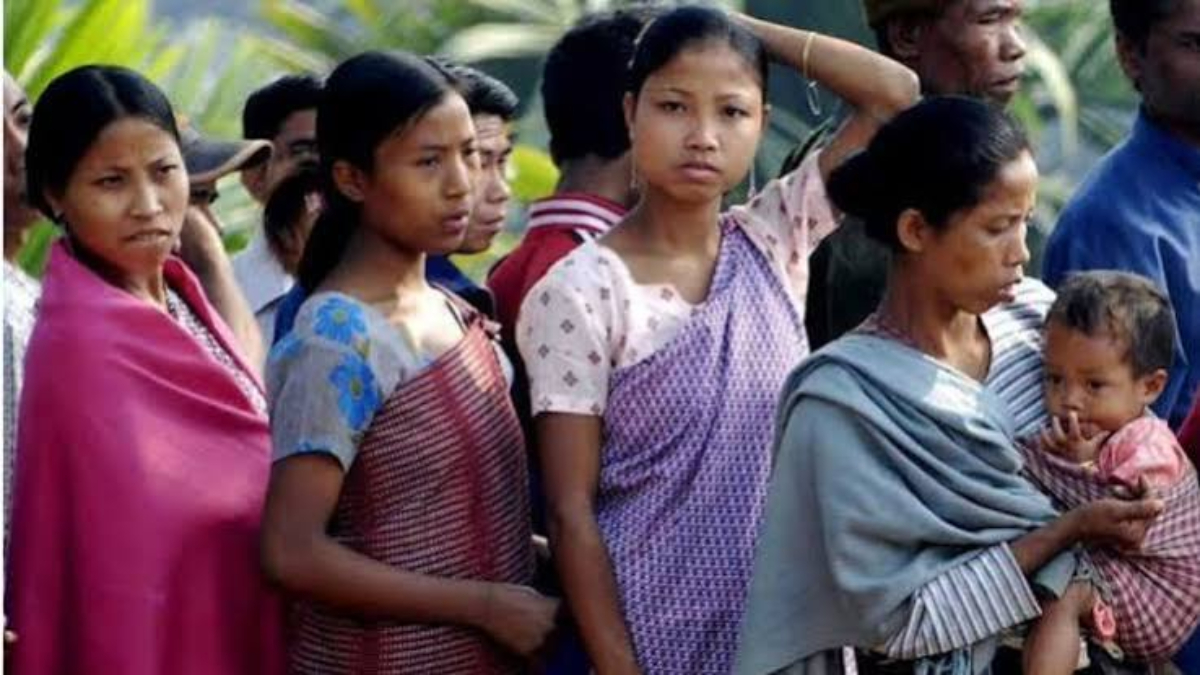
Khasi surnames SIR has become a key topic in Meghalaya following concerns over the ongoing Special Intensive Revision (SIR) process. The Deputy Commissioner (DC) of East Khasi Hills has dismissed fears that Bangladeshi nationals could misuse Khasi surnames to influence the exercise, asserting that the existing verification system is robust enough to prevent such attempts. The clarification comes amid public discussions over identity verification, electoral integrity, and the protection of indigenous communities in the state.
Khasi surnames SIR: DC Rules Out Possibility of Misuse
East Khasi Hills Deputy Commissioner Abhilash Baranwal, IAS, stated that there is virtually no possibility of Bangladeshi nationals taking advantage of Khasi surnames during the Special Intensive Revision of electoral rolls. According to the district administration, the verification process is backed by multiple layers of document scrutiny and field-level checks, making fraudulent inclusion extremely difficult.
The DC explained that electoral officials do not rely solely on a person’s surname while verifying eligibility. Instead, applicants must furnish documentary evidence, including proof of identity, residence, and other records that establish their legal status. This comprehensive verification process ensures that surnames alone cannot be used to secure voter registration.
The statement was made in response to concerns expressed by certain sections of society that individuals from Bangladesh could adopt Khasi surnames to gain access to electoral rolls or other benefits meant for indigenous residents.
Multiple Verification Layers Strengthen the SIR Process
Officials stressed that the Special Intensive Revision is designed to improve the accuracy of electoral rolls by removing ineligible entries while ensuring that every eligible citizen is included.
During the exercise, Booth Level Officers (BLOs) verify applicants through physical visits, document verification, and cross-checking of records. Electoral Registration Officers also examine applications before names are included in the final rolls.
The district administration noted that this multi-stage process leaves very little scope for manipulation. Even if someone adopts a Khasi surname, they would still have to satisfy all legal documentation requirements before being considered eligible.
Legal Framework Protects Khasi Identity
The assurance by the East Khasi Hills administration is also supported by Meghalaya’s legal safeguards protecting Khasi identity. The Khasi Hills Autonomous District (Khasi Social Custom of Lineage) Act, 1997 regulates the use of Khasi surnames and lineage while preventing unauthorized claims to Khasi identity. The law provides mechanisms to scrutinize and regulate any changes to Khasi surnames and prescribes penalties in cases involving false claims.
The legislation was introduced specifically to preserve the traditional Khasi matrilineal system and prevent individuals from falsely claiming Khasi status for personal gain.
These legal provisions reinforce the DC’s assertion that simply adopting a Khasi surname cannot override the statutory requirements governing identity and community status.
Why the Issue Has Drawn Public Attention
The debate has emerged against the backdrop of continuing concerns over illegal immigration from Bangladesh in parts of Northeast India. Meghalaya shares an international border with Bangladesh, and authorities have maintained heightened vigilance along vulnerable stretches.
Over the past year, the state government has strengthened border surveillance, imposed curbs in sensitive areas, and repeatedly stated its commitment to preventing illegal infiltration. Authorities have also emphasized that only individuals possessing valid documentation are entitled to be included in official records.
Given these concerns, questions surrounding the integrity of electoral rolls have naturally attracted public attention. However, the district administration has reiterated that the verification mechanisms already in place are capable of identifying fraudulent claims.
Administration Appeals Against Rumours
The East Khasi Hills administration has urged residents not to be influenced by rumours or misinformation regarding the SIR exercise. Officials emphasized that every application undergoes careful scrutiny before any decision is made.
The administration also clarified that the revision process is intended to enhance transparency and maintain accurate electoral records rather than target any specific community.
Officials encouraged eligible citizens to cooperate with Booth Level Officers during verification and provide authentic documents whenever required.
Public Confidence Remains Central
The Deputy Commissioner’s statement is aimed at reassuring the public that the integrity of the electoral process will be maintained. By highlighting the legal safeguards, administrative scrutiny, and documentation requirements, the district administration sought to address concerns over possible misuse of Khasi surnames.
The ongoing Special Intensive Revision remains an important electoral exercise intended to ensure that voter rolls accurately reflect eligible electors while preventing unauthorized inclusion. With strict verification procedures, established legal protections, and field-level scrutiny, officials maintain that there is no realistic possibility of Bangladeshi nationals exploiting Khasi surnames during the process.
As the revision continues, authorities have appealed for public cooperation and trust in the established verification system, reiterating that every claim will be assessed according to law and documentary evidence rather than surname alone.
Severe Tripura Heavy Rainfall Leaves 116 Families Homeless, IMD Issues Fresh Alert