


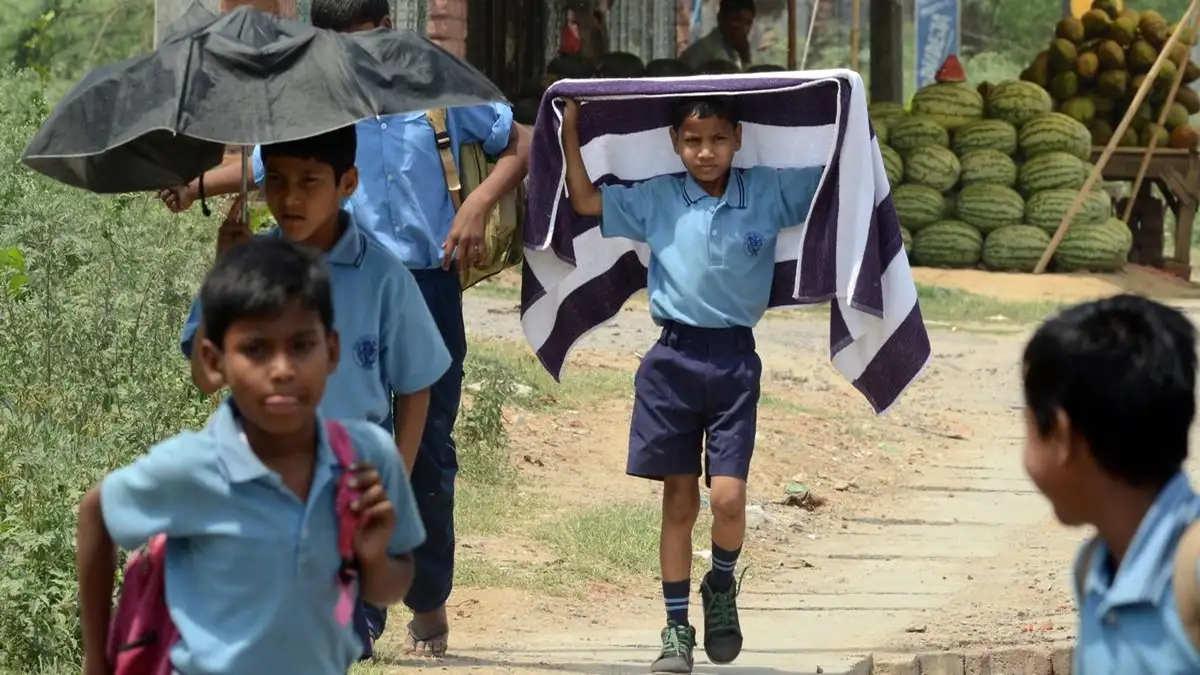
Summer Vacations Cancelled Tripura has become a major academic update after the state government officially withdrew the scheduled 26-day summer break for government-run colleges. The decision applies to general degree colleges as well as technical and professional institutions across the state. According to officials, the move aligns with the semester-based academic structure introduced under the National Education Policy (NEP). Additionally, authorities confirmed that faculty members serving during the vacation period will receive proportionate Earned Leave as compensation.
Tripura Board Exam Results Pass Rates Announced
Forest Guards To Get 200 Guns In Tripura
Government Withdraws Scheduled Summer Break
The Tripura government announced that state-run colleges will continue academic activities during the period previously designated as summer vacation. Consequently, institutions that typically paused classes and administrative operations for nearly a month will now remain engaged in teaching, assessment, and semester-related work.
Officials stated that the revised academic approach responds to growing pressure on institutions to complete course requirements within fixed semester timelines. Moreover, authorities emphasized that maintaining continuity in teaching schedules has become increasingly important after the implementation of updated higher education frameworks.
The order covers government colleges across multiple streams. These include conventional undergraduate institutions alongside technical and professional education centers functioning under state administration. Meanwhile, institutions have begun adjusting internal calendars to accommodate the change.
NEP Semester Structure Drives Policy Shift
According to education officials, the decision emerged primarily because of the workload generated under the National Education Policy framework. The semester-based system requires tighter scheduling, more continuous evaluation, and timely completion of academic modules.
Furthermore, administrators noted that semester timelines leave limited flexibility for extended institutional breaks. As a result, authorities concluded that retaining a long summer vacation could disrupt course delivery and examination cycles.
The NEP framework encourages structured academic progression, interdisciplinary opportunities, and consistent assessment patterns. Therefore, several educational systems across India have reviewed traditional calendars to meet evolving requirements.
Summer Vacations Cancelled Tripura reflects this broader transition toward maintaining uninterrupted academic engagement. At the same time, officials indicated that the measure aims to prevent delays that often affect examination results and subsequent admission processes.
Faculty Members To Receive Earned Leave Benefits
The government clarified that faculty members required to work during the former vacation window will not lose leave entitlements. Instead, proportionate Earned Leave will be provided to compensate for duties performed during the cancelled break.
Additionally, authorities presented the arrangement as an effort to balance institutional requirements with staff welfare. Administrators stated that the leave compensation mechanism recognizes additional service without interrupting educational priorities.
College administrations are expected to maintain records of attendance and academic responsibilities during the affected period. Meanwhile, teaching staff may receive further operational guidelines regarding leave calculations and implementation procedures.
This compensation structure has become a central component of the announcement because faculty concerns often accompany calendar revisions.
Impact Expected Across Higher Education Institutions
The decision may influence institutional functioning in several ways. For students, uninterrupted academic schedules could support faster syllabus completion and improved alignment with examination dates. However, some may also need to adjust travel, internship, and personal schedules originally planned around vacation periods.
College administrations are now expected to revise teaching plans, laboratory schedules, and assessment activities. Furthermore, institutions may increase academic coordination to ensure that semester objectives remain achievable within the updated calendar.
Summer Vacations Cancelled Tripura also signals a shift in how higher education institutions respond to structural reforms. Consequently, educational planning may increasingly prioritize semester targets over conventional seasonal breaks.
Officials indicated that maintaining academic consistency remains the immediate objective rather than permanently eliminating vacation periods.
Academic Community Responds To New Calendar
The announcement has triggered discussion across academic circles regarding the balance between educational efficiency and institutional flexibility. While some observers view the move as a practical response to semester demands, others believe implementation details will determine its long-term effectiveness.
Meanwhile, administrators have highlighted the importance of minimizing disruptions in academic progression. Earlier experiences showed that delayed semesters often affected student transitions into advanced courses and professional opportunities.
Educational stakeholders are expected to monitor outcomes during the implementation phase. In addition, future academic calendars may evolve based on institutional feedback and operational performance.
Summer Vacations Cancelled Tripura has therefore become more than a scheduling update and may represent an early indicator of broader higher education adjustments.
What Happens Next For Colleges
Authorities are expected to issue institution-level instructions regarding teaching hours, semester milestones, and administrative procedures. Furthermore, colleges may introduce localized scheduling measures to support both academic continuity and staff management.
Students and faculty members are likely to receive detailed notices from respective institutions in the coming weeks. Consequently, academic departments will coordinate course delivery and semester completion targets accordingly.
Officials maintained that the current measure supports long-term educational efficiency under evolving policy requirements. Moreover, the government is expected to review outcomes before future academic sessions are finalized.
Conclusion
Summer Vacations Cancelled Tripura marks a significant administrative decision in the state’s higher education sector. By removing the traditional 26-day college break and aligning schedules with NEP-driven semester demands, the government aims to maintain academic continuity and reduce delays. Meanwhile, the provision of proportionate Earned Leave seeks to support faculty members working during the revised calendar period.
FAQs
Why did the Tripura government cancel summer vacations for colleges?
The government cancelled the break to accommodate semester-based academic requirements introduced under the National Education Policy and ensure timely completion of coursework.
Which institutions are affected by this decision?
The order applies to all state-run colleges, including general, technical, and professional institutions operating under the Tripura government.
Will faculty members receive compensation for working?
Yes, faculty members working during the cancelled vacation period will receive proportionate Earned Leave.
Does the policy apply permanently?
Officials have not described it as permanent and may review outcomes in future academic sessions.
How does the semester system influence academic calendars?
Semester structures require continuous teaching, assessments, and tighter timelines, reducing flexibility for extended breaks.
What is Summer Vacations Cancelled Tripura expected to achieve?
Summer Vacations Cancelled Tripura is expected to support uninterrupted teaching schedules, timely examinations, and improved academic progression.