


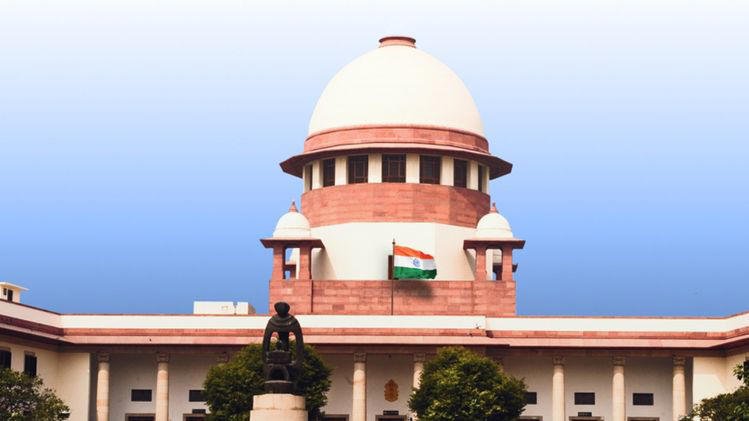
The Supreme Court of India has allowed the Manipur government to appoint a Director General of Police (DGP) from outside the state cadre, providing administrative flexibility amid ongoing law and order and policing challenges in the northeastern state.
According to legal sources, the apex court granted permission following submissions related to administrative requirements and the need for effective police leadership in Manipur.
The decision is expected to help the state government appoint a senior IPS officer from another cadre if required for the top police post.
Officials said the matter was considered in the context of maintaining administrative efficiency and strengthening policing systems in the conflict-affected state.
The ruling has attracted attention because appointments of DGPs generally follow cadre-based norms and established selection procedures.
Supreme Court Grants Administrative Flexibility
Legal sources said the Supreme Court allowed Manipur to seek a suitable DGP candidate from outside the state cadre under special circumstances.
The court reportedly considered submissions regarding administrative necessity and the prevailing security situation in the state.
Officials stated that the decision would provide the government greater flexibility in choosing experienced police leadership for handling complex law and order challenges.
The ruling may allow the state to appoint a senior IPS officer with experience in security management, conflict resolution, or counter-insurgency operations.
Legal experts noted that such permissions are generally considered exceptional and linked to specific administrative circumstances.
Manipur Continues Facing Security Challenges
Manipur has witnessed prolonged ethnic tensions, violence, and law and order disturbances over the past several months.
Security agencies, police forces, and central paramilitary units have remained heavily deployed across sensitive districts in the state.
Officials said effective coordination between police leadership and security agencies remains essential for maintaining peace and restoring normalcy.
The state administration has repeatedly emphasised the need for strong policing systems and administrative stability during the ongoing crisis.
Political observers believe the appointment of an experienced DGP could play a significant role in improving law enforcement coordination.
Role of DGP Crucial in State Administration
The Director General of Police serves as the highest-ranking police officer in a state and plays a central role in law enforcement, intelligence coordination, and security planning.
The DGP oversees policing operations, coordination with central agencies, and administrative management of the police force.
Officials said leadership at the top level becomes especially important in states facing security challenges or communal tensions.
Experts noted that experienced police leadership can help improve operational efficiency, crisis management, and coordination among security agencies.
The Supreme Court’s decision is therefore being viewed as an important administrative development for Manipur.
Legal and Administrative Significance
Legal experts said the court’s decision reflects flexibility within administrative frameworks under exceptional circumstances.
While DGP appointments usually follow state cadre norms and UPSC-guided procedures, courts and governments may consider special arrangements in specific situations.
Analysts stated that security concerns and administrative requirements likely influenced the decision in this case.
The ruling may also set an important reference point regarding administrative discretion during extraordinary situations affecting public order and governance.
However, experts stressed that such exceptions remain rare and context-specific.
State Government Yet to Announce Appointment
The Manipur government has not yet officially announced the name of any officer for the DGP position following the Supreme Court order.
Sources indicated that authorities may now begin consultations regarding suitable candidates with relevant policing and security experience.
Officials said the selection process would likely involve coordination with central authorities and administrative departments.
The state government is expected to prioritise leadership capable of handling sensitive law and order situations effectively.
Political observers noted that the final appointment may attract considerable public and administrative attention.
Opposition and Political Reactions
The court decision has triggered political discussion in Manipur and beyond.
Some political observers described the move as a practical administrative step considering the security challenges faced by the state.
Others argued that the government must also focus on long-term institutional strengthening and restoration of public trust in policing systems.
Opposition leaders are expected to closely monitor the appointment process and future policing strategies in the state.
Analysts noted that security and governance issues remain politically sensitive in Manipur because of continuing ethnic tensions.
Security Situation Remains Delicate
Manipur continues witnessing periodic tensions despite efforts by security forces and administrative authorities to restore stability.
The Centre and state government have repeatedly held review meetings regarding law and order, relief measures, and peace-building efforts.
Officials said police leadership remains critical for improving intelligence gathering, maintaining coordination, and preventing further violence.
Authorities also continue focusing on rehabilitation efforts, recovery of weapons, and restoration of normal public services in affected regions.
Experts believe strong and credible policing leadership could help improve confidence among communities and administrative agencies.
Centre-State Coordination Important
The security situation in Manipur has required extensive coordination between the state government, central ministries, and security agencies.
Officials stated that police administration, intelligence operations, and peace initiatives involve multiple agencies working together.
The appointment of a senior police officer from outside the cadre may also help improve operational coordination and administrative oversight.
Experts said interstate experience and exposure to complex security environments could prove useful in handling challenging situations.
Authorities continue emphasising the importance of restoring long-term peace and stability in the state.
Judicial Oversight in Administrative Matters
The Supreme Court has frequently examined issues related to governance, policing, and administrative appointments in various states.
Legal experts noted that judicial oversight often becomes important in situations involving institutional functioning and public administration.
The court’s latest decision reflects the judiciary’s role in balancing procedural norms with practical governance needs under exceptional circumstances.
Observers said the ruling may help the Manipur government move more quickly regarding police leadership decisions.
Meanwhile, the Supreme Court’s approval allowing Manipur to appoint a DGP from outside the state cadre marks a significant administrative development as authorities continue efforts to strengthen policing and restore stability in the violence-affected northeastern state.