


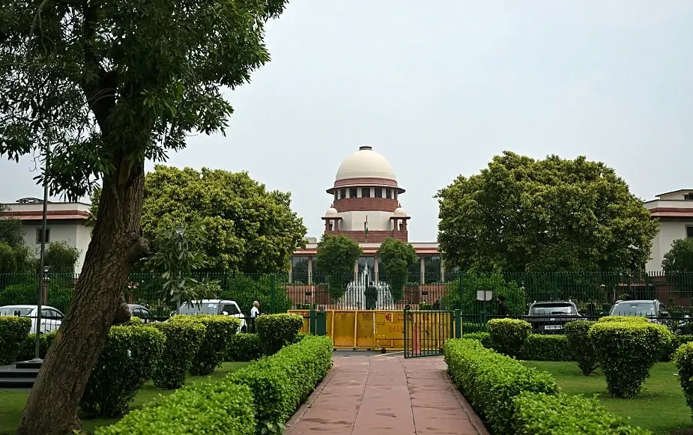
The Supreme Court has allowed civic elections in Punjab to proceed through ballot papers, clearing the way for local body polls amid ongoing legal and administrative discussions surrounding the electoral process. The decision has brought clarity to election preparations and enabled authorities to move forward with arrangements for conducting the polls.
The matter had attracted attention due to questions surrounding the voting process and election management mechanisms. With the court permitting elections through traditional ballot papers, attention now shifts towards implementation, election preparedness, and ensuring smooth conduct of the electoral exercise.
Officials stated that local body elections remain an important component of democratic governance because they directly influence grassroots administration and local representation.
Supreme Court Clears Way for Civic Polls
The Supreme Court’s decision allows Punjab’s civic elections to proceed using ballot papers, removing uncertainty around the conduct of the electoral process.
According to reports, the matter reached the court amid questions regarding voting procedures and election implementation. After hearing submissions, the court allowed authorities to continue preparations under the ballot paper system.
The decision is expected to provide administrative clarity and support election scheduling and logistical planning.
Officials stated that election management requires certainty regarding procedural frameworks so that preparations can move forward efficiently.
The ruling therefore marks an important development for the upcoming local electoral process in Punjab.
Ballot Paper Voting Receives Judicial Approval
The use of ballot papers became the central issue during the proceedings and received judicial approval for the civic elections.
Ballot paper-based elections remain a familiar mechanism in local electoral processes and continue to be used in different contexts depending on administrative requirements and legal provisions.
Officials stated that conducting elections through ballot papers requires detailed logistical planning including printing, distribution, monitoring, and counting arrangements.
Election authorities are expected to prepare operational frameworks to ensure smooth implementation.
Observers noted that procedural clarity often becomes essential in maintaining electoral preparedness and public confidence.
The decision now provides a defined path for implementation.
Local Body Elections Seen as Important for Governance
Civic elections play an important role in local governance because they determine representation at municipal and grassroots levels.
Officials stated that local institutions contribute significantly to service delivery, development planning, and administrative implementation.
Through local body elections, citizens elect representatives responsible for addressing community-level issues and supporting governance mechanisms.
Authorities highlighted that timely conduct of elections remains important for maintaining institutional continuity.
The decision therefore has implications beyond the electoral process itself and supports broader governance objectives.
Observers noted that local governance remains closely connected to public participation.
Election Preparations Expected to Accelerate
Following the court’s decision, authorities are expected to intensify preparations for conducting the elections.
Officials stated that election planning includes multiple stages involving administrative coordination, staffing, logistics, and voter arrangements.
The administration is expected to focus on ensuring that operational requirements are completed within the prescribed timelines.
According to observers, election preparation becomes more efficient once procedural questions receive legal clarity.
Authorities are also expected to coordinate with local institutions and election management teams.
Attention will remain focused on implementation and readiness.
Administrative Coordination Becomes Key Priority
Election experts stated that conducting civic elections through ballot papers requires extensive coordination across departments.
Officials highlighted that planning includes voter management, polling station readiness, material distribution, and counting procedures.
Authorities are expected to maintain systems that support transparency and operational efficiency throughout the process.
Election management also requires communication and timely execution at different administrative levels.
Observers stated that coordination remains one of the most important factors in ensuring smooth polling.
The court’s decision has therefore shifted attention towards execution and preparedness.
Political Attention Turns Towards Local Electoral Process
The ruling has also generated political interest as parties begin focusing on local electoral strategies and public engagement.
Political observers noted that civic elections often influence local political narratives and become important indicators of organisational strength.
Parties are expected to intensify outreach and campaign planning as election preparations move forward.
The decision has therefore created momentum within political circles ahead of the polls.
Observers stated that local elections frequently shape future political conversations and public expectations.
Attention is likely to remain on campaign approaches and participation.
Ballot-Based Elections Bring Operational Considerations
While ballot paper elections remain an established process, they involve specific administrative and operational requirements.
Officials stated that authorities must ensure proper handling of voting materials and maintain procedural safeguards.
Election systems depend on effective implementation and adherence to established norms.
Observers noted that operational planning becomes particularly important in large-scale electoral exercises.
Authorities are expected to continue preparations with a focus on smooth conduct and institutional efficiency.
Administrative readiness will remain under close attention in the coming weeks.
Decision Brings Clarity Ahead of Punjab Civic Elections
The Supreme Court’s decision permitting Punjab civic elections through ballot papers has provided certainty regarding the electoral process and allowed authorities to move ahead with implementation.
Officials stated that the ruling supports timely election management and helps maintain continuity in local governance systems.
Political parties, election administrators, and local institutions are now expected to focus on preparations and public engagement.
As Punjab moves closer to the civic polls, attention will remain on election readiness, administrative coordination, and ensuring a smooth and transparent electoral process across local bodies in the state.