


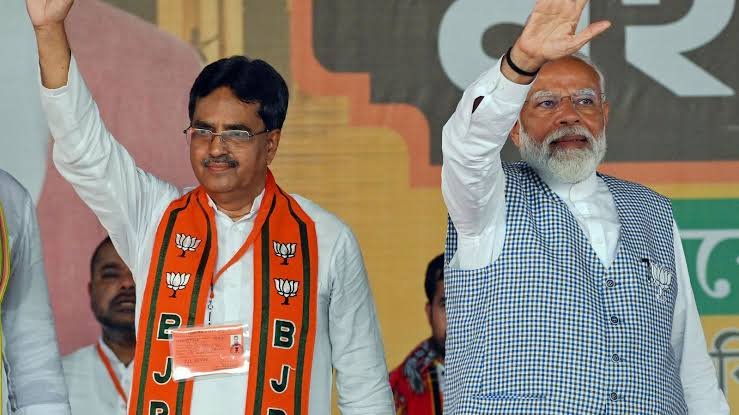
The surrendered militants reject police meeting controversy intensified after representatives from the JARC and JAC insurgent returnee groups expressed dissatisfaction with the outcome of their discussions with the Special Branch Superintendent of Police. Moreover, the groups reiterated that their proposed rail and highway blockade would proceed unless Tripura Chief Minister Dr. Manik Saha directly intervenes. Consequently, the development has raised concerns regarding law and order and the need for continued dialogue. Meanwhile, authorities are closely monitoring the situation and engaging with stakeholders.
Rural Employment System Strain Intensifies as Gram Rozgar Sevaks Plan State-Wide Agitation
Left Front Targets Electoral Roll Revision
Surrendered Militants Reject Police Meeting With Special Branch Officials
The surrendered militants reject police meeting issue emerged after representatives from the JARC and JAC returnee groups reportedly expressed disappointment with the discussions held with the Special Branch SP. Moreover, they indicated that the meeting failed to address their concerns adequately.
Dialogue between authorities and former insurgent groups often plays an important role in maintaining peace and ensuring successful rehabilitation. Furthermore, such engagements are considered essential for addressing grievances through institutional mechanisms. As a result, the outcome of the meeting has attracted considerable attention.
According to representatives of the groups, their demands remain unresolved despite the discussions. Additionally, they emphasized the need for higher-level intervention. Therefore, the issue has assumed political and administrative significance.
Meanwhile, officials continue to assess the situation and maintain communication channels. Similarly, stakeholders are expected to pursue further discussions aimed at preventing escalation. Hence, the matter remains under close observation.
Although disagreements may arise, dialogue remains an important tool for conflict resolution. Nevertheless, continued engagement remains essential.
JARC and JAC Groups Reiterate Blockade Plans
The surrendered militants reject police meeting development gained further significance after the returnee groups reiterated their intention to proceed with a rail and highway blockade. Moreover, they maintained that the proposed action would continue unless Chief Minister Dr. Manik Saha personally intervenes.
Public protests and demonstrations are frequently used by groups to draw attention to unresolved issues. Furthermore, negotiations and administrative interventions often play a key role in addressing disputes. Consequently, the latest announcement has heightened interest in the evolving situation.
The groups have stressed the importance of direct engagement with the state’s leadership. Additionally, they have called for a resolution through dialogue. Therefore, political observers are closely following the developments.
Meanwhile, authorities continue to focus on maintaining public order and preventing disruptions. Similarly, efforts to encourage peaceful solutions are expected to continue. Hence, the issue has become a matter of wider concern.
Although differing positions persist, institutional mechanisms provide opportunities for resolving grievances. Nevertheless, constructive dialogue remains necessary.
Surrendered Militants Reject Police Meeting Amid Calls for Chief Minister’s Intervention
The surrendered militants reject police meeting issue has placed renewed attention on the importance of communication between authorities and rehabilitation groups. Moreover, the demand for the Chief Minister’s intervention highlights the significance attached to political engagement.
Rehabilitation and reintegration efforts often require sustained dialogue and confidence-building measures. Furthermore, addressing grievances through peaceful means contributes to long-term stability. As a result, maintaining communication channels remains important.
The returnee groups’ insistence on direct intervention reflects their expectation of higher-level involvement. Additionally, authorities are expected to continue exploring avenues for a peaceful resolution. Therefore, negotiations remain a key aspect of the process.
Meanwhile, public attention remains focused on whether further discussions will take place. Similarly, stakeholders continue to emphasize the importance of maintaining stability. Hence, developments surrounding the issue are being closely watched.
Although tensions may emerge, peaceful engagement remains crucial. Nevertheless, cooperation among all parties continues to be important.
Authorities Monitor Situation to Maintain Stability
The surrendered militants reject police meeting controversy has also underscored the importance of preserving public order and ensuring uninterrupted transportation networks. Moreover, any disruption involving railways and highways could have wider implications.
Transport infrastructure plays a critical role in connectivity and economic activities. Furthermore, maintaining normalcy remains essential for citizens and businesses. Consequently, authorities continue to monitor developments carefully.
Officials are expected to prioritize dialogue and preventive measures to avoid escalation. Additionally, maintaining peace and stability remains a major administrative objective. Therefore, efforts to find a mutually acceptable solution are likely to continue.
Meanwhile, communities and stakeholders continue to hope for a peaceful resolution. Similarly, political leaders are expected to remain engaged with the issue. Hence, maintaining communication remains a key priority.
Although challenges may arise, peaceful negotiations often provide the most effective path forward. Nevertheless, sustained efforts remain necessary.
Conclusion
The surrendered militants reject police meeting issue has brought renewed focus to the concerns raised by representatives of the JARC and JAC returnee groups in Tripura. Moreover, their dissatisfaction with the outcome of discussions with the Special Branch SP and their warning of a rail and highway blockade have heightened attention on the matter. Consequently, the demand for Chief Minister Dr. Manik Saha’s direct intervention has become a central issue.
The development also highlights the importance of dialogue, rehabilitation, and conflict resolution in maintaining long-term stability. Furthermore, authorities are expected to continue engaging with stakeholders to prevent disruptions and preserve public order. As a result, efforts toward a peaceful settlement are likely to remain a priority.
Looking ahead, the surrendered militants reject police meeting controversy will depend largely on continued communication and the willingness of all parties to pursue constructive solutions. Additionally, maintaining peace and ensuring uninterrupted connectivity will remain essential objectives. Therefore, dialogue and cooperation will continue to play a critical role.
FAQs
1. Who rejected the meeting with the Special Branch SP?
Representatives from the JARC and JAC insurgent returnee groups expressed dissatisfaction with the meeting’s outcome.
2. What action have the groups threatened?
Moreover, they reiterated plans to proceed with a rail and highway blockade unless their concerns are addressed.
3. Whose intervention are the groups seeking?
The groups have called for direct intervention by Tripura Chief Minister Dr. Manik Saha. Consequently, the issue has gained political significance.
4. Why is the issue important?
The matter is important because any disruption to railway and highway networks could affect connectivity and public order. Furthermore, it highlights the need for continued dialogue.
5. Why is the surrendered militants reject police meeting issue significant?
The issue is significant because it underscores the importance of rehabilitation, communication, and peaceful conflict resolution in maintaining stability.