


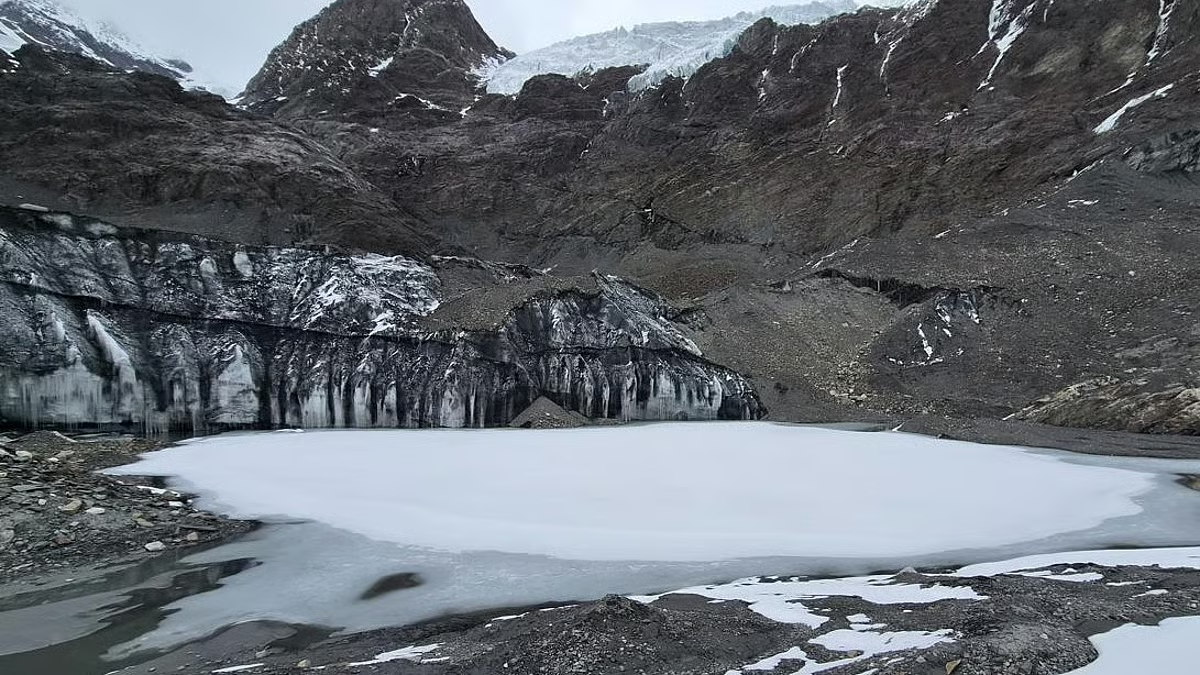
Tawang Glacier Melting Warning has emerged after environmental experts and local authorities reported rapid melting activity at the Khangri Glacier in Tawang. Officials warned that the accelerated ice loss is creating unstable terrain and increasing the risk of flash floods and glacial lake outburst incidents in nearby regions. Scientists monitoring the glacier stated that rising temperatures and changing weather conditions may be contributing to the unusually fast melting process.
Authorities in Arunachal Pradesh have started closely monitoring river levels, landslide-prone areas, and vulnerable settlements located downstream from the glacier. Disaster management teams also issued precautionary advisories for residents and travelers in sensitive mountain zones.
Suvendu Adhikari Begins Bengal Leadership Era
TMC Post Poll Violence Allegations Escalate
Rapid Ice Melt Observed in Glacier Region
Researchers and local officials reported visible changes in the structure of the Khangri Glacier over recent months. Large ice sections have reportedly weakened, while meltwater accumulation has increased around nearby slopes and valleys. Experts stated that unstable terrain and loose debris could trigger sudden landslides or water surges during periods of heavy rainfall.
Tawang Glacier Melting Warning gained attention after satellite observations and field reports indicated accelerated glacier retreat in the region. Environmental scientists explained that Himalayan glaciers are particularly vulnerable to climate variability and rising temperatures.
Authorities also warned that rapid snow and ice melt may affect nearby streams and rivers flowing through mountain settlements. Increased water flow combined with loose sediment may raise the danger of flash flooding in downstream areas.
Flash Flood Risks Increase in Tawang
Disaster management officials expressed concern regarding the possibility of glacial lake outburst floods, commonly known as GLOFs. These floods occur when water trapped behind ice or loose moraine barriers suddenly breaks through, releasing massive volumes of water downstream.
Tawang Glacier Melting Warning prompted emergency agencies to intensify monitoring around vulnerable river channels and mountain villages. Officials stated that heavy rainfall during the monsoon season could further weaken glacier structures and increase the risk of sudden flooding.
Residents in low-lying areas near rivers have been advised to remain alert and follow official warnings. Authorities also recommended avoiding travel through landslide-prone roads during periods of heavy rain or unstable weather conditions.
Scientists Cite Climate Concerns
Environmental experts stated that glacier retreat in the Himalayan region has accelerated over the past several decades because of changing climate patterns. Rising temperatures, irregular snowfall, and intense rainfall events are affecting glacier stability across multiple mountain regions.
Researchers monitoring the Eastern Himalayas noted that glaciers in Arunachal Pradesh and neighboring states are experiencing measurable ice loss. Experts warned that long-term glacier melting may impact water resources, biodiversity, and ecological balance across the region.
Tawang Glacier Melting Warning has therefore renewed discussions about climate adaptation and environmental monitoring in fragile mountain ecosystems. Scientists emphasized the importance of continuous glacier observation and disaster preparedness planning.
Local Authorities Strengthen Monitoring Measures
Authorities in Arunachal Pradesh stated that district officials, disaster response teams, and environmental agencies are coordinating efforts to assess risks linked to the glacier. River monitoring systems and weather surveillance activities have reportedly increased in vulnerable locations.
Officials also instructed local administrations to prepare emergency response plans in case of sudden flooding or landslide incidents. Rescue teams remain on standby in sensitive areas where heavy rainfall and unstable slopes could create additional risks.
Tawang Glacier Melting Warning also affected tourism-related activities in high-altitude regions. Travelers visiting mountain routes and remote valleys have been advised to follow weather advisories and avoid restricted areas near unstable glacier zones.
Environmental Impact Raises Wider Concerns
Experts stated that glacier melting may lead to long-term environmental consequences for the Himalayan ecosystem. Increased erosion, sediment movement, and unstable mountain terrain could affect forests, wildlife habitats, and river systems in the region.
Environmental groups also stressed the need for stronger climate resilience measures and sustainable development planning in ecologically sensitive areas. They argued that mountain communities face growing risks from changing weather patterns and glacier instability.
Tawang Glacier Melting Warning highlighted the importance of balancing infrastructure development, tourism, and environmental conservation across the Northeast’s fragile mountain landscapes.
Communities Urged to Remain Alert
Local authorities advised residents living near rivers and mountain slopes to remain cautious during periods of heavy rainfall. Public announcements and awareness campaigns have been initiated to educate communities about emergency response procedures in case of flash floods or landslides.
Officials also appealed to travelers and tourists to avoid entering restricted glacier zones without permission from local authorities. Emergency shelters and communication systems are being reviewed as part of disaster preparedness measures.
Tawang Glacier Melting Warning remains active as scientists and disaster response agencies continue monitoring glacier movement, rainfall intensity, and river conditions in the region.
Conclusion
Rapid melting at the Khangri Glacier in Tawang has raised serious environmental and safety concerns across Arunachal Pradesh. Authorities and scientists warned that unstable terrain, rising meltwater levels, and heavy rainfall could increase the danger of flash floods and glacial lake outburst events. Tawang Glacier Melting Warning now remains a critical issue for local administrations, disaster management agencies, and environmental experts as they continue monitoring conditions in the fragile Himalayan region.
FAQs
Where is the Khangri Glacier located?
The Khangri Glacier is located in Tawang district of Arunachal Pradesh.
Why are authorities concerned about the glacier?
Rapid melting is creating unstable terrain and increasing the risk of flash floods and landslides.
What is a glacial lake outburst flood?
It is a sudden flood caused by the collapse of ice or moraine barriers holding glacier meltwater.
What factors are causing glacier melting?
Experts cited rising temperatures, changing climate patterns, and irregular weather conditions.
Have authorities issued safety advisories?
Yes, local administrations issued warnings for residents and travelers in vulnerable areas.
Can glacier melting affect nearby communities?
Yes, flash floods, landslides, and river overflow can threaten settlements downstream from the glacier.