


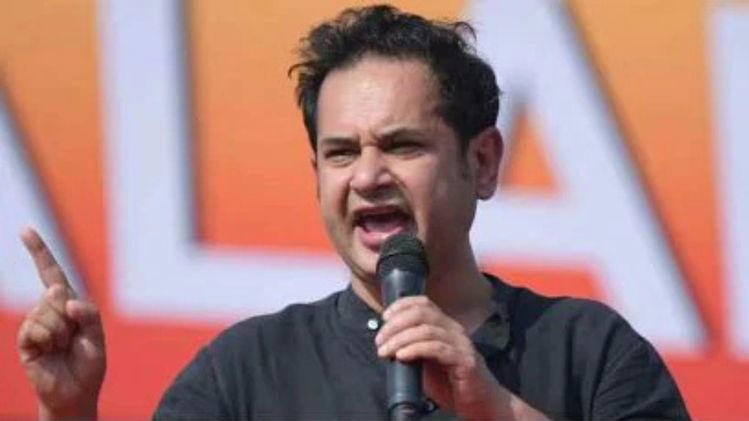
The Tipra Motha Party (TMP) has issued a stern warning to the Tripura government, threatening to withdraw from the cabinet if the long-pending Tiprasa Accord delay continues. The party, which represents a major share of Tripura’s tribal population, expressed frustration over the lack of visible progress in implementing the commitments made under the agreement. TMP leaders have accused both the state and central governments of neglecting tribal concerns and failing to deliver on key promises.
Read More: Tripura : Mayor Vows Justice After Teen Critical in Alleged Assault
Growing frustration over pending Tiprasa Accord
At the heart of the conflict lies the Tiprasa Accord delay, which has become a symbol of unfulfilled expectations among Tripura’s tribal communities. TMP chief Pradyot Kishore Manikya Debbarma, who led the delegation to New Delhi, demanded swift action from the interlocutor appointed for the accord. He emphasized that the delay is not only eroding trust among the people but also putting pressure on TMP leaders who have assured their communities of positive change.
TMP members have pointed out that several bills passed by the Tripura Tribal Areas Autonomous District Council (TTAADC) are still awaiting approval from the state government. They argue that this backlog reflects the administration’s lack of commitment to empowering tribal self-governance. In addition, the long-pending 125th Constitutional Amendment, vital for expanding powers to autonomous councils, has yet to be cleared. These hurdles together underline why the Tiprasa Accord delay has become such a politically charged issue.
TMP’s political strategy and implications
By threatening to quit the cabinet, Tipra Motha aims to pressure its coalition partner, the Bharatiya Janata Party (BJP), into taking decisive action. The TMP currently holds one ministerial position in the Tripura government, and its exit could significantly affect the ruling alliance. The move also signals to tribal voters that the party prioritizes principles and promises over power-sharing.
The Tiprasa Accord delay is not just about administrative obstacles; it is a test of political will. TMP leaders have repeatedly said they will not compromise on the demands of the tribal population. Their message is clear — unless meaningful progress is seen, the party is ready to walk out of the government.
Barriers to implementing the Tiprasa Accord
Several challenges continue to stall the implementation process. Many crucial bills passed by the TTAADC remain pending approval from the state assembly. Without this clearance, administrative reforms cannot move forward. The delay in the 125th Constitutional Amendment Bill further limits the council’s autonomy and weakens the promise of genuine self-governance.
TMP also accuses the state government of deliberately slowing down the process to retain control over tribal areas. Party leaders believe that despite repeated meetings and assurances, no significant progress has been made. The Tiprasa Accord delay, they argue, reflects deeper political hesitation to share power with indigenous communities.
Possible outcomes if TMP exits the cabinet
If the Tipra Motha Party decides to withdraw from the Tripura cabinet, it will mark a major political shift in the state. Such a move could destabilize the current coalition and force the BJP to seek new alliances or face growing discontent among tribal voters. TMP’s exit would also highlight the growing gap between promises made and actions taken regarding the Tiprasa Accord.
From a political standpoint, walking out may strengthen TMP’s credibility among its supporters. It will position the party as one that values accountability and action over empty assurances. However, it may also reduce its immediate influence in the government, limiting its ability to push for direct reforms. The final outcome will depend on how both the state and central governments respond in the coming weeks.
Urgency for resolution
As tensions rise, it is clear that resolving the Tiprasa Accord delay is critical for maintaining political stability in Tripura. The tribal population, which forms a vital segment of the state’s demographic, is growing impatient for results. TMP’s warning to exit the cabinet serves as a wake-up call for the ruling alliance. Without tangible progress, trust between the government and tribal leadership may erode further.
The coming days will determine whether the accord finally sees action or remains stuck in bureaucratic limbo. The state’s leadership must now decide whether to address tribal aspirations sincerely or risk a political rift that could reshape Tripura’s future.
Read More: Nagaland Employees Announce 3-Day Pen Down Strike Over IAS Row