


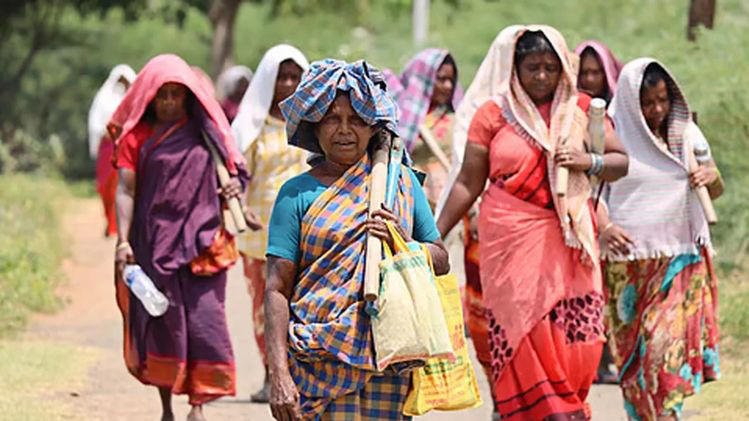
Tripura has received an allocation of Rs 1,040 crore under the Central government’s newly launched rural livelihood scheme, marking a significant boost for the state’s efforts to strengthen rural infrastructure, generate employment, and improve the socio-economic conditions of villages. The financial assistance is expected to support a wide range of livelihood initiatives aimed at empowering rural communities, promoting sustainable income opportunities, and accelerating inclusive development across the state.
The allocation reflects the Centre’s continued emphasis on strengthening rural economies through targeted investments in infrastructure, skill development, self-employment, and community-based development programmes. For Tripura, where a large section of the population depends on agriculture and allied activities, the funding is expected to play an important role in improving livelihoods and enhancing economic resilience.
Major Financial Boost for Rural Development
The allocation of Rs 1,040 crore is expected to support the implementation of multiple projects designed to improve the quality of life in rural areas. The funds will be utilised for livelihood generation, infrastructure development, capacity building, and community empowerment programmes that directly benefit rural households.
Officials believe that the financial support will strengthen local economies by creating employment opportunities while improving access to essential services and productive assets. The scheme is also expected to encourage greater participation of women, self-help groups (SHGs), farmers, artisans, and rural entrepreneurs in income-generating activities.
District administrations and implementing agencies will work together to ensure that the funds are utilised efficiently and that projects are completed within the prescribed timelines.
Focus on Sustainable Livelihood Opportunities
One of the primary objectives of the new rural livelihood scheme is to create sustainable sources of income for rural families. The programme aims to reduce poverty by supporting activities that enhance productivity, encourage entrepreneurship, and improve access to financial resources.
The scheme is expected to promote diversified livelihood opportunities in agriculture, horticulture, fisheries, animal husbandry, handicrafts, food processing, and rural enterprises. Training and skill development programmes will also be introduced to equip beneficiaries with the knowledge and expertise needed to improve productivity and generate higher incomes.
By encouraging self-employment and small-scale enterprises, the initiative seeks to strengthen the economic independence of rural households while reducing dependence on seasonal employment.
Empowering Women Through Self-Help Groups
Women are expected to play a central role in the implementation of the rural livelihood programme. A significant portion of the initiative focuses on strengthening self-help groups by improving access to credit, financial literacy, skill development, and enterprise support.
Over the years, self-help groups have emerged as important drivers of rural development by enabling women to establish small businesses, participate in community decision-making, and improve household incomes. The new funding is expected to further expand these opportunities by providing greater institutional and financial support.
Officials believe that empowering women economically contributes not only to family welfare but also to broader social and community development across rural areas.
Strengthening Rural Infrastructure
Apart from livelihood generation, the allocation will also support the development of essential rural infrastructure that facilitates economic growth and improves living conditions. Investments are expected in rural roads, storage facilities, market infrastructure, irrigation systems, and other community assets that help strengthen local economies.
Improved infrastructure enables farmers and rural entrepreneurs to access markets more efficiently, reduce transportation costs, and minimise post-harvest losses. Better connectivity also improves access to education, healthcare, banking services, and government welfare programmes.
The government aims to ensure that infrastructure development complements livelihood initiatives, creating long-term economic benefits for rural communities.
Promoting Agriculture and Allied Sectors
Agriculture continues to be the backbone of Tripura’s rural economy, and the new scheme is expected to provide significant support to farmers and allied sectors. Investments in improved farming practices, irrigation facilities, modern agricultural techniques, and value-added activities are likely to enhance productivity and increase farmers’ incomes.
The programme also encourages diversification into horticulture, fisheries, livestock rearing, beekeeping, and other allied activities that can provide additional sources of income for rural households.
Capacity-building initiatives, extension services, and technical support will help beneficiaries adopt modern technologies and sustainable agricultural practices suited to local conditions.
Generating Employment in Rural Areas
Employment generation remains one of the central goals of the rural livelihood scheme. By supporting community-based enterprises, infrastructure projects, and skill development initiatives, the programme aims to create both direct and indirect employment opportunities across Tripura’s villages.
Youth, women, and economically weaker sections are expected to benefit through vocational training, entrepreneurship support, and improved access to credit and market linkages. These initiatives are designed to strengthen local economies while reducing migration in search of employment.
Officials believe that sustainable livelihood opportunities at the village level can contribute significantly to balanced regional development and improved standards of living.
Effective Implementation Through Community Participation
The success of the programme will depend on strong coordination between government departments, local bodies, financial institutions, self-help groups, and community organisations. Participatory planning and community ownership are expected to ensure that projects address local needs and deliver lasting benefits.
Monitoring mechanisms will be established to ensure transparency, timely implementation, and efficient utilisation of funds. Regular evaluations will help assess progress, identify challenges, and introduce corrective measures wherever necessary.
The government has emphasised that active community involvement is essential for achieving the scheme’s long-term objectives and ensuring sustainable rural development.
A Step Towards Inclusive Rural Prosperity
The allocation of Rs 1,040 crore under the Centre’s new rural livelihood scheme marks a significant opportunity for Tripura to strengthen its rural economy and improve the lives of thousands of families. By focusing on livelihood generation, women’s empowerment, infrastructure development, agriculture, and entrepreneurship, the programme seeks to create a more resilient and self-reliant rural landscape.
As the state begins implementing the various components of the scheme, sustained coordination, effective monitoring, and active public participation will be crucial to ensuring its success. If implemented efficiently, the initiative has the potential to transform rural communities, generate lasting employment opportunities, and contribute significantly to Tripura’s long-term economic and social development.