

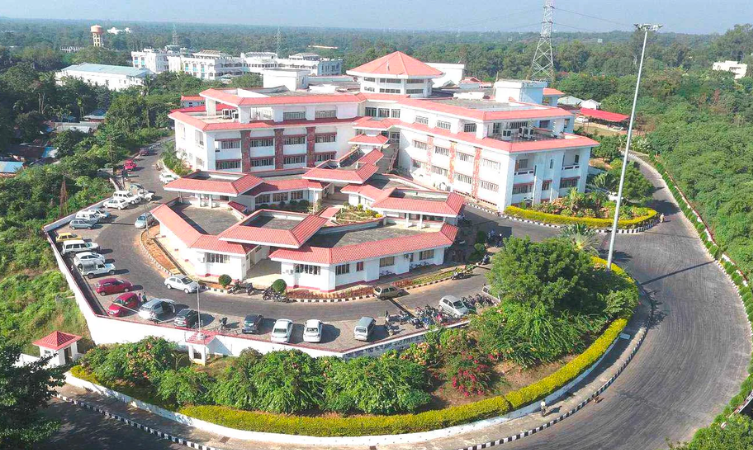
Tripura’s Green Step from the Top
The Raj Bhavan in Agartala now runs on clean power. A new rooftop solar power plant was installed recently. It has a capacity of 40 kW. This is the first of its kind in the state’s highest office. The Governor’s residence now shows how leadership can adopt green energy. The initiative aligns with national solar goals. It also sets a benchmark for all state buildings. The move was appreciated across departments. It proves that public offices can go green too.
Rooftop Solar Project Details
The rooftop unit will reduce electricity bills. It will also cut carbon emissions. The plant was built using central and state support. Engineers used latest solar panels. The system is connected to the grid. Excess energy goes back into the power system. This will ensure energy savings daily. Raj Bhavan will now depend less on the regular grid. It promotes a self-sustained model. A backup battery ensures supply during cloudy days. It is a smart, reliable setup.
Inspiration for Other Institutions
The Governor urged other departments to follow. He asked schools, hospitals, and offices to adopt rooftop solar. This can reduce costs and promote clean living. Government buildings consume a lot of energy. Solar plants can reduce dependency on fossil fuels. Many state buildings are now reviewing their energy plans. The Energy and Power departments are creating solar blueprints. This project started a conversation across Tripura. The goal is a solar-powered government network.
Part of a Larger Solar Mission
Tripura aims to generate 150 MW solar power by 2027. The Raj Bhavan project is part of this journey. Over 13,000 homes already have solar systems. Many more are applying under Surya Ghar Muft Bijli Yojana. Government buildings will soon get solar panels. These efforts are reducing pressure on the power grid. The state will save fuel and money. It also helps India move closer to net-zero goals. Every solar panel counts. Every institution’s effort matters.
Public Response and Future Scope
Citizens welcomed the initiative. They shared positive feedback online. Students and NGOs praised the project. Local colleges are considering similar setups. The Raj Bhavan project is now a model. The government may offer more rooftop subsidies. Officials plan awareness drives soon. The future looks bright for solar energy in Tripura. If more people join, the shift will be faster. Raj Bhavan has taken the first bold step. The Raj Bhavan solar plant marks a new era. It proves clean energy is possible and practical. When top offices lead, others follow. Tripura is showing the way in Northeast India. Solar energy is not just for homes—it works for big offices too. With support and action, the state can turn green. This is just the beginning of a cleaner Tripura.
READ: Shivraj Singh Chouhan visits Assam, assures flood relief