


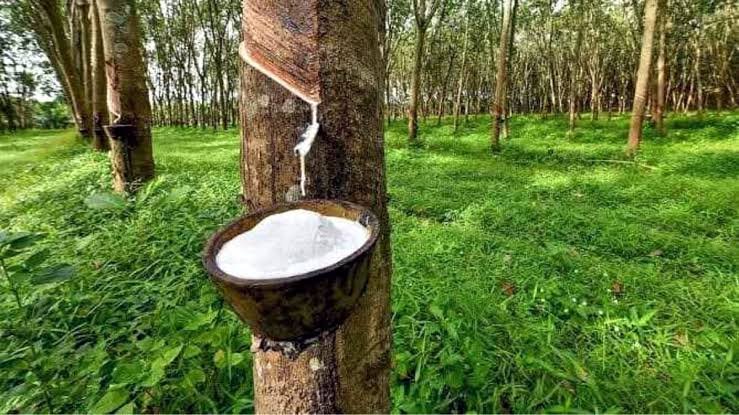
Tripura rubber processing hubs are emerging as an important part of the state’s efforts to improve farmers’ earnings and strengthen its natural rubber industry. The Tribal Welfare Department allocated ₹27.50 crore during the 2025–26 financial year to expand processing infrastructure in tribal areas. The initiative includes rubber-sheet production units, smoking houses, roller machines and skills training. Meanwhile, an earlier ₹500 crore proposal from the Rubber Board highlighted the scope for wider industrial development. Together, these efforts underline the importance of processing, value addition and better market access for Tripura’s rubber growers.
Donyi Polo Airport Upgrades Strengthen Night Operations in Arunachal Pradesh
Tripura Rubber Processing Hubs Drive Local Value Addition
Tripura has established itself as one of India’s major natural rubber-producing states. Rubber cultivation supports thousands of rural households, particularly in tribal areas where families depend on agriculture and other land-based activities. However, the economic benefits depend not only on cultivation but also on how farmers process and sell their produce.
In February 2026, reports said the state’s Tribal Welfare Department had allocated ₹27.50 crore under the Centre’s Special Assistance to States for Capital Investment scheme. The funding supports the Rubber Processing Scheme during the 2025–26 financial year. Its main objective is to strengthen primary processing facilities in tribal regions.
The plan includes local units for producing rubber sheets, along with smoking houses and roller machines. These facilities can help growers process raw latex closer to their plantations. The programme also includes skill development for tribal youth, creating opportunities to build technical knowledge related to rubber processing.
Officials estimated the cost of each processing unit at approximately ₹75 lakh. Reports also stated that the department had issued administrative approval for the final instalment of ₹9.20 crore after earlier releases of ₹11.30 crore and ₹2 crore.
However, allocation and approval do not automatically confirm that every planned facility has started operating. Reports also highlighted the requirement for progress reports, utilisation certificates and geo-tagged photographs to document implementation. Monitoring will therefore remain important as the scheme moves forward.
The emphasis on local processing addresses a longstanding challenge for small rubber growers. When farmers have limited access to processing facilities, they may need to depend on intermediaries or travel farther to prepare their produce for sale. Local infrastructure could reduce some of these difficulties and help producer groups organise their operations more efficiently.
Nevertheless, the final impact will depend on timely construction, suitable equipment and reliable access for growers. Processing units must also maintain quality standards and establish dependable buyer relationships. These measures can help turn infrastructure investment into lasting economic benefits for rural communities.
Tripura Rubber Processing Hubs and the ₹500 Crore Proposal
The ₹500 crore figure in discussions about Tripura’s rubber industry comes from an earlier development proposal, rather than a confirmed revenue milestone. In December 2022, the Rubber Board sought ₹500 crore in funding from the Tripura government to strengthen rubber processing and develop rubber-based industries across the state.
Rubber Board chairman Dr Sawar Dhanania discussed the proposal during a visit to Agartala. The plan aimed to improve processing infrastructure and encourage the production of additional goods from rubber and rubber wood. The Board also offered support for preparing a detailed project report.
At the time, the proposal highlighted opportunities beyond the sale of raw latex and conventional rubber sheets. Mature rubber trees eventually reach the end of their productive tapping life. Their wood can then serve as a raw material for furniture and other products, creating another potential source of income for growers and businesses.
The Rubber Board also suggested developing rubber-wood processing units through public-private partnerships or private investment. Sepahijala district was identified as a possible location for additional processing activity because of its substantial rubber-growing area.
Tripura already had a rubber-wood factory operated by the Tripura Forest Development and Plantation Corporation at Anandanagar in West Tripura. However, the earlier proposal sought wider industrial participation to expand processing opportunities.
These plans illustrate the difference between revenue and investment. A ₹500 crore development proposal represents the scale of funding sought for sectoral improvements; it does not mean that the state or the Rubber Board earned ₹500 crore in revenue. Nor do the available reports establish that the full proposal received approval or was implemented.
Even so, the proposal identified an important opportunity for Tripura. Local industries could potentially transform raw materials into products with greater commercial value. Such development may also support employment in manufacturing, transport, maintenance and marketing.
The current ₹27.50 crore allocation for processing infrastructure in tribal areas is a separate development. Its progress should be assessed through the facilities established, the farmers served and the benefits generated rather than by treating the earlier ₹500 crore proposal as an achieved financial target.
How Local Rubber Processing Could Benefit Farmers
Processing infrastructure can help rubber growers in several ways. First, local facilities may allow farmers to convert latex into rubber sheets nearer to their plantations. This can simplify the initial processing stage and reduce the need to transport unprocessed material over long distances.
Second, organised processing can help producer groups improve consistency. Smoking houses and roller machines support specific stages of rubber-sheet preparation. When operators follow appropriate procedures, they can produce material that meets buyers’ quality requirements more consistently.
Better quality can strengthen a farmer’s position in the market. However, improved prices are not guaranteed. Buyers consider several factors, including quality, moisture content, market conditions, transport costs and demand from manufacturers. Therefore, processing units must maintain standards and connect farmers with reliable purchasers.
Third, collective facilities may reduce some of the difficulties faced by small and marginal growers. Individual farmers may struggle to invest in machinery or establish suitable processing spaces. Shared facilities can distribute certain costs across multiple users, provided the management system remains transparent and accessible.
The scheme’s skills component is also significant. Training can help local workers learn equipment operation, quality control and safe processing practices. These capabilities may support employment for tribal youth while strengthening the technical capacity of village-level enterprises.
In addition, local processing could help communities explore opportunities in rubber-based manufacturing. Rubber sheets can supply industrial buyers, while mature rubber wood may support furniture production and other suitable applications. However, such expansion requires investment, technical expertise, consistent raw-material supplies and access to markets.
Digital trading platforms may provide another route to improved market visibility. The Rubber Board’s mRube platform enables registered market participants to trade natural rubber online. By bringing buyers and sellers together, the platform can improve access to price information and provide another channel for commercial transactions.
Yet digital trading cannot replace physical processing, storage and transport infrastructure. Farmers still need products that meet buyer specifications and facilities that prepare rubber for sale. Consequently, combining local processing with market information and organised marketing could offer a more complete solution.
The government and implementing agencies must also ensure that facilities remain operational after construction. Maintenance costs, electricity, staffing, equipment repairs and working capital can affect the long-term viability of each unit. Clear management arrangements and regular monitoring will help protect the public investment.
Challenges and Future Prospects for Tripura’s Rubber Industry
Tripura’s rubber industry has considerable potential, but processing infrastructure alone cannot resolve every challenge. Farmers remain exposed to fluctuations in natural rubber prices, production costs and changing demand from industrial buyers. Local processing may improve their options, yet growers still need fair prices and dependable sales channels.
The implementation of the Rubber Processing Scheme will be a key test. Authorities must track construction, equipment installation and actual usage. Progress reports and supporting documents can help verify expenditure, identify delays and guide decisions about subsequent stages.
Access also matters. Facilities should serve nearby growers without creating unnecessary transport expenses or complicated administrative requirements. Producer societies and community organisations can help coordinate supplies, manage shared equipment and communicate farmers’ needs to officials.
Meanwhile, the state can explore stronger connections between rubber cultivation and downstream manufacturing. Products made from natural rubber serve tyre and non-tyre industries, while mature rubber wood can support selected wood-based businesses. However, any expansion must reflect commercially viable demand rather than rely on projections alone.
Environmental and technical considerations also deserve attention. Processing units should follow appropriate waste-management and workplace-safety practices. Efficient equipment, trained operators and responsible resource use can help reduce operating problems while supporting sustainable rural enterprise.
The state’s broader objective should be to retain more economic value within Tripura. When processing, manufacturing and marketing take place closer to production areas, communities may gain access to additional employment and business opportunities. Achieving that outcome will require coordination among government departments, the Rubber Board, producer societies, financial institutions and private businesses.
Ultimately, the success of Tripura’s rubber development efforts will depend on measurable results. These include operational processing units, greater farmer participation, consistent product quality, reliable buyers and improved returns for growers. Transparent reporting will help determine whether the investment delivers those outcomes.
Conclusion
Tripura rubber processing hubs could strengthen the state’s natural rubber economy by improving access to local processing, supporting skills development and creating opportunities for value addition. The ₹27.50 crore allocation announced for the 2025–26 financial year provides targeted support for infrastructure in tribal areas. However, authorities must demonstrate implementation progress and ensure that the planned facilities operate effectively.
The earlier ₹500 crore proposal from the Rubber Board also highlighted the potential for broader processing and rubber-based manufacturing. Nevertheless, that figure represents a historical funding proposal, not confirmed revenue earned by the state or the Board. Distinguishing proposed investment from actual results is essential when assessing the industry’s development.
For rubber growers, the priority remains better market access and more dependable returns. Local processing facilities, quality control, training and organised marketing could help achieve that goal. Their long-term value will depend on whether farmers can use the infrastructure easily and secure tangible economic benefits from the resulting products.
FAQs
1. Why is Tripura developing local rubber processing hubs?
The state is expanding processing infrastructure to help growers prepare rubber sheets locally, improve product quality and strengthen market access. The initiative also aims to support rural livelihoods and provide skills training for tribal youth.
2. What is the ₹27.50 crore allocation for rubber processing in Tripura?
The allocation supports the Rubber Processing Scheme in tribal areas during the 2025–26 financial year. The planned infrastructure includes rubber-sheet production units, smoking houses and roller machines.
3. Does the Rubber Board have a confirmed ₹500 crore revenue target?
The available reports do not confirm a new ₹500 crore revenue target. In December 2022, the Rubber Board sought ₹500 crore from the Tripura government for a broader rubber-sector development proposal.
4. How could processing units help Tripura’s rubber farmers?
Local units could reduce some processing and transport difficulties, improve product preparation and strengthen collective marketing. The actual benefits will depend on operating costs, product quality, market demand and the prices buyers offer.
5. What challenges could affect the success of rubber processing hubs?
Potential challenges include implementation delays, equipment maintenance, operating costs, quality control and access to reliable buyers. Regular monitoring and effective management will be essential to ensure that the facilities provide lasting benefits.