


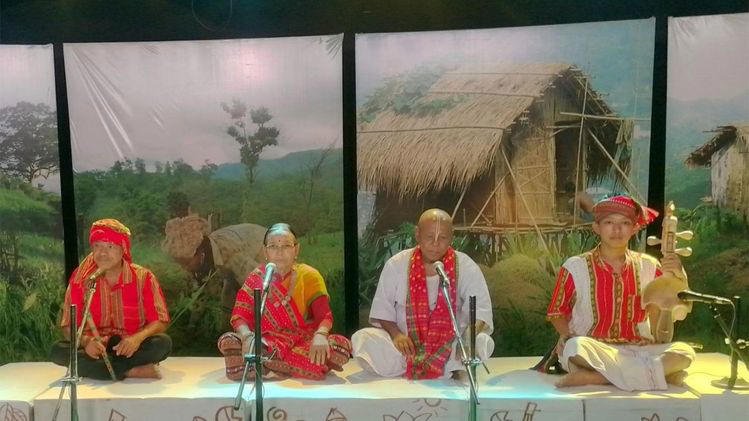
The state’s traditional musical instrument, the Sarinda, has been granted the prestigious Geographical Indication (GI) tag, becoming Tripura’s fourth heritage product to receive the coveted recognition. The milestone marks an important achievement in preserving the state’s indigenous craftsmanship while enhancing national and international recognition of its unique cultural traditions.
The GI tag acknowledges the Sarinda’s distinctive identity, traditional manufacturing techniques, and deep historical association with Tripura. The recognition is expected to strengthen the livelihoods of artisans, promote cultural tourism, and create new opportunities for marketing the traditional instrument both within India and abroad.
The development has been welcomed as a proud moment for the state, highlighting Tripura’s efforts to preserve its artistic and cultural legacy.
What Makes the Sarinda Unique
The Sarinda is a traditional bowed string musical instrument that has been an integral part of Tripura’s indigenous cultural heritage for generations. Handcrafted by skilled artisans using locally available materials, the instrument is known for its distinctive shape, intricate craftsmanship, and melodious sound.
Traditionally played during cultural performances, folk music, religious gatherings, and community celebrations, the Sarinda occupies a special place in the cultural life of several indigenous communities in the state.
Its unique construction, which reflects centuries-old craftsmanship passed down through generations, distinguishes Tripura’s Sarinda from similar instruments found in other parts of the country.
The GI recognition formally acknowledges these unique characteristics and their geographical association with Tripura.
Importance of the Geographical Indication Tag
The Geographical Indication tag is granted to products whose qualities, reputation, or characteristics are closely linked to a specific geographical region. It provides legal recognition and protection against unauthorised imitation while enhancing the commercial value of authentic products.
For the Sarinda, the GI tag not only safeguards its traditional identity but also recognises the expertise of local artisans who have preserved the instrument’s craftsmanship over many generations.
The recognition is expected to improve market opportunities, strengthen branding, and encourage greater appreciation of Tripura’s indigenous art forms.
It also helps consumers identify authentic products originating from the region.
Boost for Traditional Artisans
One of the most significant benefits of the GI tag is the economic opportunity it creates for local artisans. Craftsmen involved in making the Sarinda are expected to benefit from increased demand, improved market visibility, and stronger intellectual property protection.
The recognition may also encourage younger generations to learn the traditional craft, ensuring that valuable skills continue to be passed on within artisan communities.
Government agencies and cultural organisations are expected to support capacity-building initiatives, exhibitions, training programmes, and marketing efforts aimed at expanding the reach of authentic Tripura Sarinda products.
The GI tag thus serves both cultural preservation and economic development objectives.
Strengthening Tripura’s Cultural Identity
Tripura is home to a vibrant cultural heritage shaped by its diverse indigenous communities, traditional art forms, music, dance, handicrafts, and folklore. The inclusion of the Sarinda among the state’s GI-recognised products reinforces Tripura’s reputation as a centre of rich artistic traditions.
Cultural experts believe that preserving traditional musical instruments is essential for maintaining the continuity of indigenous knowledge and artistic expression.
Recognition through the GI framework encourages greater documentation, promotion, and preservation of traditional practices while increasing awareness among younger generations about their cultural roots.
The Sarinda stands as a symbol of Tripura’s enduring artistic identity and cultural resilience.
Opportunities for Cultural Tourism
The GI recognition is also expected to contribute to the growth of cultural tourism in Tripura. Tourists increasingly seek authentic cultural experiences, including traditional music, handicrafts, and indigenous heritage.
The Sarinda can become an important cultural attraction through exhibitions, live performances, craft demonstrations, museums, and heritage festivals showcasing Tripura’s unique traditions.
Officials believe that integrating GI-tagged products into tourism promotion strategies can generate additional income for local communities while strengthening the state’s cultural economy.
The recognition may also attract researchers, musicians, and cultural enthusiasts interested in exploring Tripura’s indigenous artistic heritage.
Government’s Focus on Heritage Preservation
The achievement reflects ongoing efforts by the government and various cultural institutions to preserve, promote, and protect Tripura’s traditional knowledge systems and indigenous crafts. Authorities have consistently encouraged documentation, skill development, and institutional support for heritage products that represent the state’s unique identity.
Recognition under the GI framework provides additional momentum for these preservation initiatives by creating awareness about the importance of safeguarding traditional craftsmanship.
Officials have reiterated their commitment to supporting artisans through marketing assistance, exhibitions, training, and promotional programmes aimed at enhancing the visibility of GI-tagged products.
Such initiatives contribute to both cultural sustainability and rural livelihoods.
Fourth GI-Tagged Heritage Product
With the inclusion of the Sarinda, Tripura now has four products that have received Geographical Indication recognition. This growing list reflects the state’s rich cultural diversity and the unique characteristics of its traditional products.
Each GI registration strengthens Tripura’s identity while demonstrating the importance of preserving region-specific knowledge, craftsmanship, and cultural practices.
Experts believe that additional traditional products from the state may also qualify for GI recognition in the future, further expanding opportunities for artisans and strengthening Tripura’s cultural economy.
The success of the Sarinda serves as an encouraging example for other traditional crafts awaiting similar recognition.
Preserving Tradition for Future Generations
Beyond commercial benefits, the GI tag plays an important role in preserving cultural heritage for future generations. The recognition encourages documentation of traditional craftsmanship, supports artisan communities, and creates incentives for continuing age-old manufacturing techniques.
Educational institutions, cultural organisations, and local communities are expected to play an important role in promoting awareness about the Sarinda and its historical significance.
By preserving traditional musical instruments, Tripura also safeguards the stories, customs, rituals, and artistic expressions closely associated with its indigenous communities.
The GI recognition therefore represents both cultural preservation and sustainable development.
A Proud Milestone for Tripura’s Cultural Legacy
The recognition of Tripura’s traditional Sarinda with a Geographical Indication tag marks a significant milestone in the state’s ongoing efforts to preserve and promote its rich cultural heritage. As the fourth heritage product from Tripura to receive GI status, the Sarinda now enjoys legal protection, enhanced market visibility, and greater national recognition.
The achievement is expected to benefit artisans, strengthen cultural tourism, encourage preservation of indigenous craftsmanship, and inspire younger generations to carry forward centuries-old traditions. As Tripura continues celebrating and protecting its unique artistic heritage, the GI recognition of the Sarinda stands as a testament to the enduring value of traditional knowledge, craftsmanship, and cultural identity in an increasingly globalised world.