


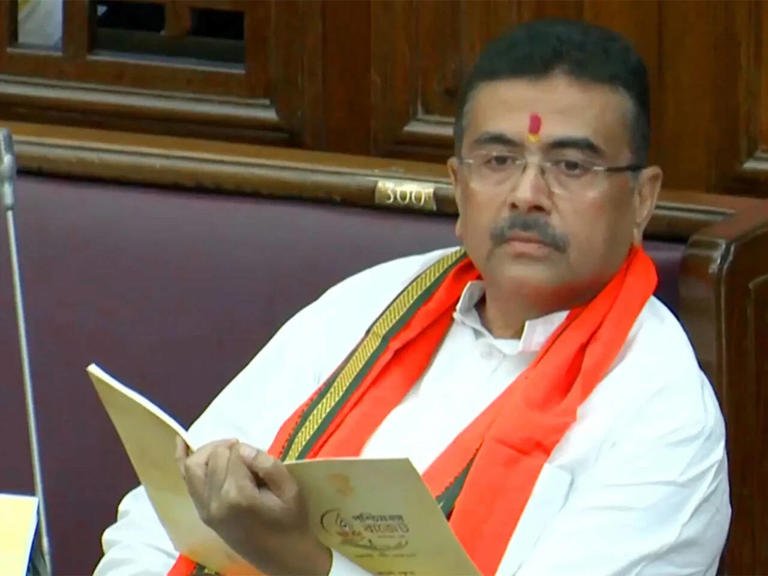
A senior functionary has stated that the proposed Uniform Civil Code (UCC) Bill is expected to be introduced and passed during the August session of the West Bengal Assembly, indicating a significant political and legislative development in the state. The announcement has sparked fresh discussions on one of the country’s most debated policy issues, with political parties, legal experts, and civil society closely monitoring the developments.
According to the senior leader, preparations are underway for the proposed legislation, and the government intends to move forward with the Bill as part of its broader legislative agenda. While detailed provisions of the proposed law have not yet been made public, the announcement has generated considerable interest due to the potential legal and social implications of implementing a Uniform Civil Code at the state level.
The proposed move comes amid ongoing national discussions surrounding the idea of establishing uniform personal laws governing matters such as marriage, divorce, inheritance, adoption, and succession.
UCC Remains a Significant Policy Debate
The Uniform Civil Code has remained one of India’s most widely debated legal and constitutional issues for several decades. The concept broadly seeks to establish a common set of civil laws applicable to all citizens irrespective of religion, replacing separate personal laws that currently govern family-related matters among different religious communities.
Supporters of the proposal argue that a Uniform Civil Code would promote equality before the law, simplify legal procedures, and strengthen gender justice by ensuring uniform rights and responsibilities for all citizens.
On the other hand, critics have expressed concerns regarding cultural diversity, religious freedom, and the preservation of personal laws that reflect different traditions and customs.
The issue continues to generate extensive legal, political, and constitutional discussions across the country.
Proposed Legislation Expected During August Session
The senior functionary indicated that the Bill is likely to be taken up during the Assembly’s August session, subject to legislative procedures and scheduling.
Officials are expected to complete necessary administrative and legal preparations before the Bill is formally introduced in the House. Once tabled, the legislation would be debated by members of the Assembly before any voting process takes place.
The legislative process may include detailed discussions on the objectives, provisions, implementation framework, and legal implications of the proposed law.
Political observers expect the Bill to attract significant attention both inside and outside the Assembly, given the national importance of the Uniform Civil Code debate.
Legal and Constitutional Considerations
The proposed legislation is expected to draw attention from constitutional experts and legal scholars due to its potential implications for personal laws and civil rights.
Article 44 of the Constitution, included among the Directive Principles of State Policy, states that the State shall endeavour to secure a Uniform Civil Code for citizens throughout the territory of India. While Directive Principles are not legally enforceable, they serve as guiding principles for governance and policymaking.
Legal experts have noted that any proposed legislation would need to be examined carefully to ensure consistency with constitutional provisions, judicial precedents, and existing statutory laws.
The legislative process is therefore likely to involve detailed legal scrutiny before implementation.
Political Reactions Expected
The announcement has already generated political interest, with various parties expected to express differing views on the proposed legislation as discussions progress.
Supporters are likely to present the Bill as an important step towards legal uniformity, equal rights, and administrative simplification. Opposing voices may raise questions regarding constitutional interpretation, religious diversity, federal principles, and the practical implementation of such legislation.
The Assembly debate is expected to provide legislators with an opportunity to present their respective positions while examining the social, legal, and administrative dimensions of the proposal.
Political analysts believe that the issue could become a major topic of public discussion in the coming weeks.
Public Consultation and Stakeholder Engagement
As discussions surrounding the proposed Bill continue, legal professionals, community organizations, academics, and civil society groups are expected to contribute to the broader debate.
Many policy experts have emphasized the importance of extensive consultations with stakeholders before introducing legislation affecting personal laws and family-related legal matters.
Such consultations, they argue, can help identify practical challenges, improve legislative clarity, and ensure that diverse perspectives are adequately considered during policymaking.
Constructive public engagement may also contribute to greater awareness and understanding of the objectives and implications of the proposed legislation.
Legislative Process and Future Course
If introduced during the August Assembly session, the proposed UCC Bill will undergo the standard legislative process, including presentation, discussion, possible amendments, and voting by members of the House.
Depending on the outcome of legislative deliberations, the Bill may proceed through subsequent constitutional procedures before becoming law. Administrative departments would then be responsible for preparing implementation mechanisms, framing necessary rules, and ensuring effective enforcement.
Officials have not yet disclosed a detailed implementation timeline, indicating that further announcements are likely after the legislative process progresses.
Focus on Governance and Legal Reform
The proposed move to introduce the Uniform Civil Code Bill reflects continuing discussions on legal reform and governance in India. Whether viewed through the lens of equality, constitutional policy, administrative efficiency, or cultural diversity, the issue remains one of the country’s most significant public policy debates.
As the anticipated August Assembly session approaches, attention is expected to remain focused on the proposed legislation, its provisions, and the discussions it generates among lawmakers and the public.
The senior functionary’s statement has brought the issue back into the political spotlight, setting the stage for an important legislative debate in West Bengal. Whatever the final outcome, the discussions surrounding the proposed UCC Bill are expected to contribute significantly to the broader national conversation on legal reform, constitutional values, and the future of civil laws in India.