


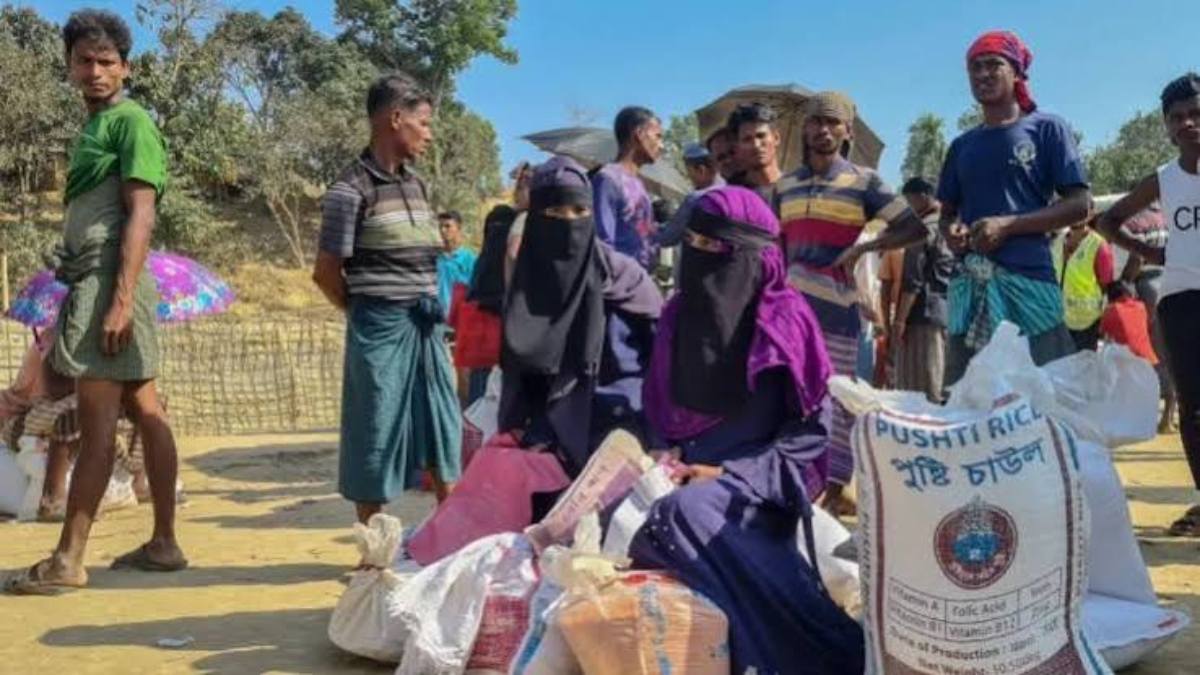
Mizoram Bangladesh refugee influx has become a growing concern for the state government, with Home Minister K. Sapdanga calling for a clear and comprehensive policy to address the arrival of refugees from Bangladesh’s Chittagong Hill Tracts (CHT). Speaking at a seminar in Aizawl, the minister stressed that Mizoram must carefully balance humanitarian responsibilities with security concerns as more displaced people seek shelter across the international border. His remarks come amid continued instability in the CHT, where many indigenous tribal communities have reportedly been forced to flee their ancestral lands.
Why the Mizoram Bangladesh refugee influx is becoming a major issue
Addressing the seminar titled “The Potential Impact on Mizoram by the Increasing Subjugation of Tribal People in Bangladesh and the Chittagong Accord,” Sapdanga said the state government should formulate a well-defined policy for receiving and accommodating refugees arriving from Bangladesh.
According to the minister, Zo ethnic communities living in Bangladesh’s hill regions are facing mounting pressure, resulting in the occupation of traditional tribal lands and increasing insecurity. These developments have compelled many families to cross into Mizoram seeking safety. Besides Zo communities, members of the Chakma and Bru communities have also been displaced and have entered the state.
Sapdanga emphasized that the government must seriously deliberate on how these displaced people should be accommodated while ensuring the state’s security interests remain protected.
Humanitarian support continues amid security concerns
The Home Minister acknowledged that churches, voluntary organisations, and civil society groups in Mizoram have played a significant role in providing humanitarian assistance to refugees. Relief efforts have included food, shelter, and essential supplies for those fleeing violence and displacement.
However, Sapdanga noted that while humanitarian assistance remains important, the growing number of arrivals also requires careful planning. He expressed hope that discussions involving the government, churches, tribal organisations, and voluntary groups would help develop a practical and sustainable approach to managing the situation.
Mizoram Bangladesh refugee influx linked to developments in Chittagong Hill Tracts
The refugee movement is closely connected to the changing situation in Bangladesh’s Chittagong Hill Tracts. Speakers at the seminar highlighted reports of increasing pressure on indigenous tribal populations, forcing many residents to leave their homes.
Political Adviser to Chief Minister Lalduhoma, Lalmuanpuia Punte, said policymakers must clearly understand the conditions prevailing in neighbouring regions before framing an effective response. He added that studying the reasons behind cross-border migration would help the government prepare informed policies for future challenges.
Border districts remain on the frontline
Mizoram shares a 318-kilometre international border with Bangladesh through the districts of Lawngtlai, Lunglei and Mamit. These districts have witnessed the arrival of displaced tribal families over the past several years.
According to the state Home Department, more than 2,000 people belonging to the Bawm tribe—an ethnic Mizo community from Bangladesh—have been living in Mizoram since 2022 after fleeing military operations in the Chittagong Hill Tracts. Their continued presence has reinforced calls for a structured refugee management policy.
The state has also been managing refugees from Myanmar and internally displaced persons from Manipur, increasing pressure on available resources and administrative capacity. Recent biometric registration drives have recorded thousands of refugees from neighbouring countries, while the Centre has extended humanitarian assistance, including food support, to help the state manage the burden.
Civil society raises concerns over migration
Several prominent organisations in Mizoram, including the Young Mizo Association (YMA), Mizo Zirlai Pawl (MZP), and the Mizo Students’ Union (MSU), have previously expressed concerns regarding migration from Bangladesh, particularly involving members of the Chakma community.
While these organisations have supported humanitarian assistance for genuine refugees, they have also urged authorities to maintain effective border management and ensure that security considerations are not overlooked. Their concerns reflect the broader debate in Mizoram over balancing compassion with administrative preparedness.
Policy discussion likely to gain momentum
Sapdanga’s remarks have renewed attention on the need for a formal refugee policy tailored to Mizoram’s unique circumstances. The state has long accommodated displaced communities sharing ethnic and cultural ties with local residents, but successive refugee movements from Bangladesh, Myanmar and Manipur have increased demands on infrastructure, public services and relief mechanisms.
Officials believe that a comprehensive framework could help streamline humanitarian assistance, improve coordination among government agencies and civil society organisations, and strengthen security oversight without compromising support for vulnerable communities.
As cross-border displacement continues to affect Northeast India, Mizoram’s call for a structured policy highlights the growing need for coordinated responses that address both humanitarian obligations and long-term governance challenges.
Swift Assam Communal Tension Arrests: Five Held for Alleged Bid to Disturb Peace