


Bill to Rename West Bengal as Paschim Banga
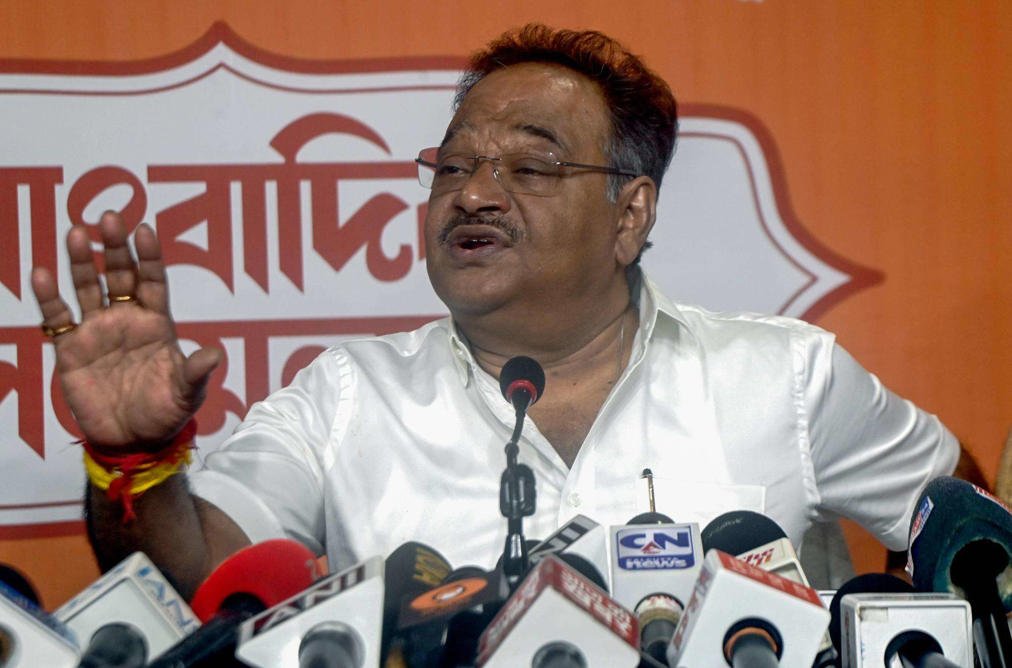
A Bill seeking to change the name of West Bengal to Paschim Banga will be brought before the state Assembly, BJP state president Samik Bhattacharya has said. The announcement has brought the long-standing debate over the state’s official name back into focus.
According to Bhattacharya, the proposed name would better reflect the historical and cultural identity of the state. The move is also expected to trigger fresh political discussions over the significance of the name West Bengal and the state’s relationship with the wider historical Bengal region.
The proposed legislation would seek to replace the existing official name “West Bengal” with “Paschim Banga”.
Samik Highlights Historical Identity
Explaining the proposal, Bhattacharya said the name of the state should reflect its history, particularly the events surrounding the Partition of Bengal.
Bengal was divided during Partition, with the eastern part eventually becoming Bangladesh while the western portion remained part of India. The term “Paschim Banga”, meaning western Bengal, has therefore been presented as a name that reflects the state’s geographical and historical position.
Bhattacharya has argued that the name would preserve the state’s connection with Bengal while clearly identifying the Indian part of the region.
Earlier Attempts to Change the Name
The proposal to rename West Bengal is not new. Successive state governments have attempted to change the state’s official name at different points.
In 2011, the state government proposed “Paschim Banga” as an alternative name. The issue was later revisited in 2016, when proposals involving different names in different languages were discussed.
In 2018, the West Bengal Assembly passed a resolution proposing “Bangla” as the state’s name. However, the proposal did not receive the necessary approval from the Centre and the name officially remained West Bengal.
The latest proposal for “Paschim Banga” therefore represents another attempt to address the issue.
Why Paschim Banga Is Being Considered
The phrase “Paschim Banga” has long been used in Bengali to refer to the western part of Bengal. Supporters of the name argue that it reflects the state’s linguistic, cultural and historical identity.
The proposal also seeks to distinguish the Indian state from Bangladesh while retaining the broader historical association with Bengal.
For proponents, the name is therefore not simply an administrative change but a reference to the state’s history following the Partition.
Political Debate Likely to Intensify
The proposed Bill is likely to generate political debate, as the question of the state’s name has previously been a subject of disagreement between political parties.
While supporters of “Paschim Banga” have highlighted history and identity, the issue of renaming a state also involves constitutional and administrative considerations.
The proposal could consequently lead to discussions within the Assembly as well as between the state and the Centre.
Constitutional Procedure for Renaming a State
Changing the official name of an Indian state involves a constitutional process and cannot be completed solely through a resolution of the state Assembly.
A Bill concerning the alteration of a state’s name is introduced in Parliament after the President refers the proposal to the concerned state legislature for its views. The final decision requires parliamentary approval and presidential assent.
Therefore, even if the proposed Bill is introduced at the state level, several constitutional steps would have to be completed before the name could officially be changed.
West Bengal Name Change Debate Returns
The latest proposal has once again brought the West Bengal name change issue into the political spotlight. The debate touches upon the state’s history, Bengali identity and the legacy of Partition.
For Samik Bhattacharya and those supporting the proposal, “Paschim Banga” represents a name that connects the state with its historical roots while identifying its position as the western part of Bengal.
The proposed Bill will now be closely watched as the state prepares to take the issue forward through the legislative process.