


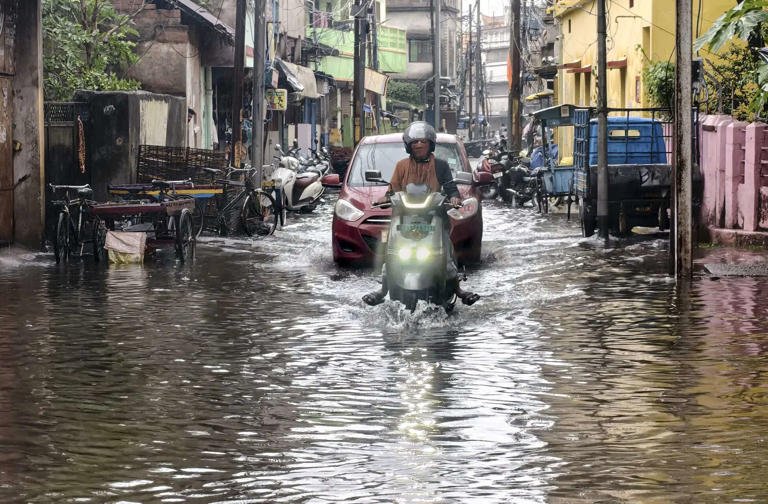
The India Meteorological Department (IMD) has issued a red alert for several districts of West Bengal as a low-pressure area has developed over the Bay of Bengal, raising the likelihood of widespread heavy to extremely heavy rainfall across the state. The weather system is expected to intensify rainfall activity over the coming days, prompting authorities to prepare for possible flooding, waterlogging, and disruptions to normal life.
The IMD has advised residents in vulnerable areas to remain alert and closely follow official weather updates. State authorities have also begun monitoring the evolving weather situation while coordinating with district administrations to ensure preparedness for any emergency arising from the adverse weather conditions.
Officials said continuous rainfall could affect transportation, agriculture, and public infrastructure in several districts if the weather system remains active.
Low-Pressure Area Triggers Intensified Monsoon Activity
According to meteorological officials, the formation of the low-pressure area over the Bay of Bengal has strengthened the southwest monsoon over eastern India, leading to enhanced rainfall activity across West Bengal.
As the weather system moves inland, it is expected to bring widespread rain accompanied by thunderstorms, lightning, and gusty winds in many districts.
The IMD noted that the interaction between the low-pressure system and prevailing monsoon currents is likely to result in prolonged spells of rainfall, particularly over southern and central parts of the state.
Weather experts stated that such systems commonly increase rainfall intensity during the monsoon season and require close monitoring due to their potential impact on daily life.
Red Alert Issued for Vulnerable Districts
The IMD’s red alert indicates the possibility of extremely heavy rainfall capable of causing significant disruption in affected areas.
District administrations have been advised to remain on high alert and activate disaster management protocols wherever necessary. Authorities are preparing to respond to possible incidents of urban flooding, landslides in vulnerable regions, traffic disruptions, and damage to public infrastructure.
Emergency response teams have been placed on standby, while local officials are reviewing preparedness measures, including the availability of rescue personnel, relief materials, and temporary shelters.
The weather department has urged residents in low-lying and flood-prone areas to exercise caution during the forecast period.
Administration Steps Up Preparedness
Following the issuance of the red alert, the West Bengal government and district administrations have intensified preparedness measures to minimise the impact of the expected heavy rainfall.
Disaster management authorities are closely monitoring weather updates and coordinating with municipal bodies, irrigation departments, police, fire services, and local administrations.
Officials have instructed civic agencies to ensure proper functioning of drainage systems, remove waterlogging where possible, and keep emergency equipment ready for deployment.
Control rooms have also been activated in several districts to facilitate rapid response in case of emergencies arising from heavy rainfall or flooding.
The administration has emphasized the importance of interdepartmental coordination during adverse weather conditions.
Possibility of Waterlogging and Transport Disruptions
Heavy rainfall associated with the developing weather system may lead to waterlogging in urban areas and temporary disruption of transportation services.
Road traffic could be affected due to inundated streets, reduced visibility, and slower vehicle movement. Localized flooding may also disrupt public transport operations and delay train or bus services in certain areas.
Authorities have advised commuters to check weather conditions before travelling and avoid unnecessary movement during periods of intense rainfall.
Motorists have been urged to drive cautiously, particularly in low-lying areas where water accumulation may occur rapidly.
Officials are monitoring major roads and vulnerable stretches to ensure prompt restoration of traffic movement if required.
Farmers Advised to Remain Vigilant
The rainfall is expected to have mixed implications for the agricultural sector.
While monsoon rains are beneficial for crop cultivation and replenishing water resources, excessive rainfall over a short period can damage standing crops, affect sowing activities, and cause waterlogging in agricultural fields.
Agriculture officials have advised farmers to closely monitor weather forecasts and take appropriate precautionary measures to protect crops, irrigation equipment, and stored agricultural produce wherever necessary.
The government continues to assess potential impacts on agriculture while coordinating with district-level agricultural departments.
Adequate rainfall remains important for kharif cultivation, but prolonged heavy rain may create localized challenges.
Public Urged to Follow Safety Guidelines
The IMD and disaster management authorities have appealed to the public to remain cautious throughout the period of adverse weather.
Residents have been advised to avoid venturing into waterlogged areas, stay away from damaged electrical installations, and refrain from taking shelter beneath weak structures or trees during thunderstorms.
People living in flood-prone or low-lying regions have been asked to remain alert and follow instructions issued by local authorities if evacuation becomes necessary.
Citizens have also been encouraged to rely only on official weather bulletins and avoid circulating unverified information through social media.
Emergency helplines remain operational to provide assistance if required.
Authorities Continue Monitoring Weather System
Meteorological officials continue to closely monitor the movement and intensity of the low-pressure area over the Bay of Bengal.
Regular weather updates are being issued to help government agencies and the public remain informed about changing conditions. The IMD has indicated that rainfall intensity may vary depending on the movement and strengthening of the weather system over the next few days.
Authorities have assured that necessary precautionary measures are in place to respond promptly to any adverse developments.
The red alert highlights the seriousness of the expected weather conditions and underscores the need for preparedness at both the administrative and community levels. As West Bengal braces for heavy rainfall, coordinated efforts by the IMD, disaster management agencies, and local authorities aim to minimise disruptions and ensure public safety. Citizens are encouraged to remain vigilant, follow official advisories, and cooperate with authorities until the weather situation improves.