


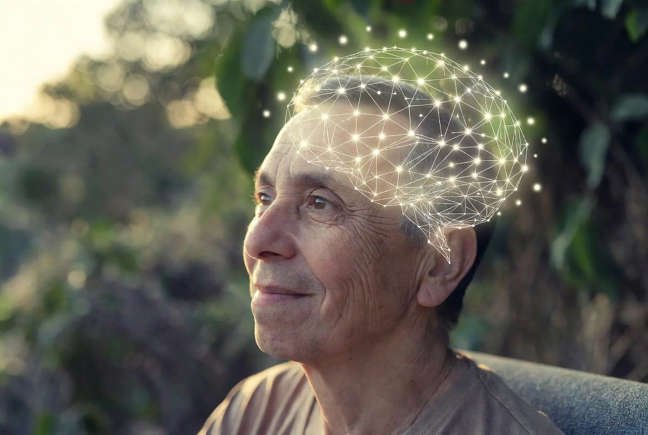
Training your brain to think positively can gradually change how you experience life. Although positivity does not mean ignoring problems, it helps you respond to challenges with clarity and resilience. When you train your brain to think positively, your thoughts, emotions, and even physical health begin to shift in meaningful ways. Over time, this mental training can influence how you handle stress, relationships, work pressure, and personal setbacks.
At first, positive thinking may feel forced or unrealistic. However, with consistent practice, the brain adapts. Just like physical exercise strengthens muscles, mental habits shape neural pathways. Therefore, repeated positive thought patterns slowly become your brain’s default response.
Read More: BJP–TMP Tie-up Limited to Assembly Polls, No Alliance for TTAADC: Tripura CM
How positive thinking rewires the brain
When you train your brain to think positively, you actively reshape neural connections. The brain follows a principle called neuroplasticity, which means it changes based on repeated experiences. As a result, positive thoughts strengthen pathways linked to calmness, motivation, and problem-solving.
Negative thinking often triggers stress responses such as anxiety or fear. In contrast, positive thinking activates areas related to reward and emotional balance. Over time, this shift reduces overthinking and emotional reactivity. Consequently, you gain better control over how you respond to daily situations.
Moreover, positive thinking does not eliminate negative emotions. Instead, it helps you process them more constructively. You acknowledge difficulties while still believing in solutions and growth.
Impact on mental health and emotional balance
One of the most noticeable effects when you train your brain to think positively involves mental health. Positive thinking reduces chronic stress and lowers the intensity of anxious thoughts. As a result, your mind feels lighter and more stable.
People who practice positive thinking often experience improved emotional regulation. For example, instead of reacting immediately with anger or frustration, they pause and choose a calmer response. Therefore, emotional outbursts reduce over time.
Additionally, positive thinking supports self-esteem. When you consistently focus on strengths rather than flaws, self-doubt loses its grip. Consequently, confidence grows naturally, even during difficult phases.
Physical health benefits of positive thinking
Surprisingly, when you train your brain to think positively, your body also benefits. Studies consistently show that mindset affects physical health. Positive thinking lowers stress hormones such as cortisol, which directly influences blood pressure, immunity, and heart health.
Moreover, people with positive mindsets often maintain healthier habits. They sleep better, eat more mindfully, and stay consistent with exercise. Therefore, physical well-being improves alongside mental health.
Positive thinking also affects pain perception. When the mind remains calm and hopeful, the body handles discomfort more effectively. As a result, recovery from illness or fatigue often feels easier.
Improved focus and productivity
When you train your brain to think positively, focus improves significantly. Negative thinking drains mental energy through worry and self-criticism. In contrast, positive thinking frees cognitive space for creativity and problem-solving.
As a result, productivity increases. You approach tasks with confidence instead of fear of failure. Therefore, procrastination reduces, and motivation strengthens. Even when challenges arise, a positive mindset encourages persistence rather than avoidance.
Additionally, positive thinking improves decision-making. Calm and optimistic thinking allows you to evaluate options more clearly. Consequently, you make choices based on logic rather than emotional pressure.
Better relationships and social connection
Positive thinking also transforms relationships. When you train your brain to think positively, you communicate more openly and empathetically. Instead of assuming negative intentions, you give others the benefit of understanding.
As a result, conflicts reduce in intensity. Even when disagreements occur, positive thinkers focus on resolution rather than blame. Therefore, trust and emotional safety grow in relationships.
Moreover, positivity attracts connection. People naturally feel comfortable around individuals who radiate calmness and optimism. Consequently, social bonds strengthen, and loneliness decreases.
Resilience during setbacks and failure
Life inevitably brings setbacks. However, when you train your brain to think positively, you handle failure differently. Instead of seeing failure as a personal flaw, you view it as feedback and growth.
Positive thinkers bounce back faster because they believe difficulties remain temporary. Therefore, resilience becomes a natural response. Even during emotional pain, hope continues to exist.
This mindset does not deny struggle. Instead, it creates emotional strength to move forward despite discomfort. Over time, resilience becomes one of the strongest benefits of positive thinking.
How to start training your brain to think positively
Training your brain to think positively begins with small habits. First, notice your thought patterns without judgment. Awareness allows change. Then, gently replace negative self-talk with balanced, realistic thoughts.
Gratitude practice also plays a powerful role. Each day, acknowledging small positives shifts attention away from lack and fear. As a result, your brain learns to scan for good experiences.
Additionally, language matters. Words shape thought. Therefore, speaking kindly to yourself builds emotional safety. Over time, your internal dialogue becomes supportive rather than critical.
Consistency matters more than perfection. Even five minutes of positive reflection daily creates long-term change.
Long-term transformation through positive thinking
When you train your brain to think positively over time, life begins to feel more manageable and meaningful. Stress no longer controls your reactions. Instead, awareness and calm guide your decisions.
Gradually, optimism becomes natural rather than forced. You trust yourself more. You respond to challenges with patience. Most importantly, you experience inner peace even when external circumstances remain uncertain.
Positive thinking does not promise a perfect life. However, it offers a healthier way to experience reality. By training your brain to think positively, you build emotional strength, mental clarity, and lasting well-being—one thought at a time.
Read More: World Cancer Day Observed in Morigaon, Assam