


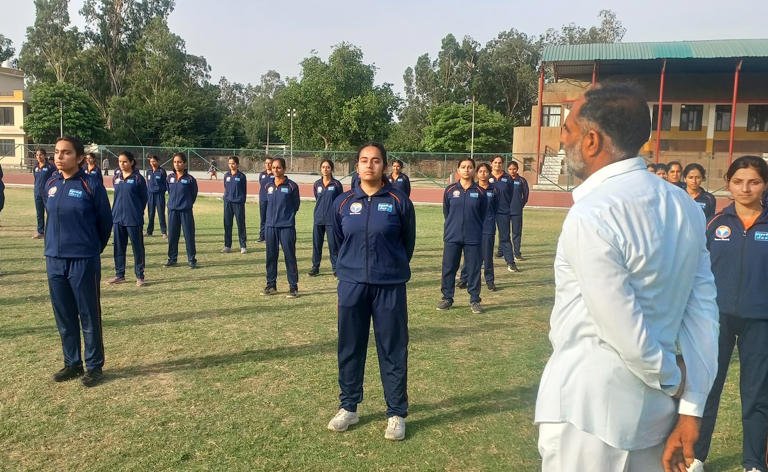
A quiet transformation is taking shape across rural parts of Jammu and Kashmir as young women increasingly prepare for police recruitment and public service careers. With determination, discipline, and growing support systems, many rural girls are stepping into training programmes with the goal of joining the police force and contributing to national service.
The changing trend reflects wider social shifts where education, opportunity, and aspiration are encouraging more young women to pursue careers that were once considered difficult to access.
For many participants, police service represents more than employment. It symbolises responsibility, independence, and the opportunity to contribute directly to society.
Growing Interest Among Rural Girls in Police Careers
Across several rural areas of Jammu and Kashmir, more young women have started preparing for police recruitment examinations and physical training.
Many candidates view policing as a profession that combines public service with personal growth and long-term career opportunities.
Training routines often include physical preparation, written examination support, and structured practice sessions designed to build confidence and readiness.
Participants say that joining the police offers an opportunity to become financially independent while serving communities.
Additionally, growing awareness about recruitment opportunities has encouraged more girls to consider careers in public institutions.
Families and local communities have also become increasingly supportive of such aspirations.
Training Creates New Opportunities
Training programmes and preparation initiatives are helping candidates strengthen both physical and academic readiness.
Preparation often includes running sessions, endurance exercises, guidance for written examinations, and motivational support.
These structured efforts help participants understand recruitment requirements and improve confidence.
Supporters of such initiatives believe that access to training reduces barriers and creates opportunities for candidates from rural backgrounds.
Moreover, regular practice and preparation encourage discipline and goal-oriented learning.
Participants continue to invest time and effort with hopes of securing positions in the police force.
The training environment also creates stronger peer support among aspirants.
Public Service Seen as a Path to Contribution
For many aspiring candidates, police service carries a deeper sense of purpose.
Young women preparing for recruitment often describe their ambitions in terms of service, responsibility, and community engagement.
They see the profession as an opportunity to support public safety and contribute to institutional development.
Public service careers also offer visibility and representation for women in leadership and operational roles.
Supporters believe greater participation of women can strengthen inclusivity within institutions.
Additionally, increased representation may encourage future generations to pursue similar goals.
The growing interest reflects changing perceptions around career possibilities.
Families and Communities Encourage Aspirations
Family support has emerged as an important factor behind the increasing participation of rural girls in training activities.
Parents and community members increasingly recognise the value of professional opportunities and educational advancement.
Encouragement from families often helps candidates remain committed during demanding preparation periods.
Communities also play a role by creating positive environments that support ambition and career growth.
Observers noted that social acceptance contributes significantly to expanding opportunities.
As perceptions continue evolving, more young women feel encouraged to pursue public service careers.
This support has become an important part of the broader transformation.
Training Builds Confidence Beyond Recruitment
Apart from preparing candidates for examinations and physical tests, training also helps develop confidence and leadership qualities.
Participants often gain discipline, communication skills, and stronger self-belief during the preparation process.
Supporters argue that such outcomes remain valuable regardless of final recruitment results.
Training environments also encourage teamwork and resilience.
These experiences can create long-term benefits that extend beyond employment opportunities.
Many candidates describe the preparation journey as personally transformative.
As a result, participation itself has become an important step toward empowerment.
Women’s Participation Continues to Expand
The increasing interest among rural girls reflects broader changes in education and employment patterns.
Women across different regions continue exploring opportunities in administration, security services, and public institutions.
Greater participation strengthens diversity and creates more inclusive professional spaces.
Officials and community leaders frequently encourage youth participation in careers connected to public service.
Training initiatives can support these goals by making opportunities more accessible.
Observers believe that continued encouragement may create stronger representation in future recruitment cycles.
The trend also highlights growing confidence among rural youth.
A New Generation Looks Ahead
The growing number of rural girls training to join the police marks an important social and professional shift in Jammu and Kashmir.
Their participation reflects changing aspirations and increasing confidence in public service careers.
Through disciplined preparation and community support, many young women are working toward opportunities that once seemed distant.
Their journey also reflects broader themes of determination, participation, and social progress.
As more candidates continue preparing for recruitment, expectations remain high that these efforts will create meaningful opportunities.
The changing landscape in J&K shows how ambition, training, and support can open new pathways for rural girls seeking to serve the nation and build stronger futures.