


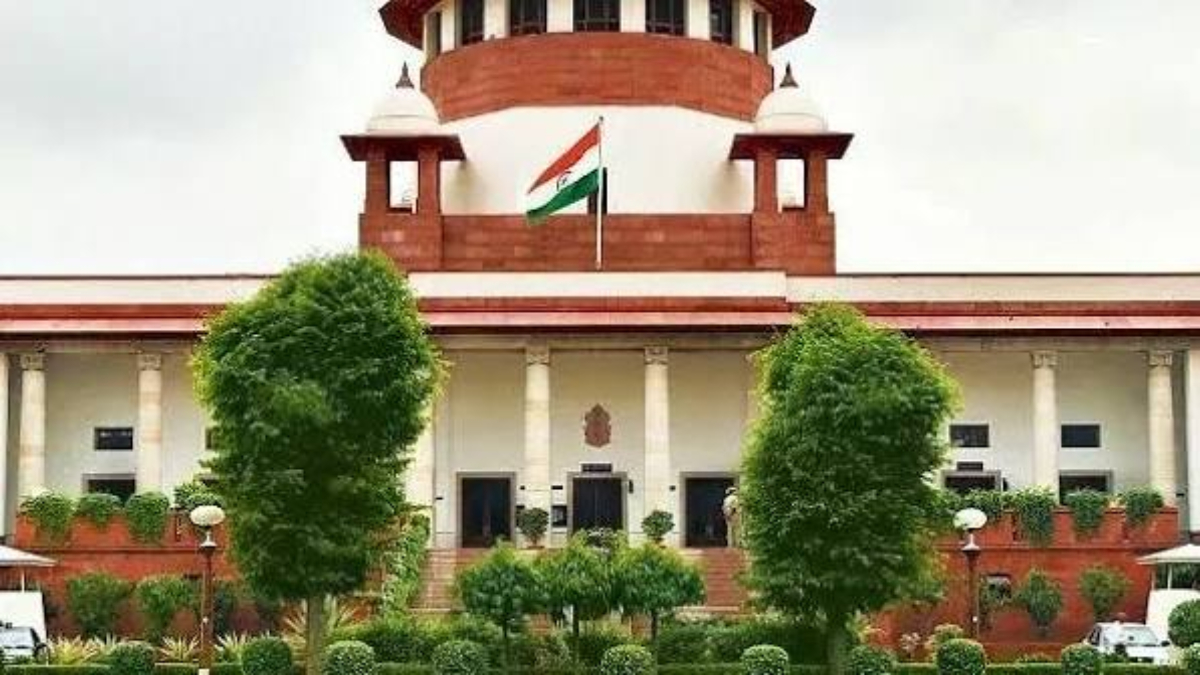
Assam NRC has reached another crucial stage after the Supreme Court sought responses from the Centre, the Assam government and other authorities on a petition seeking the implementation of pending procedures linked to the final National Register of Citizens. The court’s latest intervention has brought renewed attention to an exercise that was formally published in 2019 but remains incomplete in important legal and administrative respects.
Supreme Court seeks response on NRC appeals
The Supreme Court on July 21 issued notices on a petition filed by the Assam State Jamiat Ulama. The plea seeks directions to authorities to start the appeal process for people who were excluded from the final NRC.
A Bench comprising Chief Justice Surya Kant and Justices Joymalya Bagchi and Vipul M Pancholi heard the matter. During the hearing, the petitioner’s counsel submitted that although the law provides a mechanism for excluded persons to appeal, the process has not been initiated.
The counsel also told the court that people affected by the exclusion continue to face hardship because of the prolonged delay. The Bench subsequently issued notice and tagged the plea with another related petition already pending before the apex court.
What the Assam NRC petition seeks
The latest petition is not limited to the appeal mechanism. It also seeks directions for issuing national identity cards to people whose names were included in the final register.
The plea refers to Section 14A of the Citizenship Act, 1955, along with Rule 13 of the Citizenship (Registration of Citizens and Issue of National Identity Cards) Rules, 2003. These provisions form part of the legal framework cited by the petitioners in seeking identity documents for people included in the register.
The petition therefore highlights two pending aspects of the exercise: providing a formal identity document to those included and ensuring a functioning legal route for those left out.
Why the NRC process remains incomplete
The final updated NRC was published on August 31, 2019, following a process conducted under the supervision of the Supreme Court. Official figures show that 3,30,27,661 people applied for inclusion.
Of these, 3,11,21,004 people were included in the final register, while 19,06,657 were left out. The scale of the exercise made it one of the most significant citizenship-verification processes undertaken in the country.
However, publication of the final list did not bring the entire legal process to an end. The unresolved issues around appeals and identity cards have continued to keep the matter before the courts.
For those excluded, the appeal mechanism is particularly significant because exclusion from the register does not by itself settle the final question of citizenship. The legal framework provides avenues for challenging exclusion, making the operationalisation of that process an important part of the wider procedure.
Assam NRC remains a major legal issue
The latest Supreme Court proceedings underline the continuing legal importance of the register seven years after its publication. A recent legal analysis noted that two key post-publication steps — issuing identity cards to those included and beginning the appeal process for those excluded — have remained pending.
The issue also has wider administrative implications. The long delay has left questions over how the final register should be formally notified, how excluded applicants can pursue available remedies and how those included can receive the documents contemplated under the relevant rules.
The Supreme Court’s decision to seek responses from the Centre and Assam government does not mean that the court has ordered immediate implementation of the demands. Instead, the notices give the respondents an opportunity to explain their position before the matter proceeds further.
Centre and Assam government now face scrutiny
The responses from the Union government, Assam government and the State NRC Coordinator’s office could help clarify why the remaining procedures have not been operationalised and what steps, if any, are being considered.
The matter is also being heard alongside an existing petition concerning the unfinished aspects of the register. This could allow the Supreme Court to consider related questions together rather than dealing with separate proceedings in isolation.
For Assam, the proceedings are significant because the NRC has long been linked to questions of citizenship, documentation, migration and legal identity. Any future direction from the apex court could therefore have consequences for thousands of people directly affected by the pending procedures.
The latest hearing has once again placed the unfinished aspects of the NRC at the centre of judicial scrutiny. With responses now sought from the Centre and Assam, the next stage will depend on the explanations submitted by the authorities and the directions the Supreme Court may issue after considering them. For people included in the final register as well as those excluded from it, the proceedings could provide greater clarity on what remains to be done to complete the long-pending process.
Guwahati Independence Day Lights Up Iconic Landmarks in Grand Celebration