


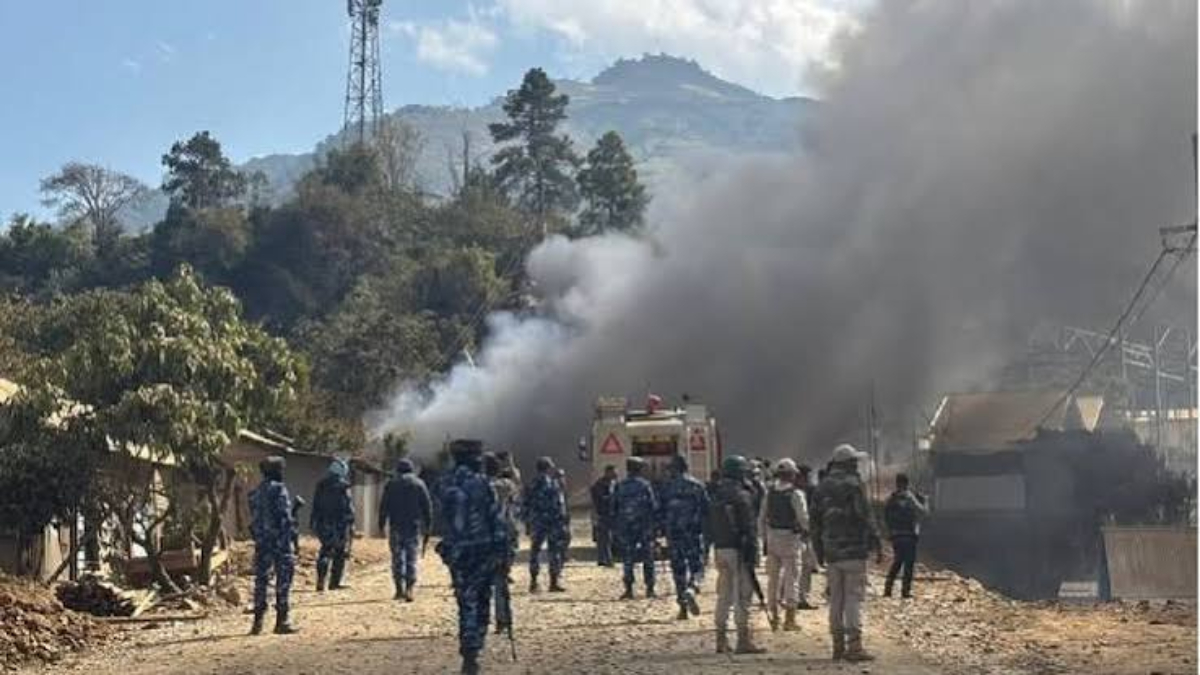
Ukhrul Kuki ultimatum has intensified tensions in Manipur after a Kuki civil society body issued a 48-hour deadline to the authorities, warning that a total shutdown will begin from August 5 if its demands are not addressed. The latest development comes amid continued concerns over the movement of essential commodities to Kuki-Zo inhabited areas, with the organisation accusing the administration of failing to ensure safe and uninterrupted transportation. The warning has raised fresh fears of disruptions in Ukhrul and nearby districts already affected by prolonged unrest.
What triggered the Ukhrul Kuki ultimatum?
The Working Committee of Kuki Civil Society Organisations (WCKCSOs)-Ukhrul announced the 48-hour ultimatum, alleging that vehicles transporting essential goods to Kuki-Zo areas continue to face obstruction, intimidation, and attacks despite repeated representations to the authorities. The committee stated that previous assurances from district administrations had failed to translate into effective action.
According to the organisation, repeated incidents involving supply vehicles have created shortages in several Kuki-Zo villages located in Ukhrul, Kamjong, and neighbouring areas. It claimed that drivers and transporters continue to face security concerns while moving essential commodities through key routes.
Shutdown warning from August 5
The Ukhrul Kuki ultimatum clearly states that if authorities fail to meet its demands within 48 hours, a total shutdown will be enforced from August 5. The proposed shutdown is expected to affect transport, markets, educational institutions, and other public services in areas under the committee’s influence.
The organisation has maintained that the proposed agitation is intended to pressure the administration into guaranteeing the safe movement of essential supplies. It has also urged residents to cooperate with the planned protest if the government does not take concrete action within the stipulated period.
Background of recent protests
The latest warning follows a series of protests and economic blockade announcements by the same organisation over the past few weeks. Earlier in July, the WCKCSOs threatened a counter-economic blockade after alleging that essential commodities bound for Kuki-Zo villages were being stopped or damaged during transit. The committee later suspended one phase of the blockade after discussions with government representatives but warned that stronger action would follow if the situation remained unchanged.
On July 27, the organisation also launched an indefinite counter-economic blockade on National Highway-202, describing it as a response to prolonged government inaction regarding uninterrupted supply routes. Emergency vehicles and security forces were exempted under specific conditions, while commercial transportation remained the primary focus of the protest.
Government yet to announce fresh measures
As of the latest reports, the Manipur administration has not publicly announced any new measures in response to the Ukhrul Kuki ultimatum. However, officials have previously held meetings with representatives of Kuki civil society groups to discuss the movement of essential commodities and efforts to prevent further disruptions.
Security agencies continue to monitor the situation closely, particularly along National Highway-202 and adjoining routes connecting hill districts. Any large-scale shutdown could impact the movement of goods and daily commuters while placing additional pressure on already strained supply chains.
Impact on local residents
Residents in the affected districts are closely watching developments, as another shutdown could disrupt access to food, fuel, medicines, and other daily necessities. Businesses, schools, and transport operators may also experience interruptions if the protest proceeds as announced.
The ongoing tensions highlight the continuing challenges faced by communities in Manipur, where disruptions to transportation and essential services have become recurring concerns since ethnic violence erupted in the state in 2023. Civil society groups have repeatedly called for stronger security arrangements and confidence-building measures to restore normalcy.
What happens next?
The next 48 hours are likely to be crucial as authorities attempt to prevent another major disruption in the region. If the concerns raised by the committee are addressed through administrative or security interventions, the planned shutdown could potentially be avoided. However, if no agreement is reached, the proposed protest from August 5 may further affect normal life in parts of Ukhrul and surrounding Kuki-Zo inhabited areas.
With tensions remaining high, both the administration and community leaders are expected to remain engaged in discussions aimed at ensuring safe transportation, maintaining public order, and preventing further escalation.