


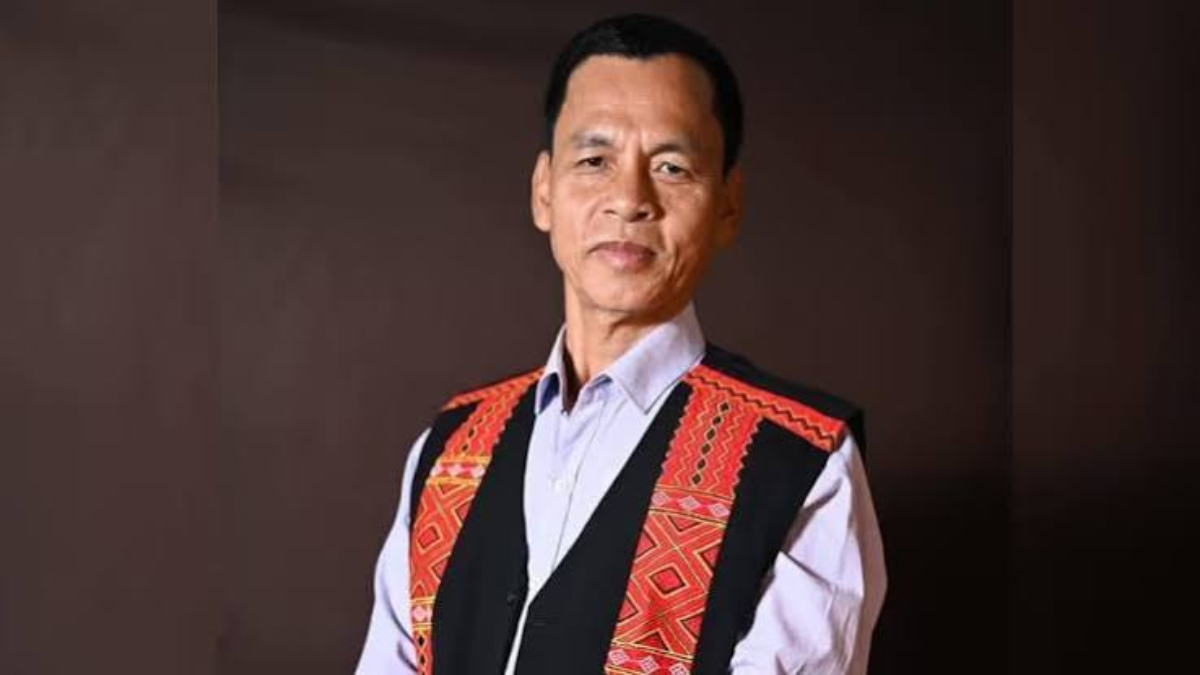
Ranjit Debbarma security withdrawal has emerged as a key issue in Tripura’s political landscape after the Tipra Motha Party legislator decided to withdraw his personal security over repeated changes in his personal security officers (PSOs). The reported decision has drawn attention to the arrangements made for the protection of elected representatives and the importance of maintaining consistency in security assignments. The development comes amid a series of political and administrative issues involving Tipra Motha and the Tripura government.
Why Ranjit Debbarma Wants to Withdraw His Security
The repeated replacement of personal security officers is understood to be the central reason behind the MLA’s decision. PSOs are assigned to provide protection to individuals who may face security threats because of their public responsibilities, political activities or other circumstances.
Frequent changes in personnel can affect coordination, familiarity and communication between a protected individual and the security team. For an elected representative who regularly interacts with constituents, attends public meetings and travels across different locations, continuity in security arrangements can be particularly important.
The Ranjit Debbarma security withdrawal issue therefore raises questions about the circumstances surrounding the repeated changes and whether a stable security arrangement could address the MLA’s concerns.
However, the precise number of PSO changes, the reasons provided by the authorities and the date on which the proposed withdrawal will take effect have not been independently established in the reports available for this article.
Who Is Ranjit Debbarma?
Ranjit Debbarma is a legislator representing the Tipra Motha Party, which plays a significant role in Tripura’s political affairs, particularly in matters concerning indigenous communities.
He has raised several issues involving the rights and interests of Tripura’s indigenous population. His political interventions have included demands relating to the implementation of the Tiprasa Accord, border management and the introduction of the Inner Line Permit system in the state.
In October 2026, Debbarma also urged Union Home Minister Amit Shah to introduce the Inner Line Permit system in Tripura, arguing that stronger measures were necessary to protect the state’s demographic balance and security.
His political activities have frequently focused on indigenous rights and administrative accountability. Against this background, the reported Ranjit Debbarma security withdrawal adds another development to the political discussions surrounding the Tipra Motha legislator.
Security Arrangements for Elected Representatives
Personal security arrangements for legislators are generally determined by the relevant authorities after considering available threat assessments and other applicable factors.
A personal security officer is expected to coordinate closely with the individual being protected, understand movement schedules and follow established security procedures. Changes in personnel may be necessary for administrative or operational reasons, but repeated replacements can create practical challenges.
In Debbarma’s case, the reported objection centres on the repeated changes in his assigned PSOs. The reasons behind those changes, however, remain unclear from the information independently available.
The Ranjit Debbarma security withdrawal development could prompt further questions about how security personnel are assigned to legislators and how concerns about continuity are addressed.
Any decision regarding the continuation or withdrawal of official protection would also need to be considered in light of the applicable security protocols and the authorities’ assessment of the situation.
Political Context Surrounding the Development
The issue comes at a time when Tipra Motha continues to be involved in important political discussions in Tripura. The party has maintained its focus on indigenous rights, implementation of the Tiprasa Accord and the protection of the interests of tribal communities.
The party has also raised concerns about the functioning of institutions and the treatment of its representatives. In August 2026, Tipra Motha legislators, including Ranjit Debbarma, objected to the listing of questions in the Tripura Legislative Assembly, alleging that their questions had repeatedly been placed towards the end of the list.
These developments form part of the broader political context in which the MLA operates. However, there is no independently verified evidence establishing a direct connection between the Assembly dispute and the reported decision concerning his personal security.
The Ranjit Debbarma security withdrawal issue should therefore be assessed on the specific circumstances surrounding the PSO changes rather than on assumptions about political disagreements.
What Happens Next?
The immediate question is whether the authorities will respond to the MLA’s concerns and clarify the circumstances behind the repeated changes in his security personnel.
Further information from Debbarma, the Tripura government or the police department would help establish the exact nature of his decision, the reasons for his dissatisfaction and whether any alternative security arrangements have been discussed.
It is also important to distinguish between an announced intention to withdraw security and a completed withdrawal. Until the relevant details are confirmed, the final status of his protection arrangements remains uncertain.
The reported Ranjit Debbarma security withdrawal could become an important administrative issue if it leads to further discussions about the management of security for elected representatives.
For now, attention remains on the MLA’s reported objection to repeated PSO changes and the response, if any, from the authorities. A clear explanation of the circumstances would help establish whether the matter can be resolved through administrative intervention or whether Debbarma will proceed with his stated decision.
Meghalaya Legal Services Authority Unveils Garo Language Mediation Film