


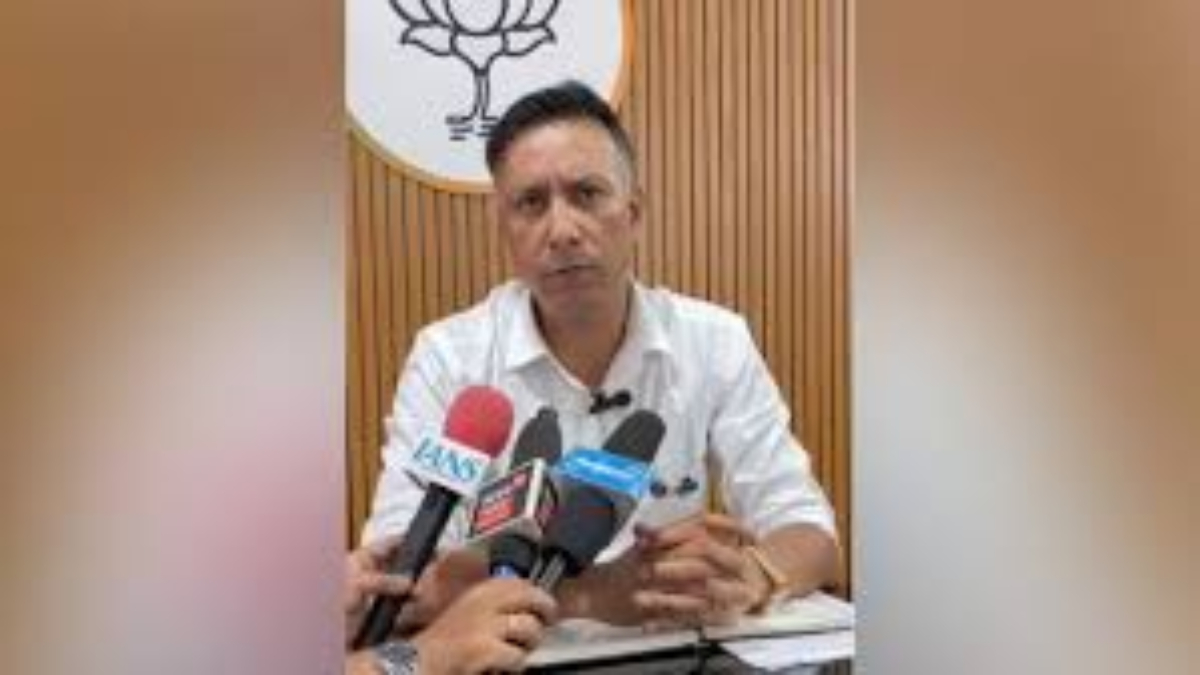
Sikkim AI permit system has received support from the state BJP, but the party has made it clear that any technology-driven permit mechanism must remain under government control and should not become a tool for imposing additional financial burdens on people. The BJP has also opposed any proposed increase in permit fees, stressing the need for a transparent and affordable system.
BJP supports Sikkim AI permit system
The Sikkim BJP’s position reflects a broader push for greater use of technology in public administration while retaining government oversight over sensitive regulatory processes. The party has backed the idea of using artificial intelligence to make permits faster, more transparent and easier to manage.
However, it has drawn a clear line on the question of control. The BJP wants the government to retain authority over the system rather than allowing private interests to exercise excessive influence over permit issuance, monitoring or fee collection.
The demand comes as Sikkim continues to expand digital governance. The state has already introduced online permit mechanisms in several areas, including vehicle movement and tourism-related permissions. The government has also been developing its broader artificial intelligence framework, with its draft AI policy stressing responsible, ethical and legally compliant use of AI.
Government control remains a key demand
For the BJP, digitisation alone is not enough. The party wants the proposed Sikkim AI permit system to operate within a clearly defined government framework.
Government control would, in practical terms, mean that key decisions on eligibility, approval, monitoring and fee structures remain accountable to state authorities. Such oversight could also help ensure that users have access to grievance mechanisms if an automated system makes an error.
The concern is particularly relevant because AI-based systems can automate large numbers of applications and decisions. While automation can reduce delays and paperwork, errors in digital databases or automated assessments can affect citizens and businesses unless there is an effective human review mechanism.
Sikkim already has experience with AI-based enforcement. Its Transport Department has used AI-driven traffic monitoring and e-challaning, while officials have highlighted automated monitoring as a way to improve compliance, reduce human error and increase transparency.
Why the BJP opposes a fee hike
The second major point raised by the BJP is the proposed increase in permit charges. The party has rejected a fee hike, arguing that introducing a technology-based system should not automatically translate into higher costs for citizens, visitors, transport operators or other users.
This demand comes against the backdrop of Sikkim’s efforts to strengthen revenue collection. The state’s 2024-25 budget had proposed revising tariffs, fees and user charges, while also announcing online permits for tourists visiting Tsomgo and Nathu La.
The government has since continued expanding digital permit services. Current official tourism information, for example, outlines permit procedures for motorbikes and Protected Area Permit requirements, including specific exemptions and payment procedures.
The BJP’s objection therefore places affordability at the centre of the debate. It is calling for technological modernisation without making access to permits more expensive.
Digital permits could improve transparency
A properly designed Sikkim AI permit system could offer several benefits. Online applications can reduce paperwork, shorten processing times and make it easier to track applications. Automated verification could also reduce repetitive administrative work and help authorities identify incomplete or inconsistent applications.
For a state with challenging terrain and a large tourism sector, faster digital services could be particularly useful. Sikkim has already used online systems for different categories of permits, showing that digital administration is becoming an increasingly important part of governance.
At the same time, the experience of AI-based traffic enforcement has demonstrated why safeguards are necessary. In April 2025, the Transport Department said an incorrectly generated challan had resulted from a rare technical problem and was reversed within seconds after the system’s automated checks identified the error.
Such incidents underline the importance of combining automation with human oversight.
Balancing technology and public interest
The BJP’s position essentially seeks a middle path: modern technology should be adopted, but the government must remain responsible for the system and users should not face unnecessary costs.
That approach could also strengthen public confidence in digital governance. Clear rules, transparent fee structures, accessible appeals and regular audits would help ensure that automation serves citizens rather than becoming an additional layer of bureaucracy.
The issue is also significant as Sikkim develops its wider AI ecosystem. The state’s draft AI policy recognises the growing role of artificial intelligence and calls for responsible and legally compliant deployment of AI systems.
The debate over permits therefore extends beyond a single administrative reform. It reflects a larger question about how Sikkim wants to use technology while protecting public accountability.
With the BJP supporting an AI-enabled permit mechanism but opposing higher charges and demanding government control, the focus is now likely to shift towards the structure, safeguards and implementation of the proposed system. For Sikkim, the challenge will be to ensure that digital transformation delivers faster and more transparent services without placing additional financial pressure on those who depend on permits.
Hornbill Festival Prep: Tourism Departments Begin Planning International Cultural Pavilions