

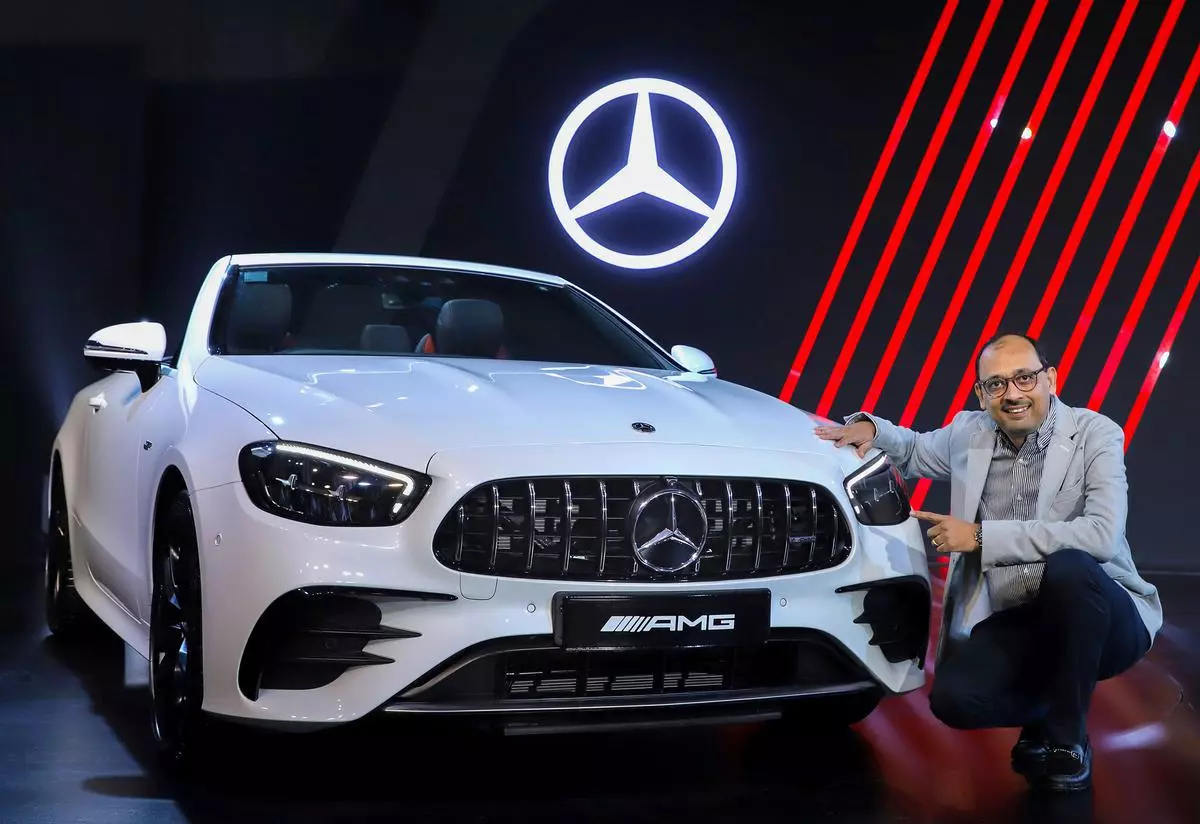
Mercedes-Benz India has announced a price hike of up to 3 percent on its entire vehicle range, set to take effect from January 1, 2025. The decision follows rising input costs, inflationary pressures, and higher operational expenses that have been weighing on the company’s operations. The price increase will range from Rs 2 lakh for the GLC model to Rs 9 lakh for the top-end Mercedes-Maybach S 680 luxury limousine.
The German luxury automaker has been grappling with the combined challenges of escalating material costs, fluctuating commodity prices, and increasing logistics expenses. In response, the company has absorbed these rising operational costs for the last three quarters, but the financial strain has become unsustainable, prompting the price adjustment.
Santosh Iyer, Managing Director and CEO of Mercedes-Benz India, explained that while the company has been focused on optimizing its operational costs and improving efficiency, these measures have not fully offset the increased costs. Iyer stated that, despite their best efforts, the company’s bottom line had been affected by the persistent rise in expenses.
The decision to implement a price correction is aimed at ensuring the continued sustainability of Mercedes-Benz’s business operations in India. This move will apply to all vehicles that are not currently in stock. Mercedes-Benz has also extended a price protection guarantee for all existing and future bookings made before December 31, 2024, meaning that customers who finalize their orders by then will not be impacted by the price hike.
This price revision comes amid broader inflationary trends that have affected various industries across the globe. The automotive sector, in particular, has faced unique challenges as manufacturers deal with rising raw material costs, including metals and electronic components, which are crucial to modern car production. Additionally, supply chain disruptions and increased demand for logistics have further compounded the issue, forcing many automakers to pass on some of these additional expenses to consumers.
Mercedes-Benz India has managed to maintain a strong market presence despite these challenges. The company has been focusing on offering high-quality luxury vehicles that cater to the growing demand for premium cars in the Indian market. The brand’s diverse portfolio, which includes models like the GLC and the Mercedes-Maybach S 680, continues to attract a wide range of buyers, from luxury enthusiasts to business executives seeking an exceptional driving experience.
The luxury car market in India has seen steady growth over the years, with affluent consumers increasingly inclined toward top-tier brands that offer advanced technology, superior design, and unmatched performance. Mercedes-Benz has positioned itself as one of the top players in this competitive segment, constantly evolving its product lineup to meet the demands of discerning buyers.
The upcoming price increase, though modest, reflects the broader trend in the automotive sector, where manufacturers are making adjustments to their pricing strategies due to inflationary pressures and rising costs. While some customers may feel the impact of the price hike, Mercedes-Benz has offered assurances by extending price protection for existing and future bookings, ensuring that buyers are not unduly affected by the changes if they act quickly.
Despite the necessary price adjustments, Mercedes-Benz India remains committed to its customers, offering them value through high-end features and a premium driving experience. As the Indian market continues to develop, Mercedes-Benz plans to continue to expand its offerings and strengthen its position as a leader in the luxury car segment.
The price increase set to take effect in January 2025 is likely to have ripple effects throughout the luxury automotive market. Consumers may explore alternatives from competing brands, but Mercedes-Benz’s reputation for delivering cutting-edge technology, luxury, and performance could help it retain a significant portion of its clientele. The company’s strategy of offering price protection to customers who place bookings before the price hike reflects its commitment to customer satisfaction, even amid rising operational costs.
Despite the challenges posed by the current economic environment, Mercedes-Benz India continues to see strong demand for its premium vehicles. The country’s growing affluent class and expanding middle class have contributed to the rising demand for luxury cars, with buyers increasingly willing to invest in high-end vehicles that offer a superior driving experience, advanced safety features, and state-of-the-art technology. The demand for Mercedes-Benz vehicles remains robust, thanks in part to the company’s ability to innovate and stay ahead of market trends.
In addition to offering a premium driving experience, Mercedes-Benz India has focused on sustainability. The company has been taking steps to align with India’s increasing emphasis on environmental sustainability and greener technologies. Its initiatives include the introduction of electric vehicles (EVs) and hybrid models, which cater to an emerging market for eco-friendly alternatives in the luxury segment. Mercedes-Benz India has already made significant strides with its EQ range, marking its commitment to reducing the carbon footprint and offering more sustainable options to Indian consumers.
Mercedes-Benz’s price adjustment also underscores the broader impact of inflation and supply chain disruptions that have affected many industries. The cost of raw materials, particularly metals such as steel and aluminum, has risen significantly, and the semiconductor shortage continues to create challenges for car manufacturers globally. As the company navigates these challenges, the price hike appears to be a necessary step to maintain its profitability and sustain its operations in India.
The Indian automotive industry, particularly in the luxury car segment, is expected to continue growing despite economic headwinds. This growth is driven by the increasing number of high-net-worth individuals, evolving tastes in luxury, and greater access to financing options. However, the market remains highly competitive, with several other global and domestic brands vying for a share of the pie. As a result, Mercedes-Benz’s ability to offer a superior product and customer experience remains crucial to maintaining its leadership in the market.
Looking ahead, the company’s focus will likely shift toward expanding its portfolio to cater to new customer preferences. With the ongoing rise in electric mobility and the push for cleaner alternatives, Mercedes-Benz India is expected to continue prioritizing innovation in its offerings. As the Indian government continues to offer incentives for the adoption of electric vehicles and other green technologies, Mercedes-Benz is well-positioned to capitalize on these changes with its commitment to sustainability and luxury.